


 Trump Confirms US Intelligence Sharing With Ukraine Amid Russian Strikes
  US Justice Department Drops Prosecution of Ex-CIA Analyst Sue Mi Terry
  Zelenskiy Says Ukraine Received No Warning Before Russian Missile Attack
  SpaceX Starlink Restrictions Disrupt Ukraine Military Operations
  Italy’s Meloni Warns US-Russia Diesel Deal Could Weaken Ukraine Sanctions
  US Senate Midterms 2026: Key Races That Could Flip Control
  Zelenskiy Seeks New US Talks to Revive Ukraine-Russia Peace Negotiations
  US Supreme Court Denies Release of Anti-ICE Activist Kyle Wagner
  Gaza Olive Harvest Collapses as War Destroys Farmland
  Elon Musk Donates $366 Million to 2026 US Midterms
  Netanyahu Rejects Preemptive Iran Strike Ahead of Israel Election
  Most Americans Oppose Election Betting on Prediction Markets, Poll Finds
  Trump Denies China, Russia Are Helping Iran in War
  IMF Warns US Debt Crisis Needs Fiscal Action, Urges China to Boost Consumption
  Trump Announces Massive Oil and Mineral Exploration Plans in Greenland
  Jordan Bardella Antisemitism Allegations Threaten Le Pen’s Campaign
  Zelenskiy Says Trump’s Support for Russia Is ‘Painful’


 Add as a preferred source on Google
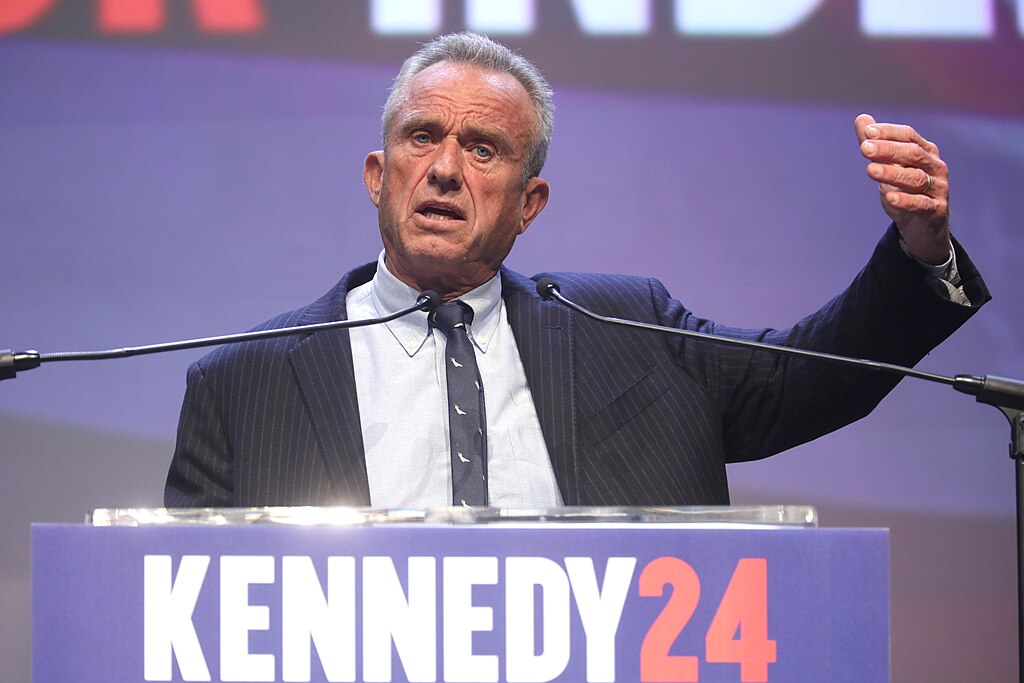
Robert F. Kennedy Jr., a prominent advocate for public health reform, has announced a groundbreaking initiative that could shape the first day of Donald Trump’s presidency. Speaking at a recent event, Kennedy revealed plans to declare a national emergency aimed at tackling the chronic disease epidemic. He likened the approach to the swift and sweeping measures taken during the COVID-19 pandemic, but this time focusing on addressing long-standing health crises impacting millions of Americans.
Kennedy emphasized the urgency of the issue, stating that the United States cannot continue to ignore the rise in chronic illnesses such as diabetes, heart disease, and autoimmune disorders. “This is a public health emergency we can no longer afford to overlook,” he asserted.
Under the proposed plan, the administration would target key environmental and dietary contributors to chronic disease. Central to this strategy is the removal of fluoride from public water systems and a crackdown on harmful chemicals found in everyday food products.
Tackling the Chemicals in Everyday Life
The declaration of a national emergency would be coupled with sweeping regulatory reforms. Kennedy underscored the importance of reducing Americans’ exposure to potentially harmful substances, which he claims are contributing to skyrocketing rates of chronic illness.
“We’re going to get the fluoride out of the water. We’re gonna get the chemicals out of the food,” Kennedy announced, pointing to studies linking these substances to long-term health issues.
Critics, however, have questioned the feasibility of such an ambitious plan. Public health officials argue that fluoride, for instance, has been shown to reduce tooth decay and is considered safe in regulated amounts. Kennedy, however, maintains that the risks outweigh the benefits and that alternatives exist to achieve the same goals without jeopardizing public health.
A Divisive Proposal Sparks Online Reactions
The announcement has ignited fierce debate on social media, with supporters and skeptics voicing their opinions.
- @HealthForAll: “Finally, someone is taking chronic disease seriously. This could save countless lives if implemented properly.”
- @FluorideFacts: “Kennedy’s stance on fluoride is completely unscientific. This could undo decades of progress in public health.”
- @WellnessFirst: “Removing harmful chemicals from food should’ve been done ages ago. Kennedy is right to push for this.”
- @SkepticCitizen: “Declaring an emergency sounds great, but will it actually lead to meaningful change? Color me doubtful.”
- @GreenFutureUSA: “Kennedy’s plan could be the wake-up call America needs. Chronic disease IS an emergency!”
- @ScienceMatters: “Where’s the data? Sweeping declarations like this need solid science behind them, not fearmongering.”
Challenges and Opportunities for Reform
While Kennedy’s proposal has sparked enthusiasm among health advocates, implementing such a program presents numerous challenges. Regulatory agencies would need to coordinate extensively with local governments, industries, and public health organizations to enact the changes. Additionally, significant funding would be required to research and replace existing substances deemed harmful.
Despite the obstacles, Kennedy’s announcement has shone a spotlight on a critical issue often overshadowed by other policy debates. As Americans grapple with rising healthcare costs and declining health outcomes, his plan may serve as a rallying point for meaningful reform.







