


 China Warns Taiwan Over South China Sea Coast Guard Incident
  SpaceX Starlink Restrictions Disrupt Ukraine Military Operations
  Jordan Bardella Antisemitism Allegations Threaten Le Pen’s Campaign
  MI5 Warns of Rising Iran, Russia Threats and AI Bioweapon Risks
  Elon Musk Donates $366 Million to 2026 US Midterms
  FBI Denies Report of Kash Patel’s Russia Visit
  US Justice Department Drops Prosecution of Ex-CIA Analyst Sue Mi Terry
  US Recalls Nicaragua Envoy After Ambassador Rejection
  IMF Warns US Debt Crisis Needs Fiscal Action, Urges China to Boost Consumption
  Trump Confirms US Intelligence Sharing With Ukraine Amid Russian Strikes
  UN Urges Talks on Lebanon Peacekeeping Mission Extension
  Italy’s Meloni Warns US-Russia Diesel Deal Could Weaken Ukraine Sanctions
  Trump Announces Massive Oil and Mineral Exploration Plans in Greenland
  Netanyahu Rejects Preemptive Iran Strike Ahead of Israel Election
  Gaza Olive Harvest Collapses as War Destroys Farmland
  China Resumes US Soybean Purchases After Trump-Xi Summit
  Zelenskiy Says Trump’s Support for Russia Is ‘Painful’


 Add as a preferred source on Google
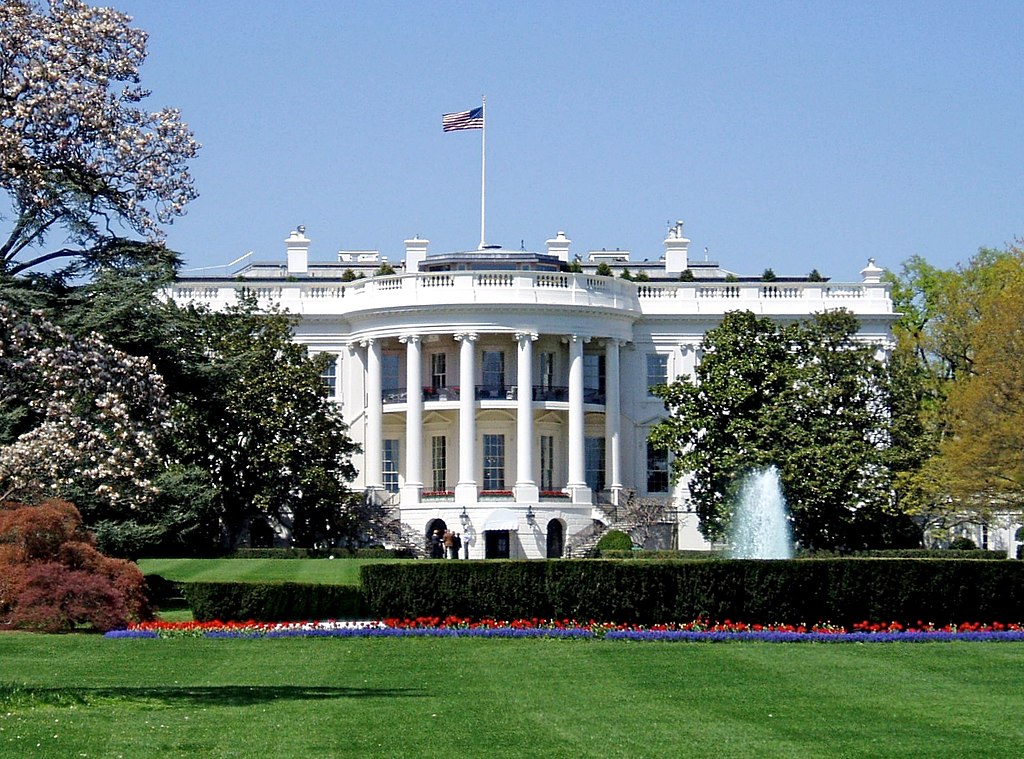
The White House has announced an unprecedented $50 billion loan package for Ukraine, marking one of the most significant financial commitments in U.S. history to aid a foreign nation in crisis. The loan, part of a broader strategy to support Ukraine's defense and economic stability, comes as the country continues to resist Russia’s ongoing invasion.
The announcement was met with mixed reactions, drawing both praise for bolstering a key ally and criticism over the financial burden placed on American taxpayers during challenging economic times. The Biden administration insists the package is a necessary investment in global security and democracy.
A Lifeline for Ukraine's War-Torn Economy
The $50 billion loan will be allocated across multiple sectors to ensure Ukraine’s survival and eventual recovery. A significant portion is earmarked for military support, including advanced weaponry, logistics, and training. Additionally, funds will target rebuilding critical infrastructure, such as roads, hospitals, and power plants, many of which have been destroyed by Russian attacks.
“This loan isn’t just about defense,” said a senior White House official. “It’s about ensuring Ukraine can sustain itself economically and emerge stronger post-conflict.”
The package also includes provisions for agricultural subsidies, aimed at preserving Ukraine’s role as a global breadbasket. This move is expected to stabilize food supply chains impacted by the war, which has disrupted exports of wheat, corn, and sunflower oil.
Mixed Reactions at Home and Abroad
While the White House has framed the loan as essential for defending democracy, critics have raised concerns about its long-term implications. Lawmakers on both sides of the aisle are questioning whether the U.S. should shoulder such a significant financial responsibility, particularly as Americans face inflation and rising living costs.
Online, the debate has been just as heated:
- @JusticeForAll: “$50B for Ukraine? What about our homeless veterans? Prioritize Americans first!”
- @GlobalUnityNow: “Proud to see the U.S. standing up for democracy. This is money well spent!”
- @DebtConscious: “Another loan we’ll never see repaid. How many more billions before enough is enough?”
- @UkraineStrong: “This funding could save lives and rebuild a nation. Stop being selfish, America!”
- @TaxpayerVoice: “Why are we the world’s piggy bank? Europe should step up!”
- @HumanRightsAdvocate: “If we abandon Ukraine, we abandon freedom. This is what leadership looks like.”
Meanwhile, European leaders have expressed gratitude for the U.S.’s continued leadership, but some have faced domestic pressures to increase their contributions to Ukraine’s defense and reconstruction.
The Road Ahead
The White House’s decision underscores the U.S.’s long-term commitment to Ukraine, but the question remains: at what cost? Critics argue the financial burden could strain domestic programs, while supporters claim the loan is a necessary step to curb Russian aggression and stabilize global security. Congress will soon deliberate on the package’s details, a process likely to ignite further partisan debates.







