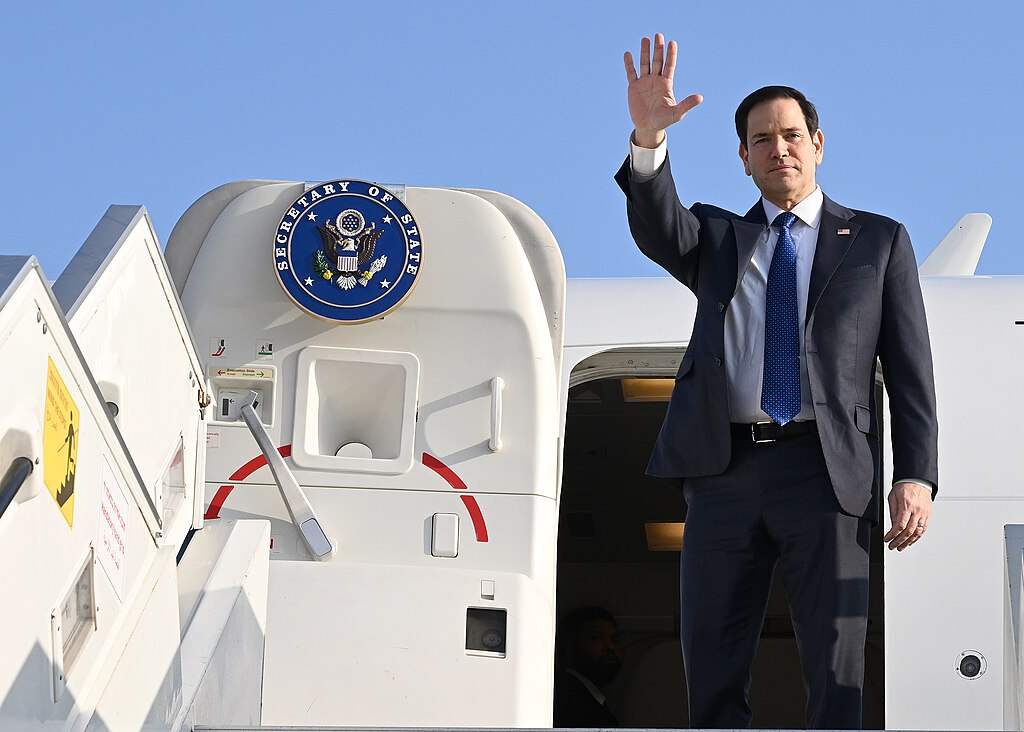
U.S. Secretary of State Marco Rubio has defended recent American military strikes in the Caribbean following criticism from European allies over their legality. Speaking after the G7 foreign ministers’ meeting in Canada, Rubio rejected claims that the strikes violated international law, asserting that “Europe doesn’t get to dictate how the United States defends its national security.”
The controversy stems from at least 19 U.S. strikes targeting suspected drug-smuggling vessels in the Caribbean and Pacific waters off Latin America. The Trump administration claims these operations are aimed at “narco-terrorists,” though it has not released public evidence or a detailed legal justification. Reports indicate the strikes have killed at least 76 people.
French Foreign Minister Jean-Noel Barrot labeled the attacks a breach of international law, raising concerns about their proximity to French territories. EU foreign policy chief Kaja Kallas added that such actions could only be justified through self-defense or authorization by the U.N. Security Council. In response, Rubio insisted the U.S. actions comply with Article 51 of the U.N. Charter, which allows self-defense measures against armed attacks.
Despite reports that Britain suspended intelligence sharing over the issue, Rubio called those claims false, emphasizing continued strong cooperation between Washington and London. Meanwhile, Colombia’s President Gustavo Petro announced the suspension of intelligence cooperation with the U.S. until the strikes cease.
During the G7 meeting, discussions also centered on Ukraine. Ukrainian Foreign Minister Andrii Sybiha urged allies to increase pressure on Moscow and strengthen Kyiv’s defenses. The ministers issued a joint statement calling for a ceasefire and pledging tougher sanctions on Russia and entities aiding its war efforts.
Rubio reaffirmed Washington’s stance that Russia shows no real interest in peace, while Canada and other allies announced new sanctions targeting Russia’s drone and energy sectors.