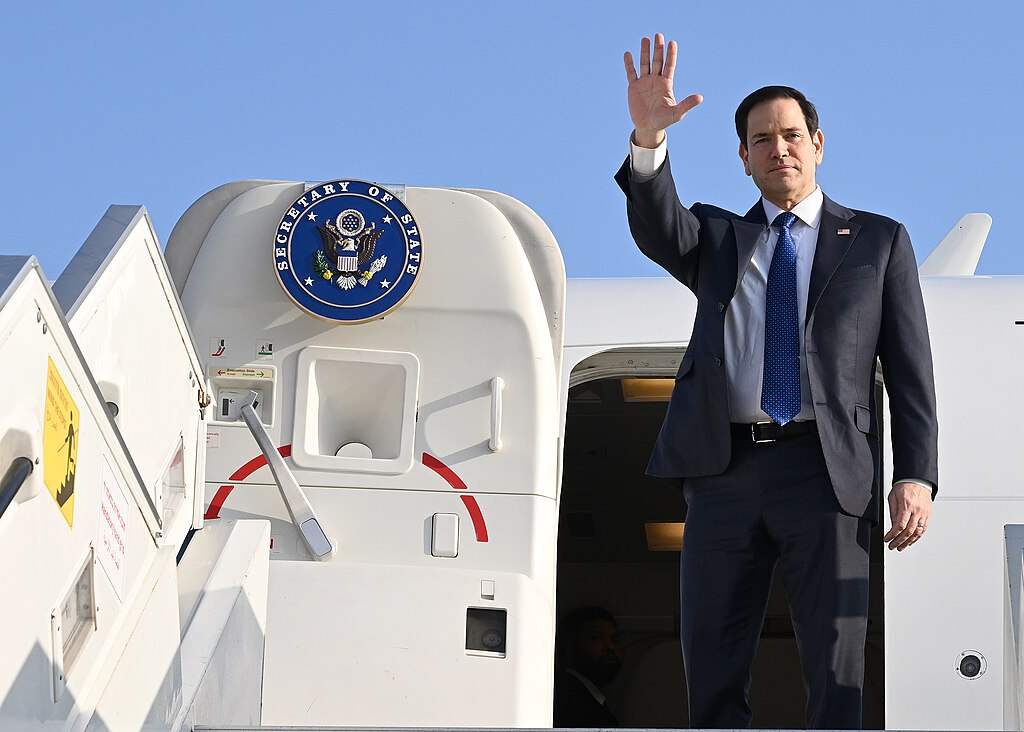
U.S. Secretary of State Marco Rubio spoke with Chinese Foreign Minister Wang Yi on Wednesday, continuing discussions they began in Malaysia earlier this year. According to State Department deputy spokesperson Tommy Pigott, Rubio stressed the importance of open, constructive dialogue on bilateral, regional, and global issues.
The two diplomats previously met in July on the sidelines of the ASEAN Regional Forum in Kuala Lumpur, describing the talks as positive despite escalating U.S.-China trade disputes. At the time, Rubio suggested the likelihood of a meeting between President Donald Trump and Chinese President Xi Jinping was high.
China’s foreign ministry said the latest conversation was “timely, necessary and fruitful.” However, Wang Yi criticized recent U.S. actions, saying they undermined China’s interests and interfered in domestic affairs. He emphasized that Washington should proceed cautiously on sensitive matters, particularly Taiwan.
Trade tensions remain central to U.S.-China relations. Since Trump’s return to the White House, sweeping tariffs have intensified global trade frictions, pressuring China’s export-driven economy. Both nations have engaged in repeated tariff escalations, though a 90-day truce was extended in August to delay additional duties.
Meanwhile, Trump urged European Union officials this week to impose tariffs of up to 100% on Chinese goods. According to U.S. and EU officials, the move is part of a broader strategy to pressure Russian President Vladimir Putin. China and India, as key buyers of Russian oil, play a significant role in sustaining Russia’s economy during its ongoing war in Ukraine.
The renewed dialogue between Rubio and Wang underscores fragile efforts to stabilize U.S.-China relations, even as trade disputes, geopolitical rivalries, and global energy politics continue to complicate diplomacy.