


 Crypto Market Selloff Wipes Out $100B as Bitcoin Falls Below $83K
  Wall Street Falls as Oil Prices Rise and Tech Stocks Slide
  UK Economy Sees Marginal Growth Amid Tax Hikes and Business Caution
  Evernorth Nasdaq Listing Nears as XRP Price Falls
  Asian Currencies Mixed as Yen Weakens, Dollar Holds Firm
  Bitcoin Rebounds to $82K as Trump Eases Iran War Fears
  Ethereum Price Drops Below $2,600 as Long Liquidations Hit 4-Month High
  UK Markets Face Rising Volatility as Hedge Funds Target Pound and Gilts
  Cardano Price Eyes $0.30 as ADA Whale Activity Surges
  Iran Refuses to Halt Uranium Enrichment Amid US Nuclear Demands
  Oil Prices Rise as Hormuz Risks Offset IEA Stock Release
  US, EU Push for Action Against Asia’s Excess Factory Capacity
  Fed Minutes Signal Another Rate Hike by Year-End
  Solana Targets 200ms Block Time in Major Network Upgrade
  XRP Holds Steady at $1.39 as Crypto Market Faces Heavy Liquidations


 Add as a preferred source on Google
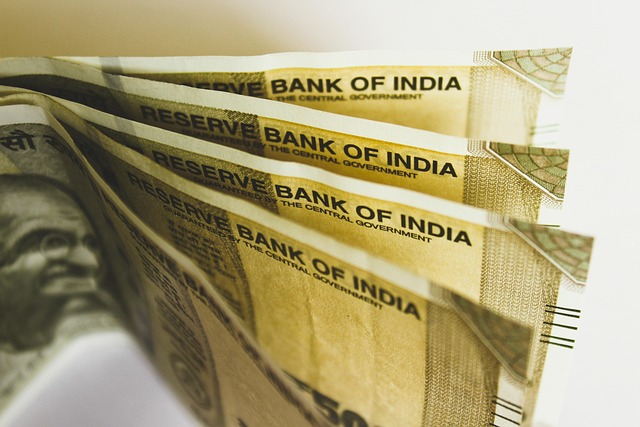
The Indian rupee edged lower on Friday, trading at 86.5850 against the U.S. dollar by 09:55 a.m. IST, compared to its previous close of 86.55. The slight dip was driven by heightened dollar demand due to the maturity of positions in the non-deliverable forwards (NDF) market. However, likely intervention by the Reserve Bank of India (RBI) mitigated further losses.
Earlier, the rupee was quoted at 86.63 on the interbank system before the local spot market opened. Traders noted that RBI's intervention helped stabilize the currency despite ongoing pressure. Strong dollar bids at the daily reference rate, last quoted at a 0.65/0.90 paisa premium, contributed to rupee weakness, according to a foreign bank trader.
The rupee's decline came even as the dollar index softened to 109, marking its fourth consecutive session of losses, and U.S. Treasury yields fell. The 10-year U.S. Treasury yield stood near 4.60% in Asia trading after dipping 5 basis points in the previous session. Yields eased following comments from Federal Reserve Governor Christopher Waller, who suggested three or four rate cuts this year could occur if economic data weakens.
Despite a softer dollar and declining U.S. yields, the rupee faced pressure from strong NDF maturity-driven dollar demand. Amit Pabari, managing director at CR Forex, predicted the rupee will trade within a volatile range of 86.20 to 86.80 in the near term.
Investors are now focused on U.S. President-elect Donald Trump’s upcoming inauguration and potential policy announcements, which could influence global markets and currency trends.







