


 Mexico Bars Dual Citizens From Presidential Races Starting in 2028
  Marco Rubio Warns Russia-Ukraine War Could Spark Wider Conflict
  Venezuela’s Machado Calls for Elections by July 2027
  US, Greece Launch New Counterterrorism Security Program
  Zelenskiy Slams US Over Deadly Russian Strikes on Ukraine
  Trump Buys Up to $25M in Meta Stock, Invests in SpaceX Debt
  Italy Approves Electoral Reform Ahead of 2027 Election
  Berlin Coalition Talks Advance After Left Party Antisemitism Deal
  US Suspends Microsoft, Adobe From Green Card Program
  Tsai Warns of China’s Sustained Pressure on Taiwan
  Trump Says He Deserves 2026 Nobel Peace Prize Despite Uncertain Chances
  Saudi Arabia Probes Flydubai Cockpit Attack
  US-Taiwan Ties Remain Strong as Taipei Urges Timely Arms Deliveries
  Trump Rallies in Texas as Republicans Face Tight Midterm Races
  Saudi Airport Attacks Kill Three as Yemen Fighting Escalates
  EU Rejects Italy, Greece Calls for Fiscal Rule Flexibility
  Pentagon Orders Iran Strike Preparations as Trump Weighs Military Action


 Add as a preferred source on Google
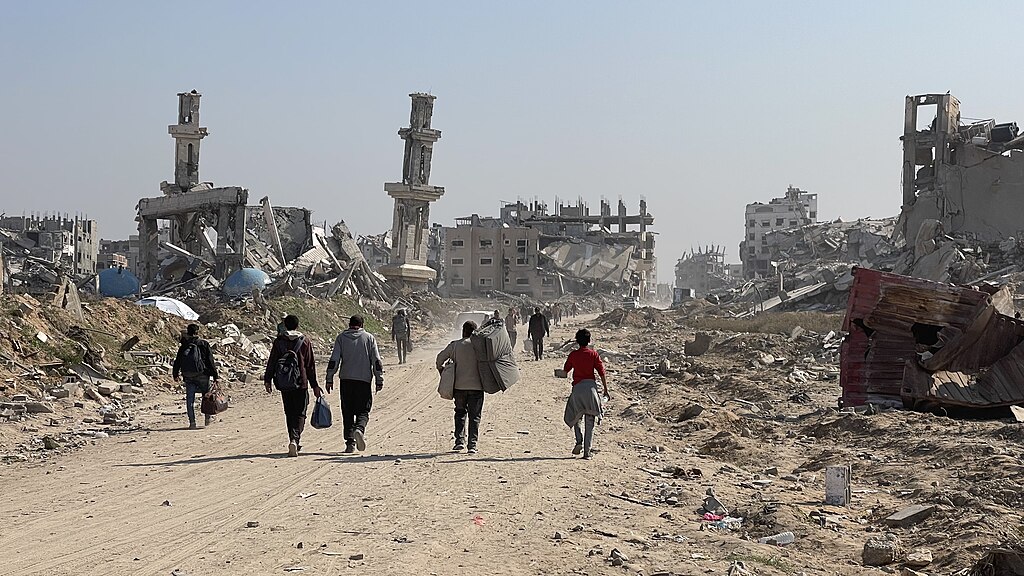
Russia has introduced its own draft resolution on Gaza at the United Nations Security Council, directly challenging a U.S. proposal aimed at endorsing President Donald Trump’s Gaza peace plan. The move, confirmed through documents reviewed by Reuters, highlights intensifying diplomatic friction as global powers debate the path toward stabilizing the region.
The United States circulated its draft last week, seeking backing for a resolution that would approve a two-year mandate for a transitional governing body in Gaza and authorize an international stabilization force. According to U.S. officials, the proposal has already garnered support from regional partners, and Washington is urging the Security Council to move quickly. U.S. representatives warned that delaying approval could jeopardize the fragile ceasefire and undermine efforts to secure lasting peace for Palestinians in Gaza.
In response, Russia’s U.N. mission sent a note to Council members stating that its counter-proposal is “inspired by the U.S. draft” but aims to establish a more balanced approach. The Russian version calls for the U.N. Secretary-General to outline possible options for an international stabilization force but omits the “Board of Peace,” the U.S.–proposed transitional administration for Gaza. Moscow argues its draft will help the Security Council adopt a unified strategy focused on achieving a sustainable halt in hostilities.
The debate unfolds as Israel and Hamas continue implementing the first phase of Trump’s 20-point Gaza plan, which includes a hostage-release agreement and outlines steps toward longer-term governance arrangements. Although President Trump has ruled out deploying American troops to Gaza, U.S. officials have discussed a potential 20,000-strong international force. Countries such as Indonesia, Egypt, Qatar, the UAE, Turkey, and Azerbaijan have been approached to contribute to this mission.
As both the U.S. and Russia push for support of their competing resolutions, the Security Council faces mounting pressure to adopt a unified stance that could shape the next phase of Gaza’s future.







