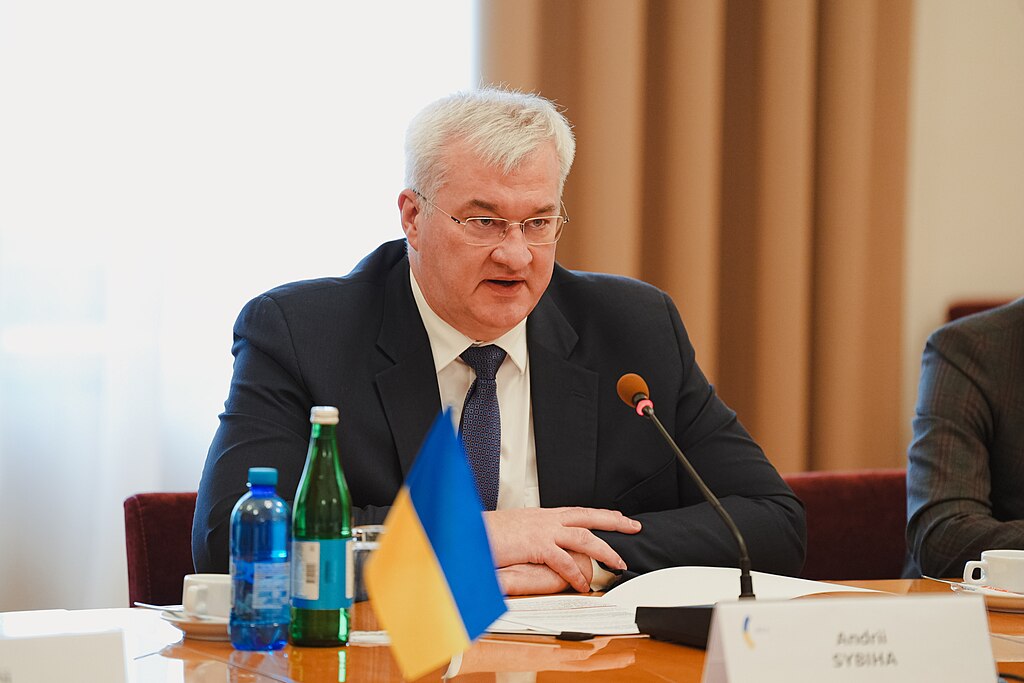
Russia has reportedly deployed the ground-launched 9M729 cruise missile—once at the center of a major arms control dispute with the United States—against Ukraine, according to Ukraine’s foreign minister Andrii Sybiha. This marks the first confirmed combat use of the weapon, whose development led former U.S. President Donald Trump to withdraw from the Intermediate-Range Nuclear Forces (INF) Treaty in 2019.
Ukrainian officials told Reuters that Russia has fired the 9M729 missile at Ukraine 23 times since August, with two additional launches recorded in 2022. The missile, capable of carrying either nuclear or conventional warheads, has an estimated range of up to 2,500 kilometers—far exceeding the 500 km limit imposed by the INF Treaty. One missile reportedly traveled 1,200 km before striking its target in western Ukraine.
Sybiha condemned Russia’s actions as a direct challenge to U.S. diplomacy, asserting that President Vladimir Putin’s use of the banned weapon undermines international security. Kyiv expressed support for Trump’s proposed peace initiatives but urged Washington to strengthen Ukraine’s long-range strike capabilities, including potential access to Tomahawk missiles. Moscow has warned that such a move would escalate tensions.
Military analysts suggest Russia’s deployment of the 9M729 expands its long-range strike options, enabling it to target Ukraine and potentially European countries. Experts like William Alberque and Douglas Barrie note that the missile’s mobility allows launches from deep within Russian territory, complicating defense efforts and demonstrating Russia’s intent to pressure both Kyiv and the West.
Evidence from missile debris in Ukraine—including fragments labeled “9M729”—supports claims of the weapon’s use. Analysts at Middlebury College verified the markings and structural components as consistent with the 9M729 design.
Russia’s renewed use of INF-range missiles signals a growing threat to European security, reinforcing global fears that Moscow is testing banned technologies under real combat conditions.