


 Japan, US Target AI and Chips in $550 Billion Investment Push
  Iran’s Hormuz Oil Pressure Fades as Gulf Crude Flows Continue
  SEC Proposes ‘Regulation Crypto Assets’ Framework for Crypto Fundraising
  South Korea, US Discuss Chip Investments Amid Tariff Plans
  Texas Republicans Turn Against AI Data Centers as Election Backlash Grows
  FAA to Pause Reagan National Airport Flights for Freedom 250 IndyCar Race
  U.S. Issues Cuba Health Alert as Illnesses Rise
  US Sailor’s Father Detained by Immigration Authorities
  Australia, US Move to Expand Defence Ties in Indo-Pacific
  Countries Tighten Social Media Bans for Children
  US Investigates Deadly Strike on Iranian Wedding
  Trump Imposes New US Tariffs on Drone Imports Over National Security Concerns
  Google Changes EU Spam Policy Amid Antitrust Scrutiny
  US Revokes Over 175,000 Visas Under Trump Immigration Crackdown
  U.S. Probes Apex Logistics Over Nvidia AI Chip Shipments to China
  Costa Rica President Backs Potential US Ground Operations


 Add as a preferred source on Google
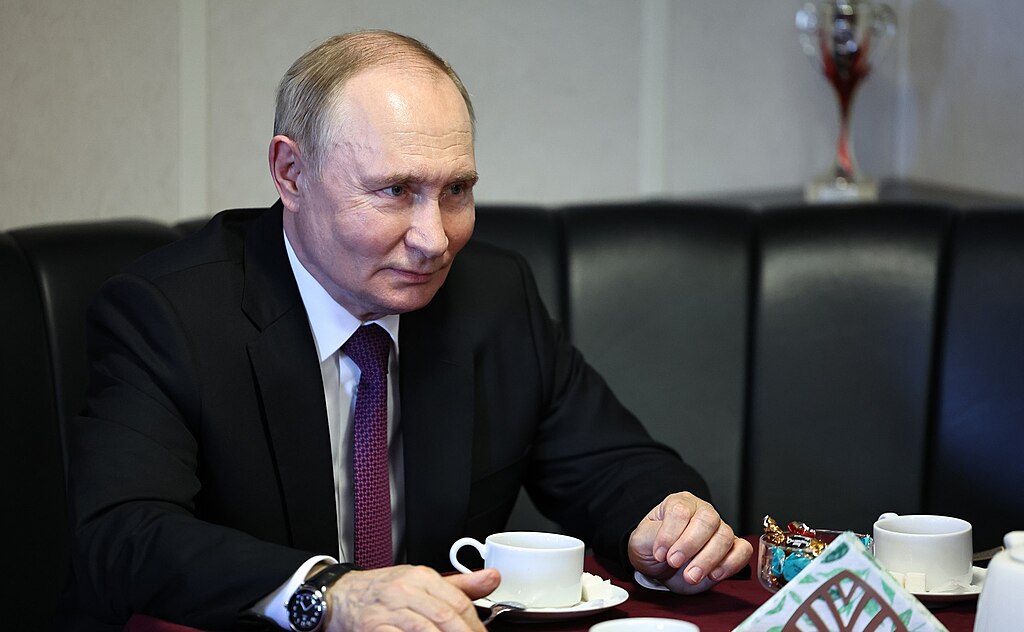
Russia has approved a new long-term national policy strategy calling for a significant strengthening of Russian identity and language use, particularly in Ukrainian territories annexed since the 2022 invasion. The document, signed by President Vladimir Putin and titled “Strategy of Russia’s National Policy in the Period to 2036,” outlines measures aimed at ensuring that at least 95% of the population within Russia— including the occupied regions of Donetsk, Luhansk, Kherson, and Zaporizhzhia — identify as Russian by 2036.
The Kremlin argues that gaining control over these eastern regions has “created conditions for restoring the unity of the historical territories of the Russian state.” The strategy calls for deeper entrenchment of the Russian language, expanded cultural influence, and stronger efforts to counter what Moscow describes as attempts by “unfriendly foreign states” to destabilize inter-ethnic relations. Putin has for years questioned Ukraine’s distinct national identity, often portraying Russia and Ukraine as historically intertwined.
Russia’s justification for the 2022 invasion centered on claims of protecting Russian-speakers and combating alleged discrimination, though Kyiv has repeatedly denied such accusations. Since Ukrainian independence in 1991, Ukrainian has been the country’s sole official language. Following the invasion, public sentiment toward Russia has sharply deteriorated, and surveys show a significant decline in the use of Russian across Ukraine.
Meanwhile, Ukrainian President Volodymyr Zelenskiy said Kyiv is prepared to move forward with a U.S.-supported peace initiative aimed at ending Europe’s deadliest conflict since World War II. However, Ukrainian officials remain cautious, wary that any diplomatic resolution could pressure Kyiv into accepting territorial losses or other terms favorable to Moscow.
As fighting continues and political narratives harden, Russia’s new policy framework signals its intention to formalize long-term control and influence over the annexed regions. The decree will take effect in January, with progress measured by tracking civic self-identification and cultural integration across the population.







