The Ukrainian military intelligence service said that two opposition Russian paramilitary groups were responsible for the incursion in Russia’s Belgorod region. This follows Moscow’s accusation that Ukrainian saboteurs were responsible.
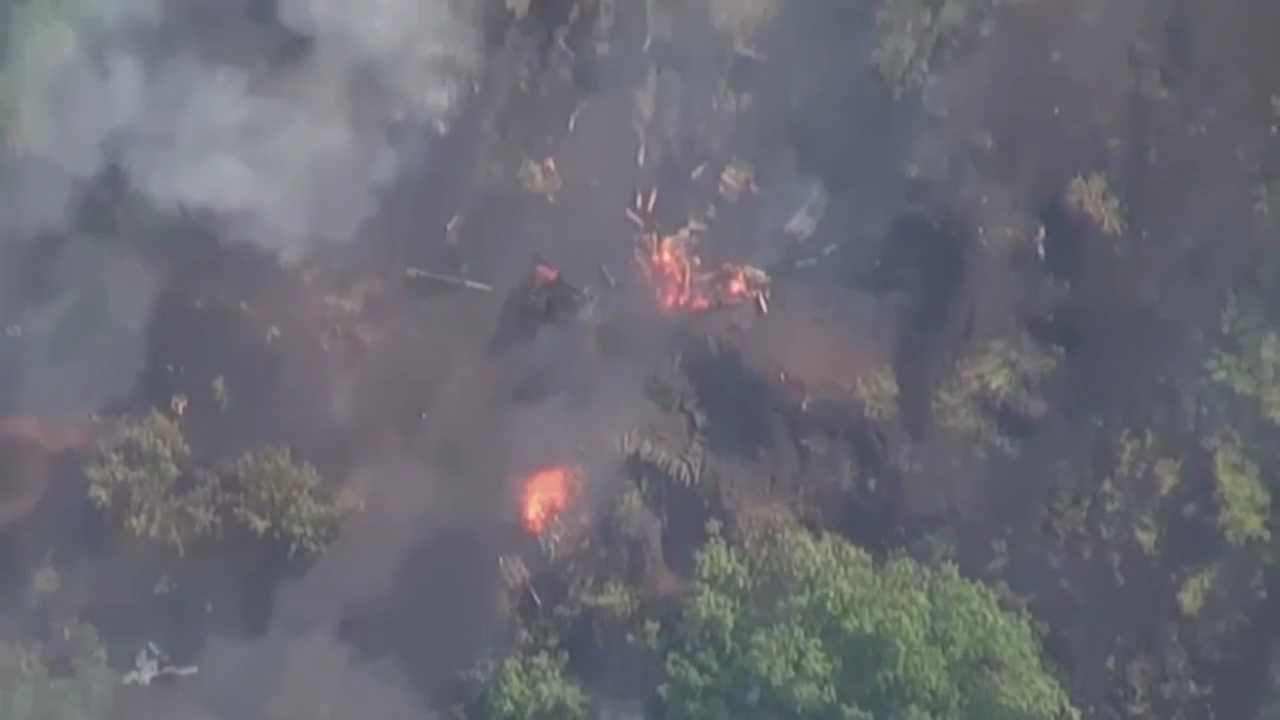
On Monday, the Ukrainian military intelligence said that the incursion in Russia’s Belgorod region was done by two paramilitary groups made up of Russians opposed to Moscow’s invasion of Ukraine, according to Ukrainian news outlet Hromadske. This follows the accusation by Belgorod governor Vyacheslav Gladkov, who said that a group of Ukrainian saboteurs carried out an armed operation in the border region in the district of Graivoron.
Ukrainian military intelligence spokesperson Andriy Yusov said that two “opposition-minded” Russian paramilitary groups, the Freedom of Russia Legion and the Russian Volunteer Corps, were responsible for the incursion, according to Hromadske.
“Responsibility for these events was taken by citizens, particularly the RDK and the Freedom of Russia Legion,” said Yusov, referring to the acronym of the Russian Volunteer Corps. “I think we can all only welcome the decisive actions of opposition-minded Russian citizens, who are ready for an armed struggle against the criminal regime of Vladimir Putin.”
Yusov said the incursion in Belgorod would create a “security zone” to protect Ukrainians from cross-border attacks by Russia.
The clashes in Belgorod also come at a time when Russia claims that it has captured Bakhmut, while Ukraine has denied the assertion.
The British defense ministry said in its intelligence bulletin on Tuesday that the clashes in Belgorod from May 19 to May 22 were between Russian security services and partisans, noting how the anti-Kremlin groups claimed responsibility. The ministry said that the most serious clashes between the two sides were in Graivoran, noting the increase in drone or indirect attacks near the places where the clashes took place.
Moscow has responded by asking residents in the affected areas to evacuate and deploying additional security forces.
“Russia is facing an increasingly serious multi-domain security threat in its border region with losses of combat aircraft, improvised explosive device attacks on rail lines, and now direct partisan action. Russia will almost certainly use these incidents to support the official narrative that it is the victim in the war,” said the ministry.
Photo: Mil.ru/Wikimedia Commons(CC by 2.0)