


 Trump Announces Russia-Ukraine Energy Ceasefire as Zelenskiy Awaits Details
  Yandex Data Center Hit by Drone Strike as Russia-Ukraine Cyber Infrastructure Attacks Escalate
  JD Vance Questions Pentagon Plan to Livestream Fort Hood Shooter’s Execution
  Trump Announces Russia-Ukraine Energy Ceasefire Amid U.S. Pressure on Kyiv
  US Charges Maduro and Wife With Torture Conspiracy
  Flavio Bolsonaro Leads Lula 49%-45% in Brazil Runoff Poll
  Zelenskiy Slams US Over Deadly Russian Strikes on Ukraine
  Zelenskiy Slams US-Russia Diesel Deal as Funding War
  Russian Strikes Kill Six in Ukraine, Including Three in Kharkiv
  Mahmoud Abbas Postpones Palestinian Elections to September 2027
  Trump Buys Up to $25M in Meta Stock, Invests in SpaceX Debt
  Trump Cancels Alabama Football Trip as Hurricane Isaias Approaches
  Panama Declares Emergency After 7.7 Earthquake Triggers 200 Aftershocks
  Djibouti Migrant Boat Capsizes, Killing 139 and Leaving 84 Missing
  Trump Sanctions International Criminal Court, Sparking EU Backlash
  Pakistan Declares Emergency in Khyber Pakhtunkhwa, Suspends Imran Khan’s PTI Government
  Trump Calls for Zelenskyy Replacement Amid Russian Diesel Deal


 Add as a preferred source on Google
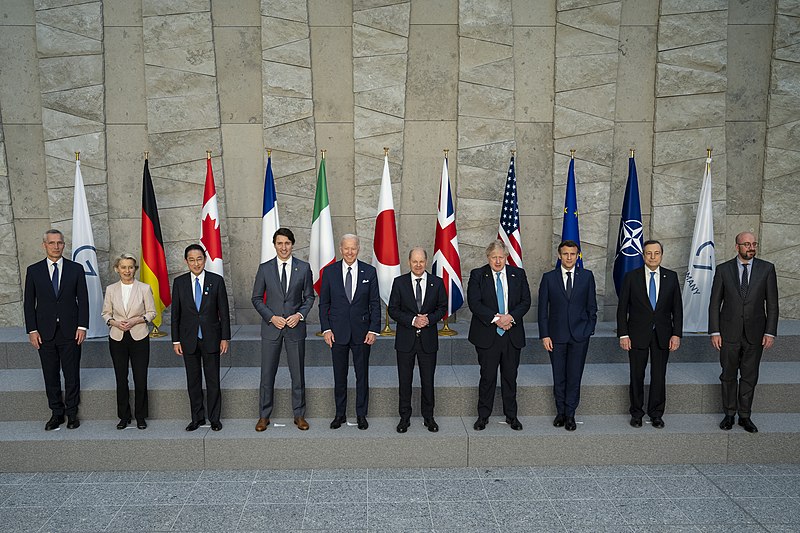
Countries all over the world are experiencing the repercussions of Russia’s unprovoked invasion of Ukraine. The G7 member countries have warned that the ongoing war is causing a food and energy crisis that will disproportionately affect poorer countries.
In a meeting with top diplomats of the G7 member countries, Germany’s foreign minister Anna Baerbock said that the war Russia is waging on Ukraine is causing a “global crisis.” Baerbock explained that up to 50 million people, especially in Africa and the Middle East, would face hunger in the coming months that the war continues unless action is taken to release Ukrainian grain, which makes up a significant portion of the world’s supply.
The G7 also pledged to provide additional humanitarian aid to those who would be the most vulnerable from the war.
“Russia’s war of aggression has generated one of the most severe food and energy crises in recent history, which now threatens those most vulnerable across the globe,” said G7 said in a statement. “We are determined to accelerate a coordinated multilateral response to preserve global food security and stand by our most vulnerable partners in this respect.”
Canadian foreign minister Melanie Joly said her country is prepared to send ships to European ports for Ukrainian grain can be transported to those in need. Joly stressed to reporters that millions may face famine if the grain is not brought to countries in need.
The G7 member countries have also called on China not to provide Russia with assistance in the war, including undermining the international sanctions countries have imposed on Moscow for its invasion. They said that Beijing must respect Ukraine’s sovereignty.
The ongoing invasion of Ukraine has also resulted in Finland’s announcement of its intention to join the NATO alliance, with Sweden also expected to follow suit by applying for membership. The announcement was made Sunday by both countries, breaking from their long history of military non-alignment.
The Finnish parliament is set to endorse the decision within the coming days. A formal membership application to NATO would then be submitted to the alliance’s headquarter’s in Brussels, Belgium, at some time next week.
Sweden also took a step closer to formally announcing its desire to join NATO after the country’s ruling political party, the Social Democratic Party, voiced support to join the alliance.







