


 Trump Weighs FBI Probe Into Nolan Wells’ Death
  Trump Says He Deserves 2026 Nobel Peace Prize Despite Uncertain Chances
  Houthis Strike Aden Airport as Yemen Fighting Escalates
  Saudi Arabia Probes Flydubai Cockpit Attack
  US-Taiwan Ties Remain Strong as Taipei Urges Timely Arms Deliveries
  Tsai Warns of China’s Sustained Pressure on Taiwan
  Zelenskiy Warns Russia Is Preparing Massive Attack on Ukraine
  Lula Weighs Alckmin as Finance Minister to Boost Fiscal Credibility
  Mexico Bars Dual Citizens From Presidential Races Starting in 2028
  Merz Warns of Extremism After AfD Gains Power in Saxony-Anhalt
  US Pressures Allies to Distance From Anti-Disinformation Conference
  North Korea Slams US Taiwan Arms Sales, Reaffirms Russia Support
  JD Vance Says Iran Must Cut Nuclear Enrichment to End War
  Iran Tanker Attacks Surge as Hormuz Oil Flows Near Prewar Levels
  France to Release 10 Million Barrels of Diesel to Ease Fuel Prices
  Trump Rallies in Texas as Republicans Face Tight Midterm Races
  Pentagon Orders Iran Strike Preparations as Trump Weighs Military Action


 Add as a preferred source on Google
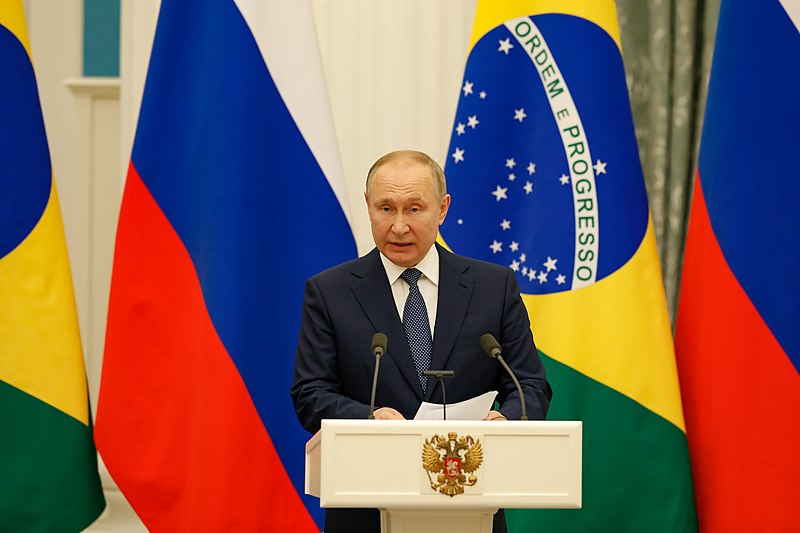
Russia has opposed the potential admission of Ukraine into the NATO alliance, contributing to the escalated tensions in the region. Russian President Vladimir Putin said this week that he wants a solution to the issue of Kyiv’s relationship with NATO.
During a joint press conference with German Chancellor Olaf Scholz, Putin said that he does not want a war with Europe. The Russian leader, however, said that he wants the issue of the Kyiv-NATO relationship to be solved immediately. Putin revealed that while NATO told him that Ukraine would not be joining the alliance, he said that it was not enough.
“We need to resolve this question now…we hope very much our concern will be heard by our partners and taken seriously,” said Putin during the press conference. “As for war in Europe…about whether we want it or not? Of course not. That is why we put forward proposals for a negotiation process, the result of which should be an agreement on ensuring equal security for everyone, including our country.”
Russia has deployed tens of thousands of troops to its border with Ukraine, also demanding that Ukraine not be accepted into the alliance despite Kyiv’s aspirations for the country to join. While the US and NATO have rejected the proposal that included the calls for NATO to stop all its military activity in Europe, they have sent counterproposals.
Prior to Putin’s comments, Russia’s defense ministry said it was carrying out a partial pullback of its troops from certain areas close to Ukraine after finishing military drills. There were no specifics on where the soldiers were being pulled back from or how many units were being moved.
The ministry also shared a video of tanks and other military vehicles leaving the occupied Crimean peninsula, which Russia annexed in 2014.
Despite the announcement of partial troop pullbacks by Moscow, the US and NATO have said that there is still a buildup of troops near Ukraine. This has raised concerns on whether Putin was keen on negotiating towards a solution to the crisis. US Secretary of State Antony Blinken warned that key Russian troop units were moving towards the border rather than away from it.
“There’s what Russia says. And there’s what Russia does. And we haven’t seen any pullback of its forces,” said Blinken in an interview on MSNBC. “We continue to see critical units moving toward the border, not away from the border.”







