The head of the Russian Wagner mercenary group said the group has stopped recruiting prisoners to fight in Ukraine. The recruitment comes ahead of the one-year anniversary of the war and the group has increasingly become more high-profile in recent months.
Russia’s Wagner mercenary group head Yevgeny Prigozhin said on Thursday that the group has completely stopped recruiting prisoners from Russia’s penal colonies. Prigozhin’s comments were a response to a Russian media outlet posted on social media.
“The recruitment of prisoners by the Wagner private military company has completely stopped,” said Prigozhin. “We are fulfilling our obligations to those who work for us now.”
Wagner has been recruiting convicts in Russian penal colonies since the summer of 2022. Prigozhin was offering convicts a pardon if they survived six months of fighting in Ukraine. While the group has not provided information on how many convicts it has recruited but numbers published by the Russian penal service back in November showed a sharp decline of over 20,000 from August to November.
The figures that were published in January showed that the decline mostly stopped.
Back in December, the US intelligence community believed that Wagner had 40,000 convict fighters in Ukraine which would be the vast majority of the group’s personnel in the country. In January, Russian media footage showed Prigozhin meeting the first group of convict fighters to complete their stint and receive pardons.
“Remember life has given you this chance: You didn’t dodge the honor, you didn’t arse it up, you defended the Motherland, all of you were ready to die in these past 180 days,” Prigozhin was seen telling the convicts in one video.
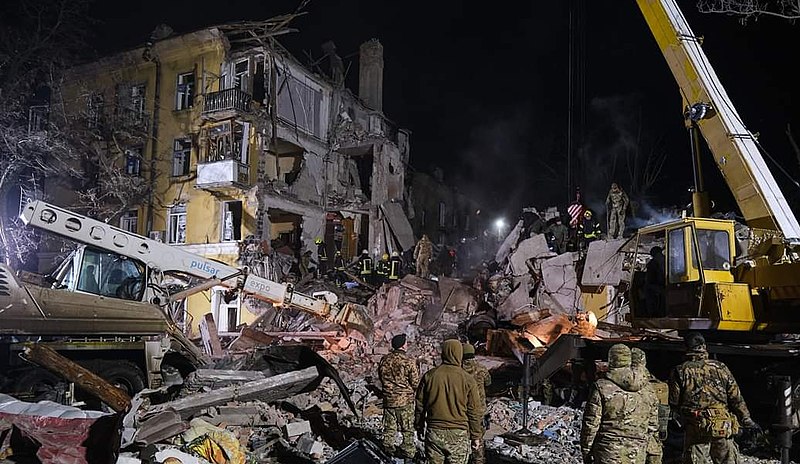
The British defense ministry said that Russian forces made “tactical gains” this week in two key areas, noting that the Wagner group has pushed forward two to three kilometers further west, taking control of the countryside close to the M–03 main route. The ministry said Russian forces are in control of the northern “approaches” of Bakhmut and in southern Ukraine, made advances around the western area of Vuhledar when they re-launched their offensive in January.