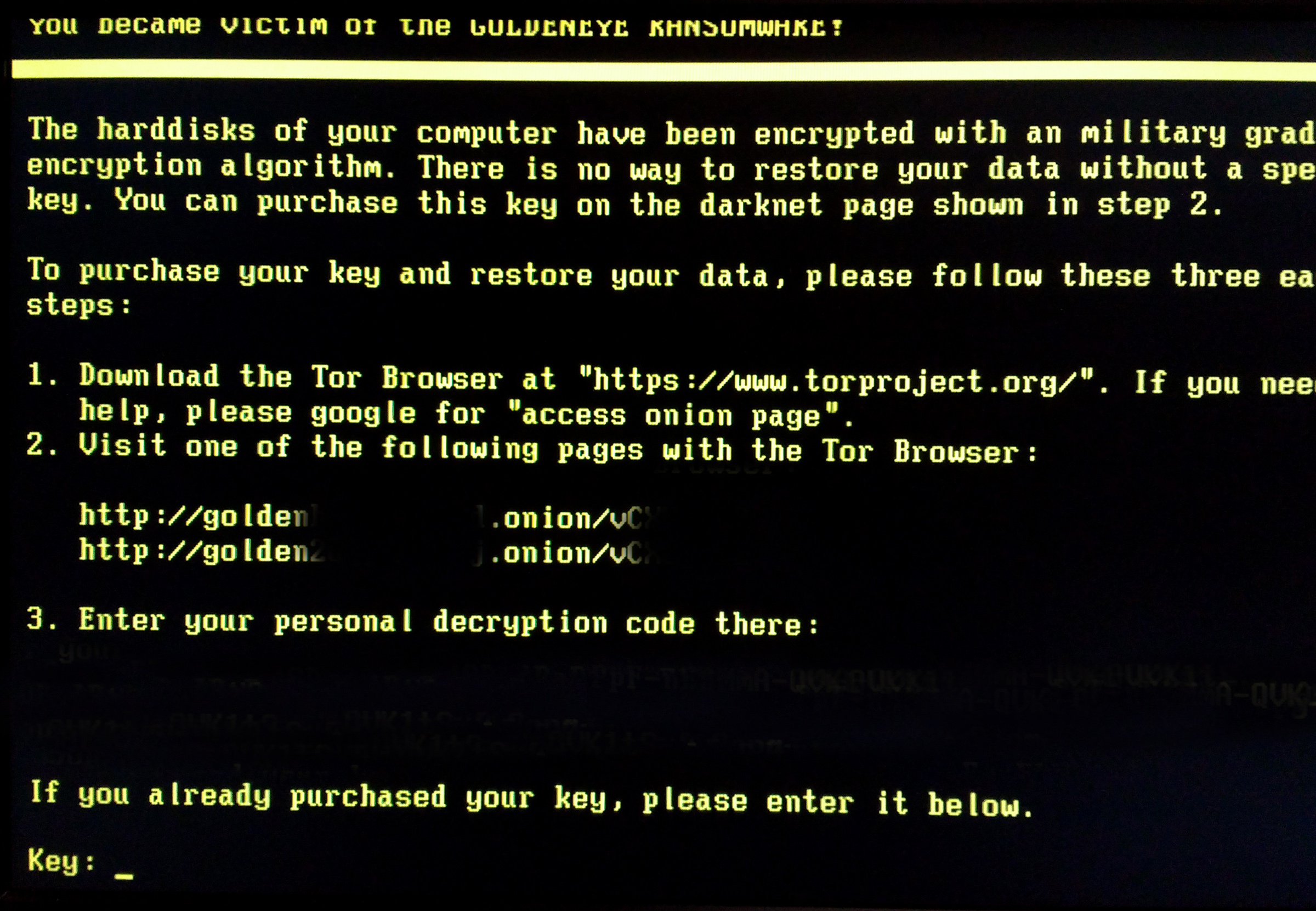
It seems Russia is finally getting a dose of its own medicine, with hackers recently targeting several of its news media outlets. Unfortunately, this also resulted in a new kind of ransomware spreading all throughout Eastern Europe, with collateral damage including countries like Ukraine and several private companies.
According to reports, it would seem that the new ransomware is called BadRabbit and it uses similar codes to the notorious NotPetya strain that compromised several government facilities throughout the world. The malicious software was inserted into prominent Russian news media websites in order to spread the malware, Forbes reports.
The jumping boards used by the hackers included the Russian media group Interfax and the website Fontanka.ru. Even the Kiev Metro line was hit, which compromised much of the service’s systems.
From Russia, the ransomware spread to Ukraine’s Odessa Airport as well as several prominent institutions that were also targeted by the previous NotPetya malware. Anyone who visits these domains will be redirected to the Bad Rabbit network on the Tor dark web.
Among the firms tracking the movement of the new ransomware include ESET and Kaspersky, WIRED reports, which have found hundreds of computers being infected throughout the EU. Fortunately, it would seem that the outbreak has been contained, thus reducing the damage inflicted. At the very least, the epidemic did not reach the same scale as the NotPetya incident.
What has security experts worried about this new attack, however, is the sheer speed and audacity of it. Critical institutions that are essential to everyday life were the targets and were infected in a such a short amount of time. This attack could have cost lives and all signs seem to indicate that it was a coordinated move.
Even more disturbing is how the perpetrators behind these epidemics are constantly escalating their attacks. Since the malware is spread via essential systems used by many computers, early detection or prevention is also difficult to implement.