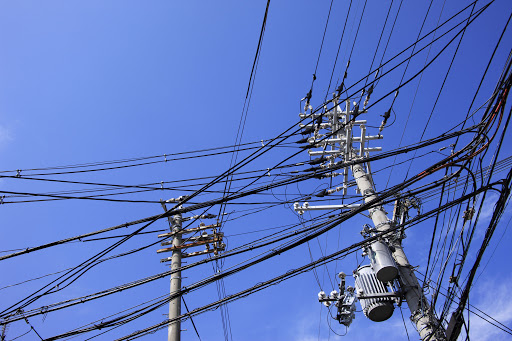
South Korea will roll out energy-saving campaigns while avoiding face-to-face contact as it braces to supply 100.1 million kW in summer, up 1.8 percent from the last year's peak.
An additional 7.29 million kW of reserve power will also be on standby.
The record-high amount of electricity to satisfy an expected hike in demand would range from 87.3 million to 90.8 million kilowatts (kW) in July and August.
It would reach the highest levels when the average temperature hits 30.1 from the final week of July to the second week of August.
The country's energy reserve rate is between 10 to 15 percent over the peak period.


U.S.-Iran Ceasefire: Fragile Truce Raises Hopes for Strait of Hormuz Peace Deal
U.S. Stock Futures Surge as Trump Announces Iran Ceasefire, Oil Prices Plunge
Gold Prices Drop for Third Consecutive Session Amid Iran Tensions and Inflation Fears
Goldman Sachs Cuts 2026 Copper Price Forecast Amid Global Growth Concerns
Xi Jinping Pushes Demand-Driven Strategy to Modernize China's Service Sector
Asian Currencies Rally as Dollar Weakens, Trump-Iran Ceasefire Boosts Risk Sentiment
U.S. Stock Futures Surge as Trump Postpones Iran Strikes, Ceasefire Hopes Rise
Gold Surges Near 3-Week High as Trump-Iran Ceasefire Eases Geopolitical Tensions
Oil Prices Crash 15% as Trump and Iran Agree to Two-Week Ceasefire
Global LNG Exports Drop 4% in Q1 2026 as Qatar Shutdown Reshapes Energy Markets
RBNZ Holds Rates at 2.25% as Middle East Conflict Fuels Inflation Concerns
ECB Warns of Rising Inflation Risks Amid Iran War Energy Shock
Asian Stocks Surge as U.S.-Iran Ceasefire Deal and Samsung Earnings Boost Market Confidence
U.S. Futures Slip as Iran Rejects Ceasefire and Trump Deadline Looms
India's Central Bank Holds Rates Amid Iran War Energy Shock
Energy Prices and Dollar Climb as U.S.-Iran Conflict Grips Global Markets
European Stocks Hold Steady as Iran Ceasefire Deadline Looms 


