


 BOJ Set to Raise Rates to 1.25% as Inflation Risks Build
  Finland Raises 2026 Growth Forecast as Exports and Investment Surge
  Central Banks Could Buy 20,000 Tonnes of Gold: BofA
  Gold Prices Steady as Oil Disruptions Boost Fed Rate Hike Bets
  Treasury Buyback Fails to Cool Long-Term Yields
  German 2-Year Yield Hits 2023 High as Rate Hike Bets Rise
  Gulf Ministers to Meet Iran in Oman Over Hormuz Shipping Deal
  Oil Prices Surge as Houthi Attacks Raise Saudi Supply Fears
  China Home Prices Fall Again as Property Slump Drags on Growth
  US Futures Fall as Fed Meeting, Oil Surge Rattle Markets
  Asian Stocks Steady as AI Shares Rebound Ahead of Fed Decision
  Oil Prices Surge as Houthi Attacks Deepen Hormuz Supply Fears
  China Industrial Output Beats Forecasts as Exports Support Growth
  Dollar Rises as Fed Hike Bets Weigh on Asian Currencies
  Japanese Yen Retreats as Dollar Rises Ahead of Fed, BOJ Rate Decisions
  UK Wage Growth Slows as BoE Rate Decision Looms


 Add as a preferred source on Google
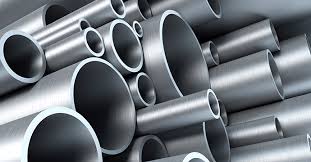
South Korea will cushion the steel industry's fallout caused by weak demand by fast-tracking infrastructure projects and spending over 400 billion won on research and development.
According to Industry Minister Sung Yun-mo, the government will intensify efforts to help steelmakers tide over liquidity crunches due to decreasing demand and to cope with protectionism in overseas markets.
The steel industry, one of South Korea's key industrial sectors, has been hit hard by the pandemic with steel exports plunging 24.1 percent on-year in April.
With domestic demand for steel declining for the fourth consecutive year, local sales are forecasted to plunge below the 50 million ton mark for the first time since 2009.
Overseas shipments of steel are also projected to shrink by over 20 percent in May and June.
Late last month, South Korea's steelmaking giant POSCO lowered its production and sales forecasts for 2020 by over seven percent due to weak demand caused by the pandemic.
POSCO made the revised forecast after its crude steel production in the first quarter plunged 3.6 percent and sales fell 3.5 percent year.
Hyundai Steel and Dongkuk, the country's other steelmakers, have also reduced production days since Q1 due to the weak market conditions.
Demand from South Korea's automakers dropped in Q1 as export sank 17.6 percent on-year to 479,388 units. A further plunge in demand is expected in Q2 as the country's automakers cut production and inventories.







