


 Russia Approves Sberbank for Crypto Exchange Services
  Samsung, SK Hynix Shares Plunge as China Chip Competition Grows
  Fed's Hammack Urges Faster Rate Hikes to Fight Inflation
  US Dollar Rises for Fourth Week as Fed Rate Hike Bets Grow
  IMF Maintains 2027 Global Growth Forecast at 3.4% Amid Rising Risks
  UK Finance Minister Healey Calls for Fiscal Discipline Amid Global Risks
  Hong Kong’s Second Solana ETF Launches With Lower Fees
  Syndax Stock Drops 15% After Axatilimab Trial Failure
  Orsted to Take Full Ownership of UK Offshore Wind Farm for £15 Million
  Global Stocks Mixed as Oil Falls Ahead of US Earnings
  Airbus Tests Valkyrie Combat Drone in Europe for Eurofighter Integration
  Ethereum Foundation-Linked Wallets Move $11.13M in ETH to Kraken
  Trump Calls for Zelenskyy Replacement Amid Russian Diesel Deal
  Bank of America Predicts Yen Rebound as USD/JPY Faces Risks
  Oil Prices Fall as Trump Ceasefire Claim Shifts Market Focus to U.S. CPI
  Gold Prices Rise Above $4,200 as Russia-Ukraine Energy Truce Eases Oil Concerns
  Trump Defends Russian Diesel Deal Amid US Sanctions Backlash


 Add as a preferred source on Google
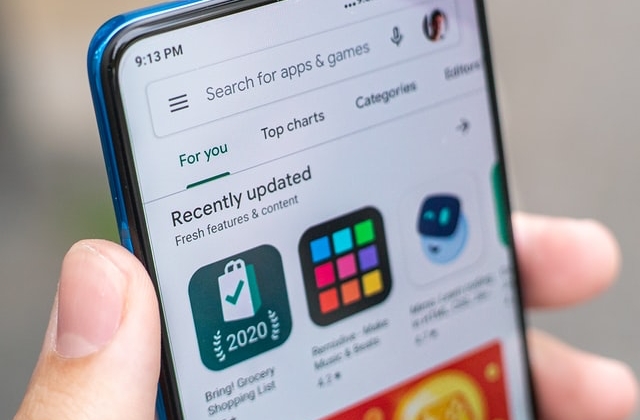
Google’s Play Store and Apple’s App Store’s in-app billing system are expected to be banned in South Korea soon as the country’s law-giving body is set to pass a bill for this. It was revealed on Wednesday, Aug. 25, that the officials will disallow the American tech companies from forcing app developers to use the payment systems on their app platforms.
As per Yonhap News Agency, the legislation and judiciary committee of the National Assembly gave the go signal for the revision of the country’s Telecommunications Business Act. The request for revision was submitted to prohibit app market operators from requiring application developers from using preferred payment systems.
It was added that an Anti-Google Law was forwarded to the highest legislature in August 2020, and this resulted from the tech firm’s announcement that it will require app developers to use Google Play’s billing system and impose a 30% commission on in-app purchases.
Once the amendment to ban the in-app billing system is approved, South Korea will become the very first nation to have such a bill that illegalizes tech company’s in-app billing policies. Earlier this year, Google lowered the commission fees to 15% for the first $1 million earnings of the developers, and Apple also cut its rate in response to the growing pressure on them.
Pulse News reported that under the revision, app market operators like Google and Apple must allow third-party payment systems on their app stores. The firms will also be prohibited from unfairly deleting apps or delaying evaluation for developers in S. Korea. This means that the developers should be given options and freely choose a payment system to use for billing transactions.
Meanwhile, it is not just South Korea that is looking into these in-app billing policies, and in fact, the regulatory commissions in Germany and the United Kingdom have also launched a probe into Apple’s in-app billing practices. Amid the scrutiny and investigations, both Google and the iPhone maker did not release statements regarding the developments, but they have previously expressed concerns over Korea's new regulations.







