The coronavirus relief funds distributed in South Korea were spent mostly on dining out and groceries based on transactions made from May 11-31 of credit and debit cards from eight financial firms.
According to the Ministry of Interior and Safety, which analyzed the spending behavior with the relief money, 5.67 trillion won in relief money was spent as of May 31.
Restaurants attracted the most expenditures with 1.44 trillion won or 24.8 percent.
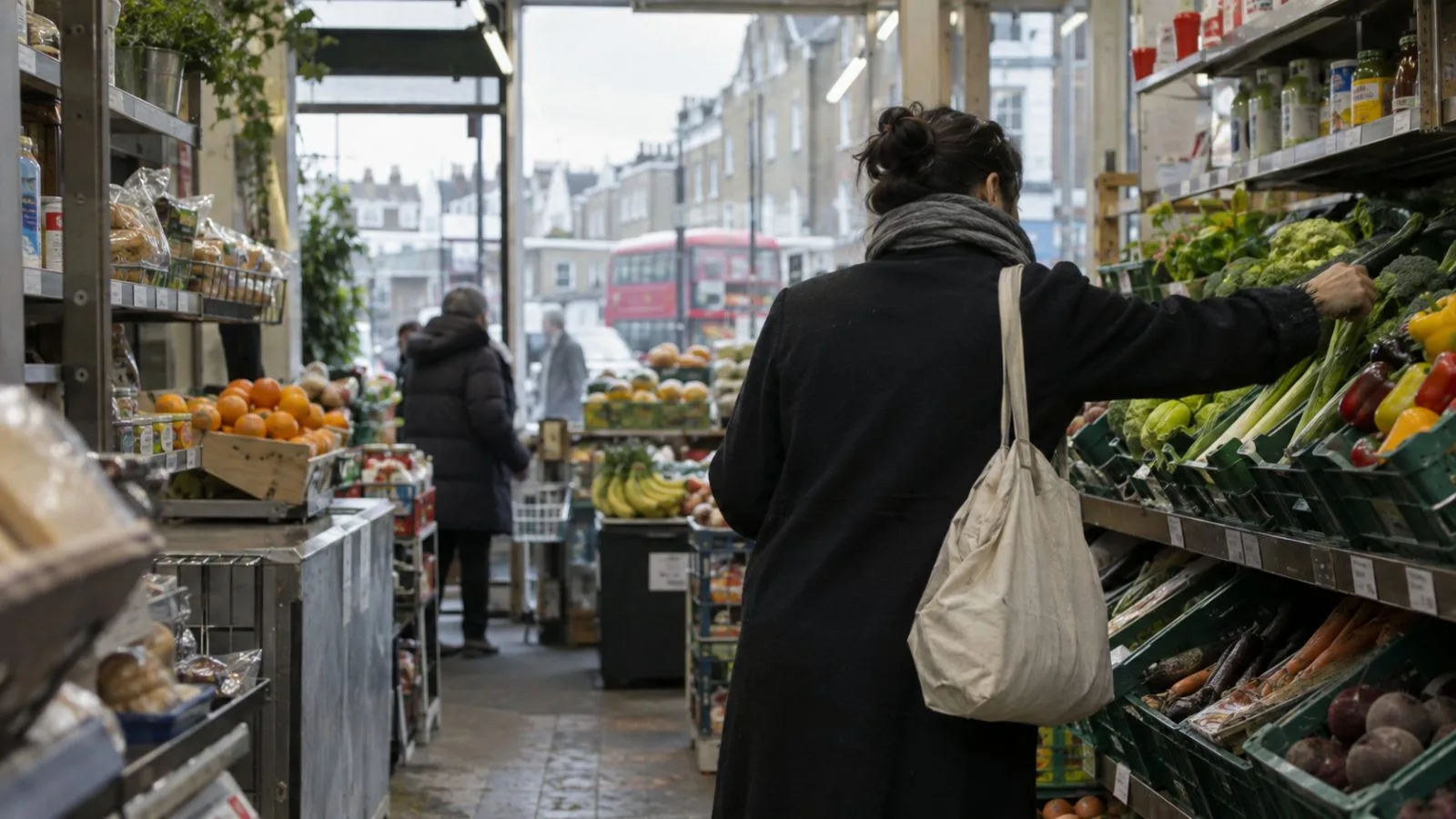
It was followed by marts and grocery stores with 1.37 trillion won, or 24.2 percent, while hospitals and pharmacies were third with 590 billion won or 10.4 percent.
South Koreans also spent 349 billion won in gas stations, 330 billion won in clothing stores, with 330 billion won, 259 billion won in convenience stores, and 248 billion won in private educational institutions.
Around 64 percent was spent at midsized businesses with annual sales of 3 billion won or less, and 26 percent at small companies with annual sales of 300 million won or less.
South Korea began paying out the relief money on May 4.
According to the ministry, 99.5 percent of 21.7 million households received the one-off payment as of Sunday, with 95.4 percent of 14.2 trillion won budget having been spent.
Households that fail to apply for the relief funds by Aug. 18 will forfeit the amount and be regarded as donors to the state. Those who were able to receive the money must spend it by Aug. 31 or will also forfeit it.
Active spending will be promoted by the ministry, who will closely monitor the expenditures to ensure that the emergency relief funds were all spent to assist people's livelihoods and the local economy.