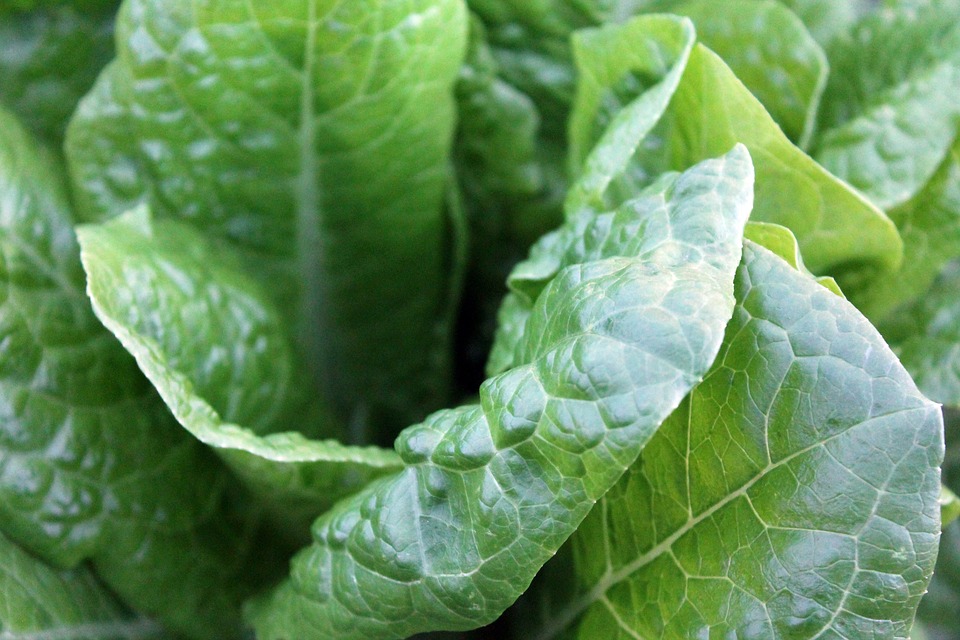
For the most part, the leafy green spinach has only ever been super in the animated classic Popeye the Sailor Man when the quirky main character would down a whole can of the leaves to gain strength. Recently, scientists actually gave the greens new abilities, which turns them into sensors. Humans can then communicate with the super spinach to gather data such as whether or not there’s a bomb around.
This odd route to scientific advancement is the work of engineers at MIT, Futurism reports. The Spinach is the first example of a specimen belonging in plant nano Bionics, which basically involves infusing organic life forms with artificial aspects. In the case of the spinach, the leaves had carbon nanotubes embedded into them, thus turning the plant into something it was never meant to be.
Before people start condemning this conceivably unnatural act, however, the spinach leaves were actually given the ability to detect certain nitroaromatics. These are properties found in compounds with explosive characteristics. Basically, the scientists created spinach bomb detectors.
One of the people behind the project is Professor Michael Strano. Speaking to MIT News, Prof. Strano explains what the goal of the research is and what it means to science as a whole.
“The goal of plant nanobionics is to introduce nanoparticles into the plant to give it non-native functions,” he said before adding, “This is a novel demonstration of how we have overcome the plant/human communication barrier.”
Prof. Strano is a huge proponent of the concept that plants can play a major role in the advancement of scientific efforts, particularly ones that have to do with pollution and protecting the environment. He is particularly keen when it comes to the network that plants can build for themselves, able to constantly monitor soil and groundwater characteristics to detect pollutants or harmful chemicals.