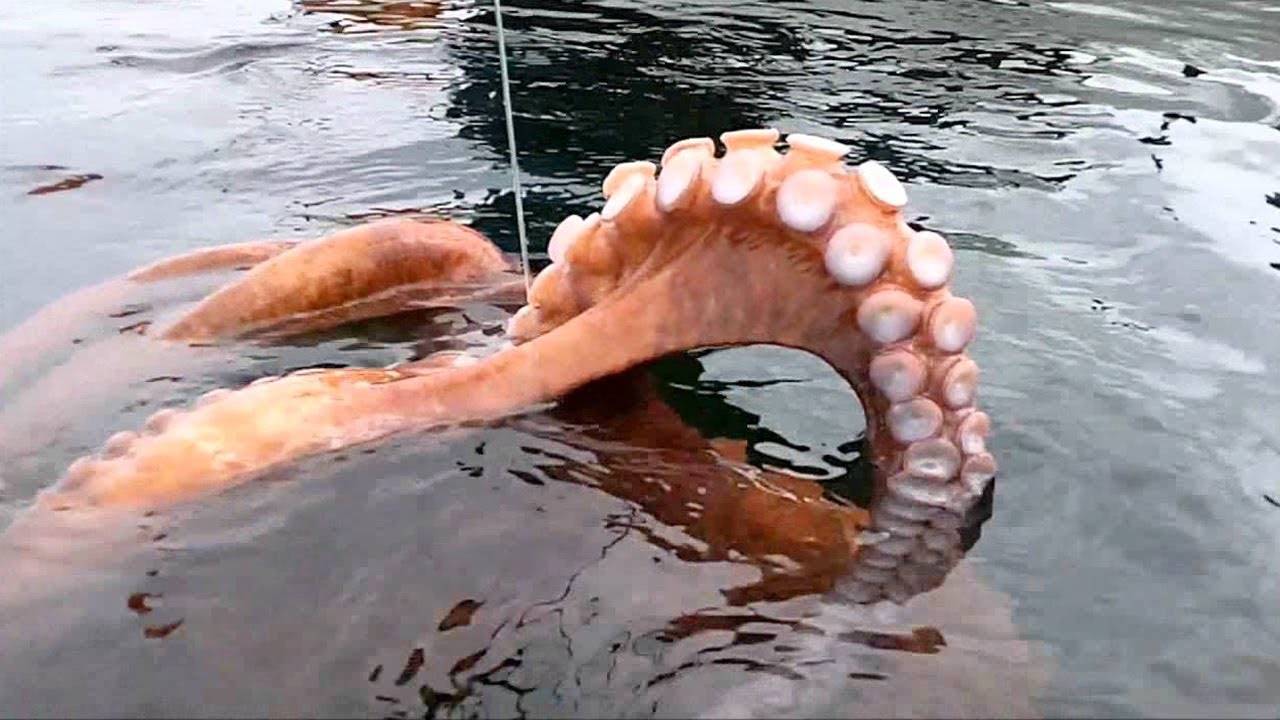
Scientists and environmentalists have expressed deep concern over a plan to build the world’s first octopus farm in the Canary Islands, as it is detrimental to the welfare of the creatures renowned for their intelligence and solitary lives.
Nueva Pescanova, a Spanish multinational firm specializing in the capture, cultivation, production, and marketing of seafood, sent planning proposal documents to the Canary Islands’ General Directorate of Fishing.
Belgium-based animal protection lobby, Eurogroup for Animals (EFA), obtained the documents, which state that once fully operational, the proposed farm would produce around 3,000 tons of octopus annually. It is equivalent to approximately 1 million octopuses or three times the number currently caught in the wild by Spanish fisheries.
Nueva Pescanova plans to keep 10 to 15 octopuses per cubic meter in tanks. There will be around 1,000 communal tanks in a two-story building in the port of Las Palmas in Gran Canaria.
To hasten the reproductive process, they will subject the octopuses to 24-hour light exposure. These lonely, inquisitive, and light-averse animals should not be kept in the conditions specified.
Due to octopuses' innate need for solitude, the EFA claims that keeping them in communal tanks will be bad for their well-being and increase the danger of aggressiveness, territorialism, and cannibalism.
Nonetheless, Nueva Pescanova asserts that the species has been domesticated to a certain extent and that there are no significant indicators of cannibalism or rivalry for food.
According to Nueva Pescanova, population density research has "demonstrated how octopuses naturally adapt to group living conditions without conflict owing to territoriality."
Nueva Pescanova would kill the octopuses by immersing them in an "ice slurry," which involves submersion in a solution of water and ice, where they would be left to perish from a lack of oxygen.
The UK organization Humane Slaughter Association also classifies death by ice slurry as an inappropriate type of killing, and EFA calls it "a highly..inhumane procedure is scientifically shown to cause severe pain, anxiety, and suffering as well as a delayed death."
Octopus cultivation, according to proponents like Nueva Pescanova, offers a sustainable way to produce it for consumption and would ease the strain on wild populations.
A spokesperson for the company said that farming these creatures is necessary “to protect a species of great environmental and human value”.