


 Neuralink Expands Brain Implant Trials with 12 Global Patients
  Eli Lilly’s Inluriyo Gains FDA Approval for Advanced Breast Cancer Treatment
  Blue Origin New Glenn Explosion Could Delay Launch Operations Until 2028
  Trump Administration Releases New UFO Files and Apollo Mission Records
  Jared Isaacman Confirmed as NASA Administrator, Becomes 15th Leader of U.S. Space Agency
  Cogent Biosciences Soars 120% on Breakthrough Phase 3 Results for Bezuclastinib in GIST Treatment
  Blue Origin’s New Glenn Achieves Breakthrough Success With First NASA Mission
  Trump and Merck KGaA Partner to Slash IVF Drug Costs and Expand Fertility Coverage
  NASA Artemis II: First Crewed Moon Mission Since Apollo Takes Four Astronauts on 10-Day Lunar Journey
  SpaceX’s Starship Completes 11th Test Flight, Paving Way for Moon and Mars Missions
  Trump Administration to Launch Autism Initiatives Targeting Acetaminophen Use and New Treatment Options
  FDA Adds Fatal Risk Warning to J&J and Legend Biotech’s Carvykti Cancer Therapy


 Add as a preferred source on Google
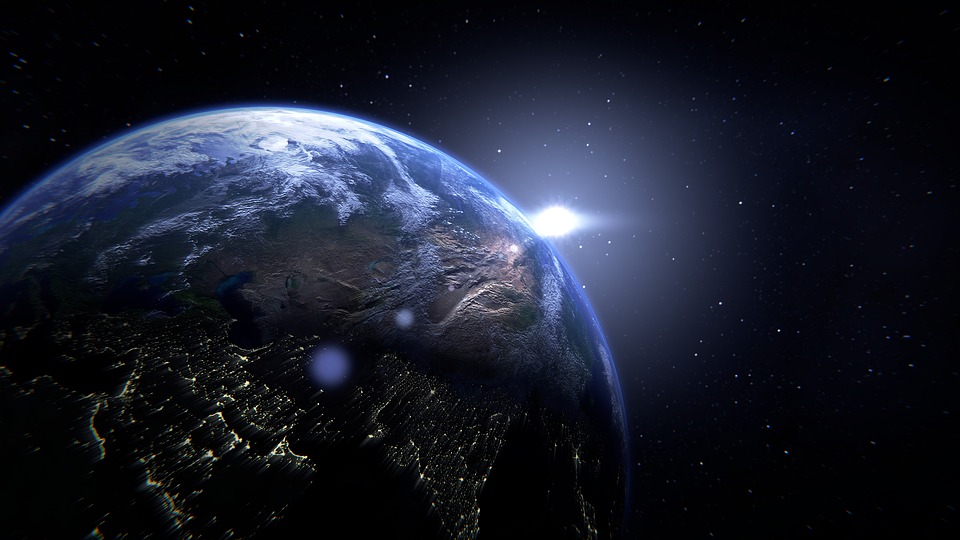
Although scientists continue to dig up the Earth in search for remnants of the past, not many may have tested the possibility of digging deeper to take a look at what may lie in the deeper reaches of the planet. An analysis of almost 20 years’ worth of seismic waves revealed some mysterious structures that are present near the Earth’s core.
Researchers from the University of Maryland analyzed seismic wave recordings from 1990 to 2018 and found unusual structures made up of hot and dense rocks that are found near the core. They have yet to determine what these structures were, but this discovery suggests how far scientists still have to go when studying the Earth.
One of the structures was found underneath the Marquesas islands in the South Pacific, while another structure that was under Hawaii, is a lot larger than what scientists initially believed. According to the study’s lead author, Doyeon Kim of the UMD Department of Geology, “By looking at thousands of core-mantle boundary echoes at once, instead of focusing on a few at a time, as is usually done, we have totally gotten a new perspective. This is showing us that the core-mantle boundary region has lots of structures that can produce these echoes, and that was something we didn’t realize before because we only had a narrow view.”
According to UMD associate geology professor and study co-author Vedran Lekic, they found echoes in 40 percent of the overall seismic wave paths they analyzed.
Onto other discoveries in the ground, users of Google Earth noticed a mysterious island in the South Pacific region that over the years was disappearing every now and then, leading for many to refer to it as a “phantom island.” For a long time since it was first discovered back in 1776, Sandy Island, named as such by British explorer Captain James Cook who first marked it as “Sandy I,” it remained a mystery until 2012 when explorers were investigating ocean depths that were beyond 4,300 feet. This initially suggested that there was nothing underneath the surfaced based on the depths.
However, even when Google removed the island, there was still a rise from a seabed that was visible on Google Maps.







