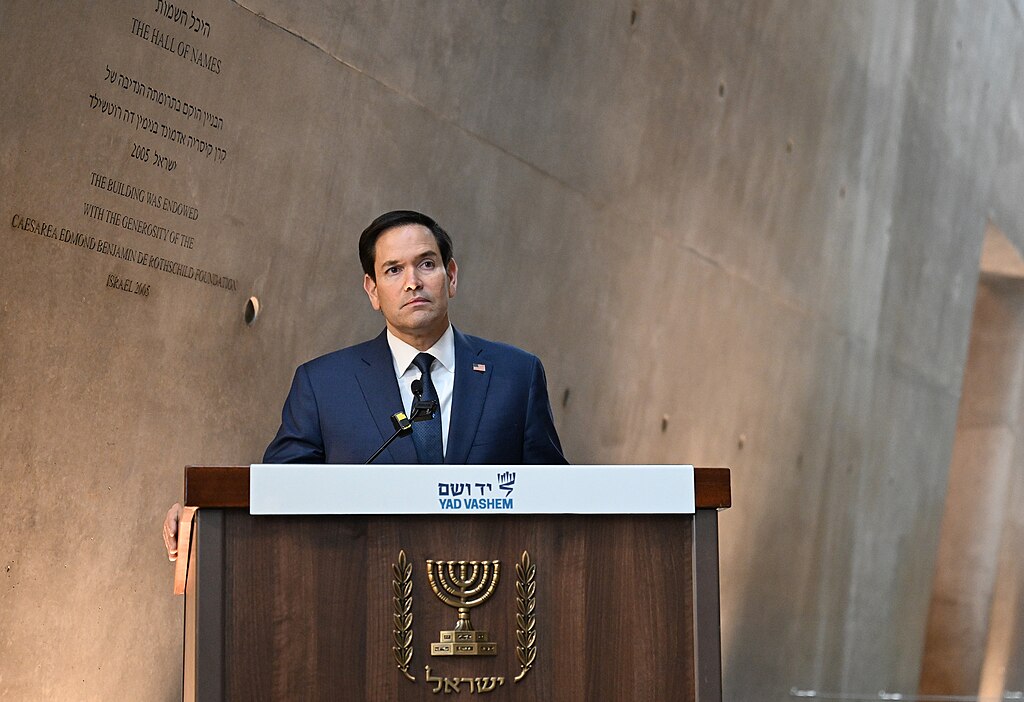
U.S. Secretary of State Marco Rubio is set to testify this week before multiple congressional committees, facing bipartisan scrutiny over his loyalty to President Donald Trump and his handling of key foreign policy issues. Rubio, a former senator from Florida, was unanimously confirmed by the Senate (99-0) on January 20 as Trump’s top diplomat, just hours after the president’s second inauguration.
However, some Democrats now express regret over their votes, accusing Rubio of failing to counterbalance Trump’s unprecedented consolidation of executive power. The upcoming hearings are expected to address major concerns including deep cuts to foreign aid, downsizing at the State Department and USAID, and controversial shifts in U.S. policy on Syria, immigration, and Gaza humanitarian relief.
Rubio, once a strong advocate for foreign aid during his 14-year Senate career, will also be questioned about Trump’s suggestions to annex Greenland and turn Canada into the 51st state—moves that have strained diplomatic ties with allies. Additionally, lawmakers will challenge Rubio on the administration’s weakening global influence, particularly in competition with China. Senator Jeanne Shaheen noted that Beijing is filling the void left by the U.S. through increased diplomatic spending and foreign assistance.
Despite criticism from some Democrats like Chris Murphy and Chris Van Hollen, Republicans praise Rubio’s expanded role. Besides serving as secretary of state, he is currently acting national security adviser, USAID administrator, and acting U.S. archivist—the first to hold dual top security roles since Henry Kissinger.
Rubio’s testimony schedule includes appearances before the Senate and House Foreign Relations and Appropriations Committees on Tuesday and Wednesday. These sessions are expected to be pivotal in evaluating the administration’s foreign policy direction and Rubio’s unprecedented concentration of power.