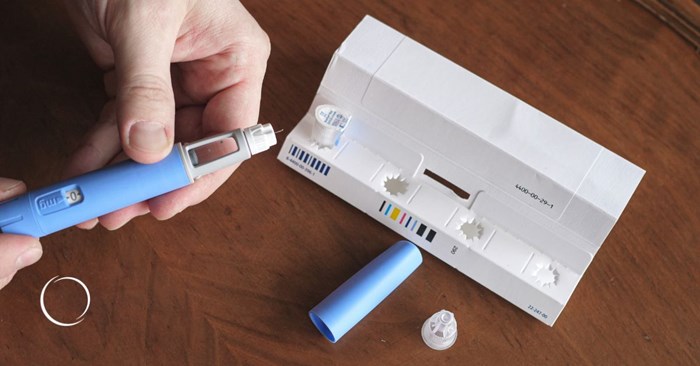
New analyses presented at the European Congress on Obesity reveal the multifaceted benefits of semaglutide, a popular weight-loss drug sold under the brand names Ozempic and Wegovy. These findings show that semaglutide not only helps in weight management but also significantly reduces cardiovascular events such as stroke and heart attack, independent of weight loss.
Cardiovascular Benefits Independent of Weight Loss
Semaglutide mimics the GLP-1 hormone, signaling to the body that it is full. The SELECT trial, which was the focus of the recent analyses, included over 17,600 adults from 41 countries with pre-existing cardiovascular disease who were overweight or obese. Funded by Novo Nordisk, the Danish pharmaceutical company behind semaglutide, the trial spanned from October 2018 to March 2021.
Participants, representing a diverse geographic and racial population, received either semaglutide or a placebo weekly for an average of 3.3 years. The trial's initial findings, published in the New England Journal of Medicine in 2023, indicated a 20% reduction in major adverse cardiovascular events, including stroke, heart attack, and cardiovascular death.
Further analysis confirmed these cardiovascular benefits were independent of weight loss, suggesting other mechanisms at play. Professor John Deanfield from University College London emphasized that all participants with a BMI over 27 experienced cardiovascular benefits, regardless of their starting weight. He noted that the drug provided additional benefits on top of existing therapies like statins, potentially transforming the treatment of chronic diseases similarly to how statins have.
Sustained Weight Loss Over Four Years
Another analysis of the SELECT trial, published in Nature Medicine and presented at the congress, highlighted semaglutide's effectiveness in sustaining weight loss over a prolonged period. The study focused on adults who were overweight or obese but did not have diabetes.
Donna Ryan from the Pennington Biomedical Research Centre, lead author of the weight loss analysis, reported that patients on semaglutide achieved significantly more weight loss compared to those on a placebo. After two years, nearly 68% of those taking semaglutide experienced a weight loss of 5% or more, and 44% lost 10% or more of their weight. In contrast, only 21% of the placebo group lost 5% or more, and nearly 7% lost 10% or more.
Additionally, patients on semaglutide experienced fewer serious adverse events compared to those on placebo, primarily due to a reduction in cardiovascular events and infections.
Implications for Broader Use
The authors acknowledged some limitations in the trial, such as the exclusion of individuals with excess body fat but a normal BMI. Despite this, the findings support the broad use of semaglutide for preventing stroke or heart attack in overweight and obese individuals with preexisting cardiovascular disease.
Martin Landray, CEO of the not-for-profit organization Protas, who was not involved in the analyses, suggested that future research should explore whether semaglutide could also be useful in primary prevention. This would involve reducing the risk of cardiovascular and other diseases in overweight or obese individuals who have not yet developed cardiovascular disease. Large, inclusive, and long-term trials would be necessary to answer this question and potentially reshape obesity treatment, akin to the evolution of hypertension and cholesterol management over recent decades.
Growing Obesity Concerns in the EU
The prevalence of weight problems and obesity is rising in the EU, with Eurostat reporting that 52.7% of the adult population was overweight in 2019. Obesity poses significant public health challenges, increasing the risk of chronic diseases like cardiovascular disease and diabetes.
Semaglutide's dual benefits of weight loss and cardiovascular event reduction offer a promising approach to addressing these growing health concerns.