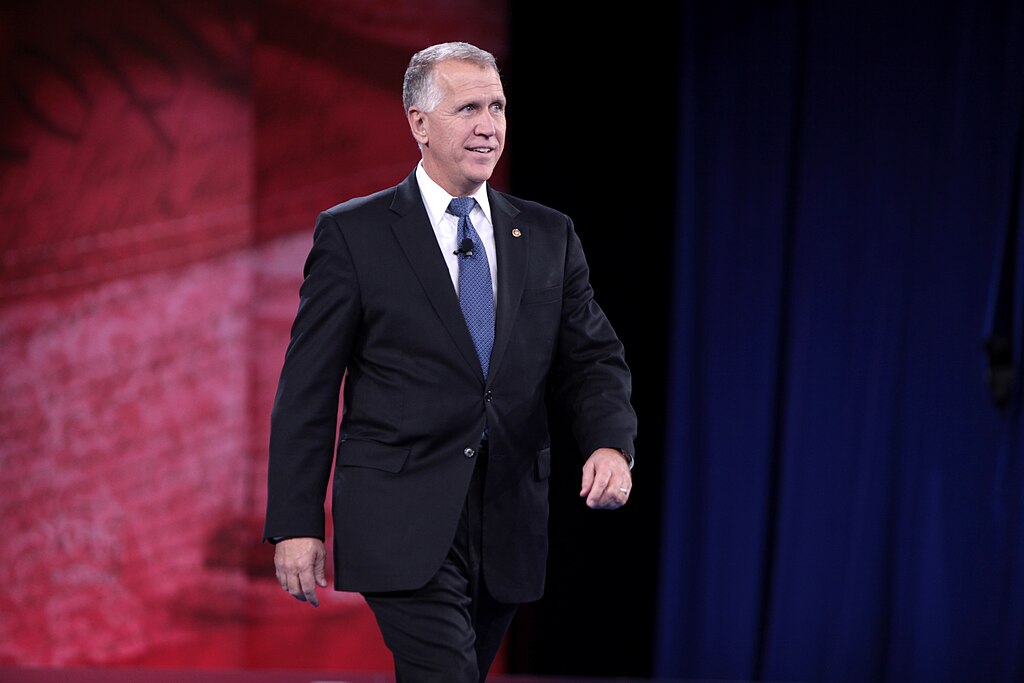
Republican Senator Thom Tillis announced he will not seek reelection in 2026, just a day after former President Donald Trump criticized him for voting against the administration’s major tax-cut and spending bill. Tillis was one of only two GOP senators who opposed opening debate on the bill, a critical step for advancing Trump’s legislative agenda.
Representing North Carolina, Tillis’s seat is considered one of the few competitive races in the upcoming midterm elections, which could determine control of the U.S. Senate. Republicans currently hold a 53-47 majority, and most GOP senators facing reelection are in states Trump won decisively in 2024. Besides Tillis, only Maine’s Susan Collins is running in a Biden-leaning state.
Trump quickly praised Tillis’ exit on Truth Social, calling it “great news” and signaling his intent to support primary challengers. The move underscores Trump’s growing influence over the Republican Party and his willingness to oust lawmakers who oppose his policies.
Tillis cited growing political polarization and the decline of bipartisan leadership in his decision, saying, “It’s become increasingly evident that leaders willing to embrace compromise and independent thinking are becoming an endangered species.”
Democrats view the North Carolina seat as a key target. Former U.S. Representative Wiley Nickel has already entered the race, though party leaders are urging former Governor Roy Cooper, a popular Democrat, to run.
Tillis had expressed concerns about the bill’s potential cuts to Medicaid and its impact on lower-income constituents, contributing to his “no” vote. Trump responded by calling the decision a “big mistake” and vowed to meet with possible GOP challengers.
Tillis’ retirement adds further uncertainty to a high-stakes 2026 election cycle already poised to reshape the Senate landscape.