


 UN Urges Talks on Lebanon Peacekeeping Mission Extension
  Zelenskiy Seeks New US Talks to Revive Ukraine-Russia Peace Negotiations
  Trump Warns Houthis Over Attacks, Considers Erdogan Intervention
  Jordan Bardella Antisemitism Allegations Threaten Le Pen’s Campaign
  FBI Denies Report of Kash Patel’s Russia Visit
  US Supreme Court Denies Release of Anti-ICE Activist Kyle Wagner
  Flavio Bolsonaro Backs Brazil’s 40-Hour Workweek Reform Ahead of Runoff
  Netanyahu Rejects Preemptive Iran Strike Ahead of Israel Election
  Container Ship Sinks in Strait of Hormuz as Iran Attacks Escalate
  SpaceX Starlink Restrictions Disrupt Ukraine Military Operations
  Zelenskiy Says Trump’s Support for Russia Is ‘Painful’
  Italy’s Meloni Warns US-Russia Diesel Deal Could Weaken Ukraine Sanctions
  US Condemns China Sanctions on Taiwan Allies Belize and Paraguay
  Trump Denies China, Russia Are Helping Iran in War
  Trump Announces Massive Oil and Mineral Exploration Plans in Greenland
  Most Americans Oppose Election Betting on Prediction Markets, Poll Finds
  Trump Confirms US Intelligence Sharing With Ukraine Amid Russian Strikes


 Add as a preferred source on Google
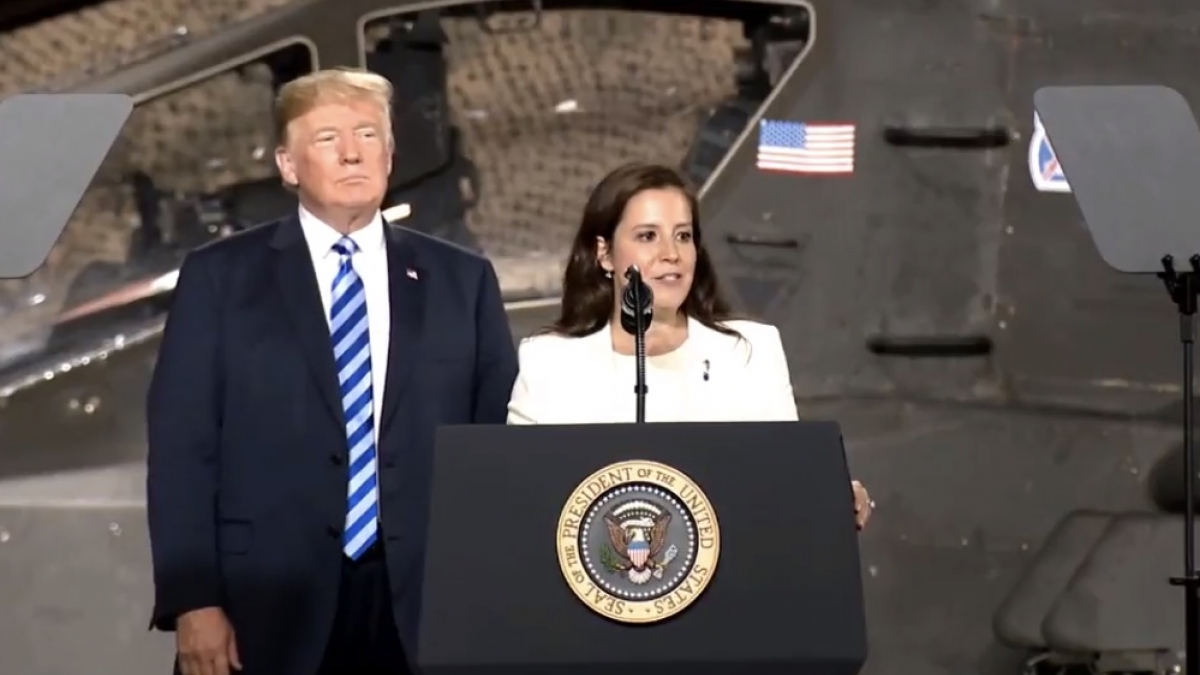
In a surprising move, Democratic Senator John Fetterman of Pennsylvania has endorsed New York Republican Representative Elise Stefanik for the role of U.S. ambassador to the United Nations. Fetterman’s announcement on Tuesday stunned political insiders, reigniting discussions on bipartisan collaboration amidst an increasingly polarized Congress.
Stefanik, known for her staunch support of former President Donald Trump, has been a polarizing figure in Washington. Her nomination by President-elect Trump has already drawn criticism from Democrats wary of her controversial positions on foreign policy and domestic issues. However, Fetterman’s endorsement signals a rare moment of bipartisan alignment in the Senate.
Fetterman defended his decision in a statement, calling Stefanik “a pragmatic choice who understands the complexities of global diplomacy.” He emphasized the importance of placing qualified individuals in roles critical to America’s international standing, regardless of party affiliation.
Critics, however, argue that Fetterman’s support may alienate progressive voters and deepen divisions within the Democratic Party.
A Move Toward Bipartisanship or Political Controversy?
Elise Stefanik’s nomination has triggered widespread reactions across the political spectrum. Supporters hail her as a capable leader who can represent U.S. interests effectively at the U.N. Meanwhile, detractors highlight her close ties to Trump and question her commitment to multilateral diplomacy.
During her time in Congress, Stefanik has been an outspoken critic of international agreements like the Paris Climate Accord, fueling concerns among environmental advocates. Additionally, her alignment with Trump’s “America First” foreign policy has raised eyebrows among allies concerned about U.S. disengagement from global initiatives.
Senator Fetterman’s endorsement has only added to the controversy. Some see it as a bold move toward bipartisan cooperation, while others view it as a betrayal of Democratic values.
On social media, the reactions have been swift and divisive:
- @BlueWaveRider: “John Fetterman endorsing Elise Stefanik? What a joke. This is why we can’t trust our own party.”
- @GOPPatriotUSA: “Finally, some common sense from a Democrat! Fetterman sees the bigger picture. Stefanik is the right choice.”
- @UNWatcherNYC: “Stefanik at the U.N.? Her record speaks for itself, and it’s not great. Fetterman should reconsider.”
- @ProgressiveVoice: “This is a slap in the face to progressives who supported Fetterman. What’s next, endorsing Marjorie Taylor Greene?”
- @DiplomacyMatters: “Stefanik brings experience and grit to the table. Let’s give her a chance before jumping to conclusions.”
- @GreenFutureNow: “How can Fetterman back someone who undermines climate action? This is a disaster for global diplomacy.”
Implications for the Senate Confirmation Process
Stefanik’s confirmation is far from guaranteed, with several Democratic senators already voicing opposition to her nomination. Fetterman’s support, however, could influence moderates within his party and tip the scales in Stefanik’s favor.
Political analysts suggest that Fetterman’s endorsement may reflect a strategic calculation. By supporting Stefanik, he could be positioning himself as a bridge-builder in an era of deep partisan divides. However, this strategy risks alienating key Democratic constituencies, particularly progressives who champion multilateralism and climate action.
Stefanik has yet to address Fetterman’s endorsement publicly. Her confirmation hearing, expected early next month, will likely be a heated affair, with senators on both sides scrutinizing her record and policy positions.







