


 Australia Jobs Fall 39,300 as Unemployment Hits 4.7%
  US Inflation Surges in September, Raising Fed Rate Hike Bets
  S&P 500 Futures Rise Ahead of US Inflation Data and Bank Earnings
  US Dollar Hits 18-Month High as Inflation Fuels Fed Rate Hike Bets
  Italy’s Meloni Warns US-Russia Diesel Deal Could Weaken Ukraine Sanctions
  Gold Prices Mixed Ahead of US Inflation Data and Fed Rate Outlook
  IMF Warns US Debt Crisis Needs Fiscal Action, Urges China to Boost Consumption
  U.S. Treasury Yields Fall as Tech Selloff Sparks Safe-Haven Demand
  Wall Street Closes Lower as Bank Earnings and AI Concerns Weigh
  Oil Prices Drop as U.S. Weighs Easing Shadow Fleet Sanctions
  Philippines Current Account Deficit Seen at $19.1 Billion in 2026
  Asian Stocks Plunge as Chip Selloff and US Inflation Fuel Fed Rate Hike Fears
  Oil Prices Mixed as Russia Diesel Deal and Houthi Attacks Raise Supply Concerns
  Container Ship Sinks in Strait of Hormuz as Iran Attacks Escalate
  Fed’s Williams Sees One More Rate Hike in 2026, None in 2027
  Asian Currencies Steady as Dollar Nears 18-Month High Ahead of US CPI
  Gold Prices Rebound as Dollar Weakens Ahead of US Inflation Data


 Add as a preferred source on Google
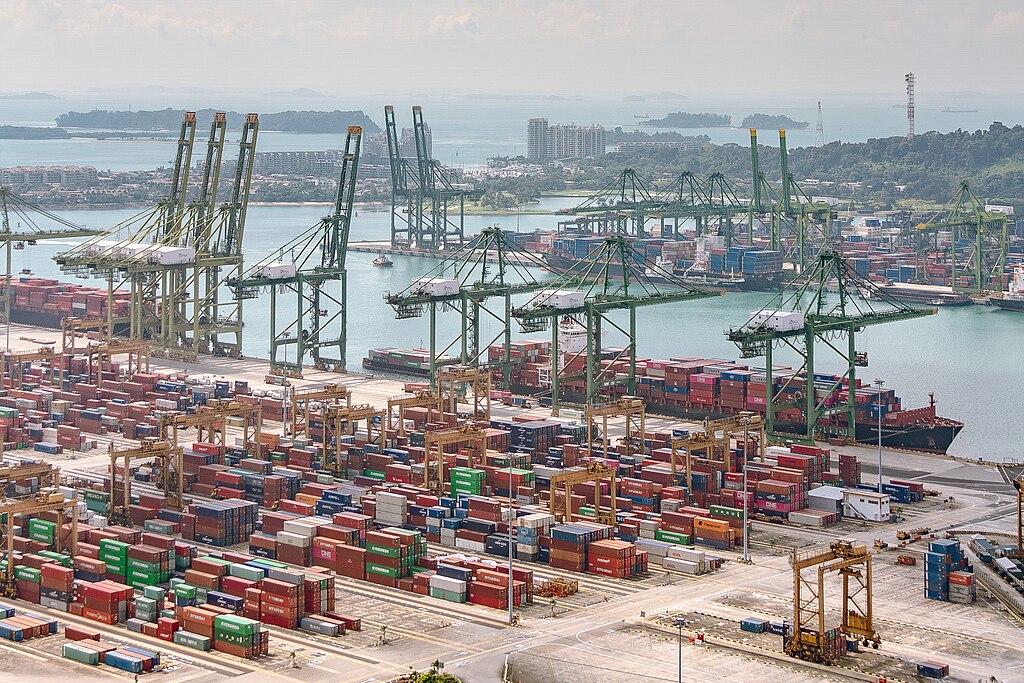
Singapore’s non-oil domestic exports (NODX) declined 3.5% year-on-year in May, falling short of expectations for 8.0% growth, according to data released Tuesday by Enterprise Singapore. This marks a reversal from April’s sharp 12.4% surge, signaling increased volatility in the city-state’s trade performance.
While electronics exports showed a slight rise, major declines were seen in shipments of petrochemicals, non-monetary gold, and specialized machinery. The agency did not provide seasonally adjusted month-on-month data in its latest release.
By market, exports to Taiwan, Indonesia, South Korea, and Hong Kong rose in May compared to the previous year, but shipments to key partners like the United States, Thailand, and Malaysia declined. The dip in U.S.-bound exports is particularly concerning as trade tensions with Washington escalate.
Singapore’s government recently revised its 2025 GDP growth forecast down to 0%–2% from an earlier 1%–3%, citing weakening global demand and rising protectionist measures. Trade Minister Gan Kim Yong noted that the U.S. is maintaining a 10% tariff on Singaporean goods and has threatened additional tariffs on pharmaceuticals—an area where Singapore is currently seeking concessions.
With global trade momentum softening and geopolitical risks increasing, Singapore’s open and trade-reliant economy faces rising headwinds. Analysts warn that the risk of a technical recession and rising unemployment may materialize if exports fail to rebound in the second half of the year.
As one of the world’s most trade-exposed nations, Singapore is widely regarded as a key barometer for global economic health. The May export data underscores growing concerns that international trade flows could weaken further under the weight of rising tariffs and slowing demand.







