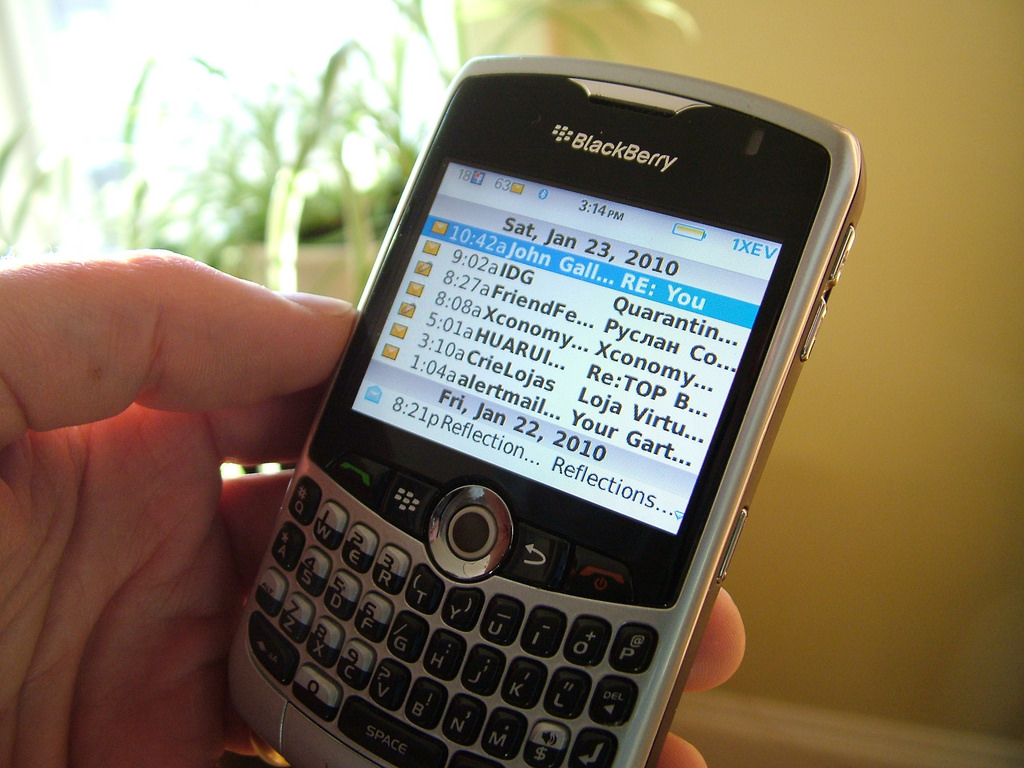
When people think of Blackberry, they think of the once unstoppable force in the mobile phone market, which absolutely everyone wanted until Apple burst onto the scene with the iPhone. Left behind and floundering, it was only natural that Blackberry would look for other avenues to make money. That’s why it has its sights set on the driverless car market.
Blackberry is currently focusing on its software arm and has given manufacturing over to a third-party company, specifically, TCL, Sci-Tech reports. Since keyless phones entered the market, the brand fell hopelessly behind. In order to remain relevant, it has been trying hard to revive its brand through licensing and by expanding to other markets.
This is why Blackberry has been trying its hand at industries like Internet of Things, cyber security, and most recently, driverless cars. When Canada finally decided to jump on the autonomous driving bandwagon, the fallen phone maker was one of the first to answer the call.
A tech company that previously had nothing to do with the auto industry suddenly taking an interest and even taking the lead in one of its growing sectors is certainly not unheard of. Google is a search engine brand, but it became the poster company for self-driving cars. Now, even Apple is taking the hint with its rumored Project Titan in the works.
On that note, those companies were never in the same desperate situation as Blackberry is in know. The smartphone company recently posted yet another quarterly loss, which has been a trend for years, Tech Times reports. CEO John Chen is saying that this will change in the next quarter where Blackberry will finally break even, but that’s far too much to hope for right now.
In any case, the company’s QNX division is currently working hard to capture a significant chunk of the autonomous car market, and it has actually been doing well. The software that the lab produced is one of the most widely used in the driverless car market and it is installed in around 60 million vehicles.