


 Brazil Election: Lula and Bolsonaro Rally Ahead of October 25 Runoff
  Zelenskiy Offers Russia Energy Truce Amid Trump Pressure
  Trump Cancels Alabama Football Trip as Hurricane Isaias Approaches
  Zelenskiy Slams US Over Deadly Russian Strikes on Ukraine
  Trump Sanctions International Criminal Court, Sparking EU Backlash
  Djibouti Migrant Boat Capsizes, Killing 139 and Leaving 84 Missing
  Mahmoud Abbas Postpones Palestinian Elections to September 2027
  Trump Buys Up to $25M in Meta Stock, Invests in SpaceX Debt
  Flavio Bolsonaro Leads Lula 49%-45% in Brazil Runoff Poll
  UK Finance Minister Healey Calls for Fiscal Discipline Amid Global Risks
  JD Vance Questions Pentagon Plan to Livestream Fort Hood Shooter’s Execution
  Houthis Warn Saudi Airports After Deadly Riyadh Attack
  Russian Strikes Kill Six in Ukraine, Including Three in Kharkiv
  Trump Announces Russia-Ukraine Energy Ceasefire as Zelenskiy Awaits Details
  North Korea Fires Ballistic Missiles as Tensions With South Korea Escalate
  Ripple Chairman Chris Larsen Donates $22.5 Million Ahead of US Midterms


 Add as a preferred source on Google
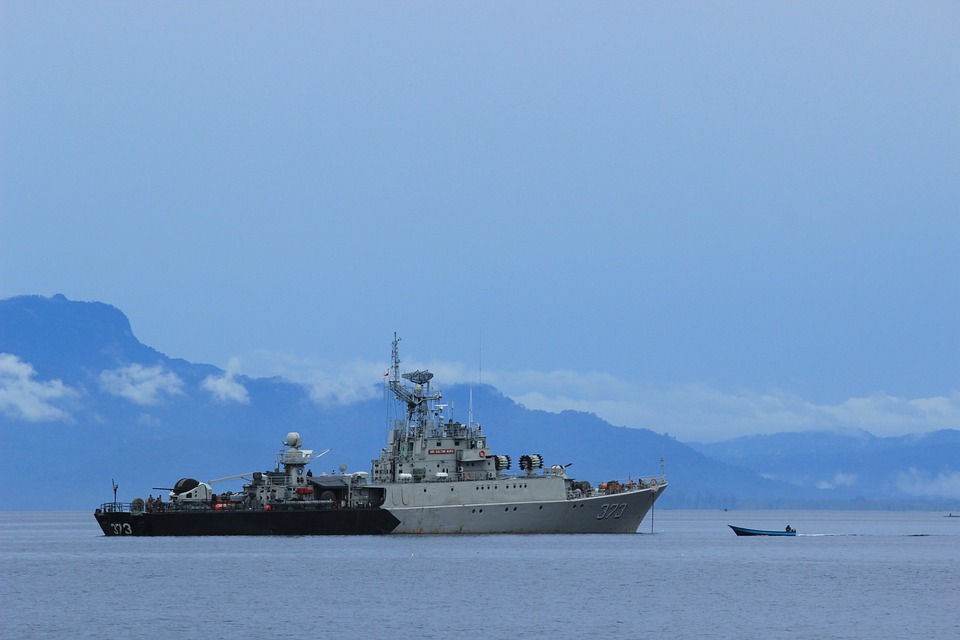
China is looking to make more aggressive efforts in assuming control over the majority of the South China Sea, angering the surrounding nations. An expert has claimed that amid tensions over the body of water, China is likely looking into hiding ballistic missiles in parts of the waters.
Tensions over the South China Sea are high as of late. According to Chatham House Asia-Pacific Program Associate Fellow Bill Hayton, China is likely adopting a defense strategy that involves hiding ballistic missiles in parts of the disputed waters. China made sweeping claims of sovereignty over the South China Sea, citing its nine-dash line but has been rejected by an international tribunal.
Hayton explained the move, citing that China may hide missiles in the waters as part of a defense against nuclear retaliation. Hayton also explained that China’s nine-dash line is not as historic as Beijing claims it to be, noting that they did not claim sovereignty over the waters until World War 2 and that they are doing so in order to extract resources.
“I think China has several objections in the South China Sea,” Hayton told Express. “Underlining it all is a belief that the rocks and the reefs within this nine-dash line belong to China. My own historical research has shown that that’s a bit of a myth. China didn’t claim the rocks and reefs in the southern part of the sea until World War II. The idea that this is an ancient historic claim is wrong. But it also, I think is looking to extract oil and gas as well as harvest all the fish in the South China Sea.”
China has previously been revealed to be building an “underwater Great Wall” in the disputed waters in order to spy on other countries. This is among several of its surveillance platforms that are laid out in the South China Sea.
The US has also opposed China’s sweeping claims, supporting other countries, including the Philippines. This week, US Defense Secretary Lloyd Austin reached an agreement with Philippine President Rodrigo Duterte to maintain the military treaty between the two countries called the Visiting Forces Agreement. The treaty would allow both countries to continue conducting joint military exercises amidst concerns that China is growing increasingly aggressive.







