


 US Supreme Court Denies Release of Anti-ICE Activist Kyle Wagner
  Jordan Bardella Antisemitism Allegations Threaten Le Pen’s Campaign
  MI5 Warns of Rising Iran, Russia Threats and AI Bioweapon Risks
  Mahmoud Abbas Postpones Palestinian Elections to September 2027
  Zelenskiy Seeks New US Talks to Revive Ukraine-Russia Peace Negotiations
  US Authorities Raid Ilhan Omar’s Home Amid Immigration Fraud Probe
  Trump Announces Russia-Ukraine Energy Ceasefire as Zelenskiy Awaits Details
  Flavio Bolsonaro Backs Brazil’s 40-Hour Workweek Reform Ahead of Runoff
  Trump Denies Russia and China Are Helping Iran in U.S. Conflict
  Elon Musk Donates $366 Million to 2026 US Midterms
  North Korea Fires Ballistic Missiles Amid Rising Tensions With South Korea
  US Senate Midterms 2026: Key Races That Could Flip Control
  Trump Defends Russian Diesel Deal Amid US Sanctions Backlash
  Pakistan Declares Emergency in Khyber Pakhtunkhwa, Suspends Imran Khan’s PTI Government
  Kim Jong Un Showcases ICBM Ahead of Possible Trump Meeting
  US Condemns China Sanctions on Taiwan Allies Belize and Paraguay
  India Voter List Protests Reach Supreme Court as Opposition Demands Election Chief's Resignation


 Add as a preferred source on Google
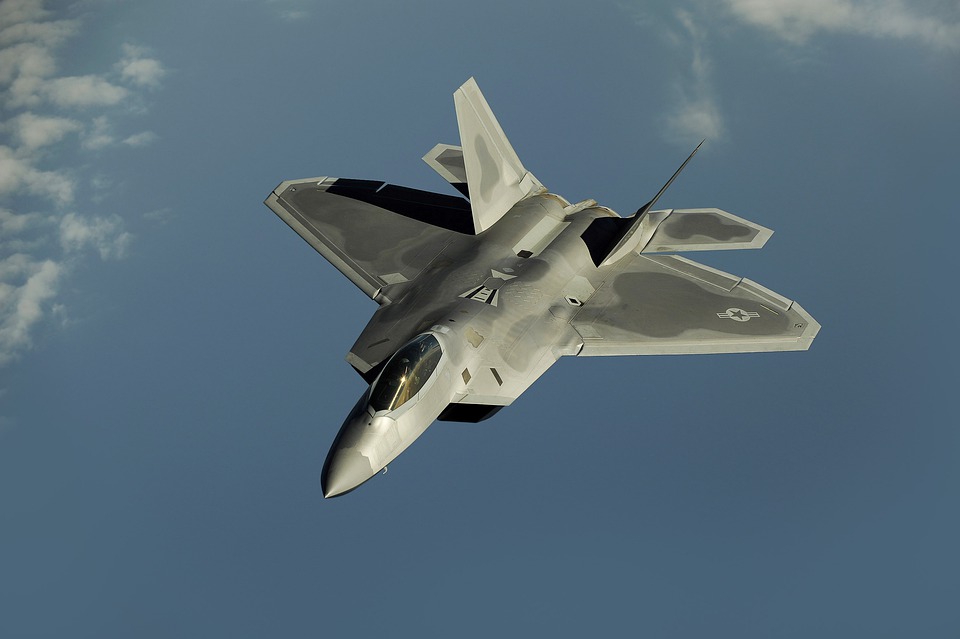
As tensions remain in the region regarding Taiwan, the island nation has also looked to bolster its defenses. Taiwan this week displayed its newest warplane, which is also locally designed and manufactured.
Reuters reports that Taiwan’s air force touted its new jet trainer aircraft this week, showing off its capabilities as it is set to replace the old, existing equipment. The new AT-5 Brave Eagle aircraft is manufactured by the state-owned Aerospace Industrial Development Corp. with a budget of $2.3 billion and carried out its first test flight back in 2020.
The AT-5 aircraft is the island’s first locally-made jet since the F-CK-1 Ching-kuo Indigenous Defense Fighter or IDF, which was deployed over 30 years ago. Both aircraft look similar to each other and have similar capabilities.
Three Brave Eagles took to the air at the Chihhang air base in Taitung, on the east coast of Taiwan, in front of the press. Flight training officer Chang Chong-hao said the Brave Eagle was capable of both air-to-air and air-to-ground combat training and could land and take off even with a short runway.
The Brave Eagle trainer can also be equipped with weapons, but the capability is still to be tested. The aircraft is also designed to have a support function in case of war.
Taiwan’s air force plans on getting 66 Brave Eagle units by 2026 to replace the old AT-3 and F-5 training aircraft, which have experienced crashes in recent years.
The United States mostly supplies Taiwan’s military, but Taiwanese President Tsai Ing-wen has looked to prioritize the development of an advanced domestic defense industry amidst tensions with China, which claims the island as part of its territory.
Last week, Taiwan’s Premier Su Tseng-chang made grim remarks on the 25th anniversary of Hong Kong’s return to China after being a British colony. Su told reporters that the promises China has made over Hong Kong were not kept.
This also comes as most people in Taiwan have no desire to be governed by Beijing, and the island’s democratic government has constantly rejected China’s “one country, two systems” offer as it has with Hong Kong and Macau.
“It’s only been 25 years, and in the past, the promise was 50 years of no change. The ‘dancing will go on and the horses still run’ has disappeared and even freedom and democracy have vanished,” said Su, referring to a Hong Kong expression of how life will not change under Beijing’s rule.







