


 Greenland Lawmakers Back Trump Security Deal Despite Economic Concerns
  European Auto Stocks Rise as EU-China Trade Deal Targets Hybrid Imports
  Jordan Bardella Antisemitism Allegations Threaten Le Pen’s Campaign
  MI5 Warns of Rising Iran, Russia Threats and AI Bioweapon Risks
  Trump Warns Houthis Over Attacks, Considers Erdogan Intervention
  Kim Jong Un Showcases ICBM Ahead of Possible Trump Meeting
  Zelenskiy Says Ukraine Received No Warning Before Russian Missile Attack
  US Condemns China Sanctions on Taiwan Allies Belize and Paraguay
  US Senate Midterms 2026: Key Races That Could Flip Control
  Trump Plans White House Shake-Up of Key AI Safety Agency
  Trump Denies Russia and China Are Helping Iran in U.S. Conflict
  US Supreme Court Denies Release of Anti-ICE Activist Kyle Wagner
  Trump Defends Russian Diesel Deal Amid US Sanctions Backlash
  NATO Commander Warns Russia of Devastating Response to Attack
  Mahmoud Abbas Postpones Palestinian Elections to September 2027
  Trump Sanctions International Criminal Court, Sparking EU Backlash
  North Korea Fires Ballistic Missiles as Tensions With South Korea Escalate


 Add as a preferred source on Google
Lawmakers in the US are looking to increase support for Taiwan as it continues to be under pressure from China, which claims the island as part of its territory. Senators introduced legislation that would expand the country’s support for the island nation in terms of security.
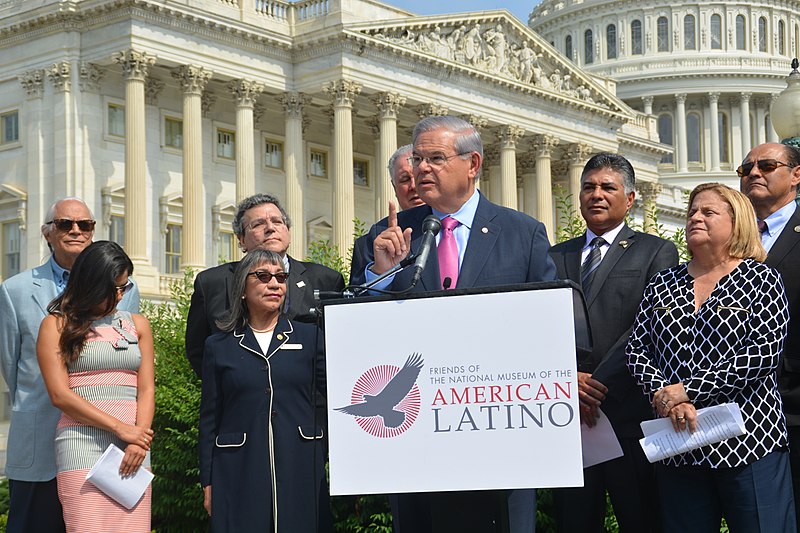
Reuters reports two US Senators, Democrat Bob Menendez and Republican Lindsey Graham, introduced legislation that would significantly increase support for Taiwan. Among the provisions in the legislation include allocating billions of dollars in US security assistance and changes to the law between Washington and Taiwan.
The bill comes at a time when relations between the US and China have been under significant strain, the lowest in decades. Washington has expressed support for Taiwan and has accused Beijing of increasing military coercion on the island. The US is also Taiwan’s main arms supplier under the law between the island nation and Washington.
The legislation named the Taiwan Policy Act of 2022 will impose severe sanctions on China for any aggression towards Taiwan and would provide $4.5 billion in foreign military funding for the next four years and designate the island as a “major non-NATO ally.”
Menendez and Graham said it would be the most comprehensive restructuring of the US policy on Taiwan since the Taiwan Relations Act was established in 1979.
“As Beijing continues to seek and coerce and isolate Taiwan, there should be no doubt or ambiguity about the depth and strength of our determination to stand with the people of Taiwan and their democracy,” said Menendez, who chairs the Senate Foreign Relations Committee, in a statement.
Taiwan has repeatedly rejected China’s claims of sovereignty over the island, saying that the people of Taiwan are the only ones who should decide their own future.
Recently, the island accused Beijing of “bullying” Monday after the organizers of the World Cup in Qatar changed the reference of Taiwanese visitors applying for an ID that would also serve as an entry visa to list their nationality as “Chinese Taipei.”
Taiwan’s foreign ministry condemned the move, saying the organizers of the event were “unable to strictly reject the intervention of political forces.”







