South Korea is confronting a growing crisis of industrial accidents, highlighted by the story of Kim Yong-ho, a Hyundai Steel worker who narrowly survived being crushed by a 200-kilogram industrial press in 2019. Believing the machine was safely shut down during maintenance, Kim was pinned under its weight until a coworker intervened. Now 39, he says the traumatic experience still follows him—yet he returned to the same job because he needed the income, despite seeing no meaningful safety improvements.
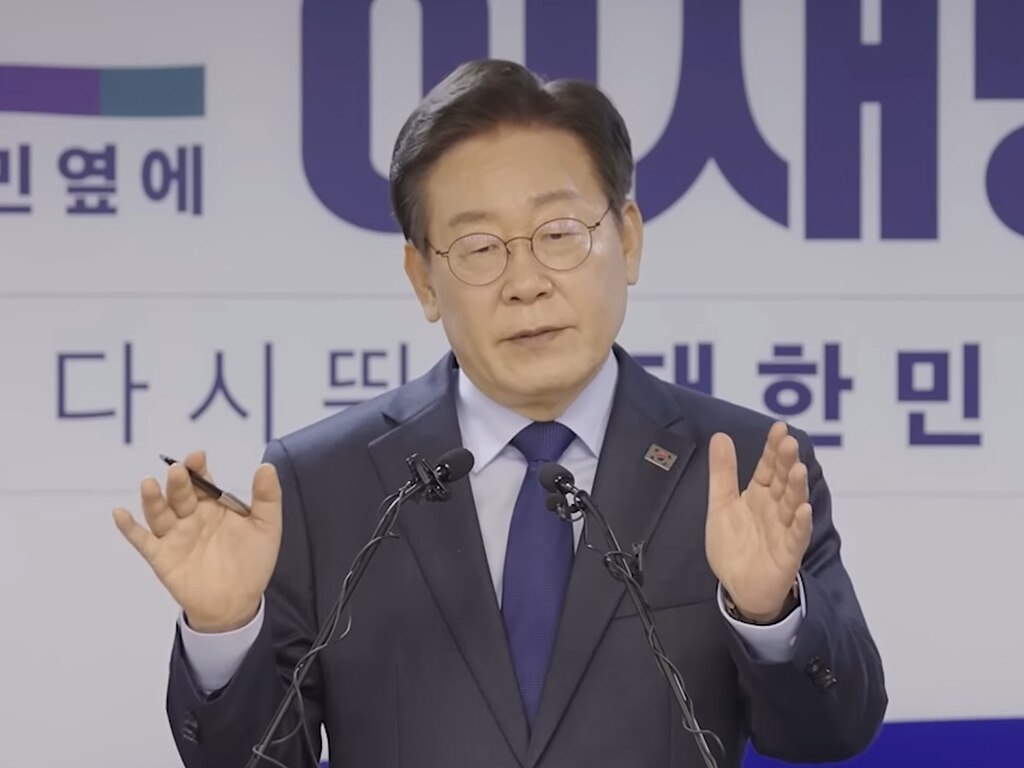
President Lee Jae Myung, who himself suffered serious injuries as a young laborer, has made reducing South Korea’s high workplace fatality rate a central pledge. Calling many job sites “workplaces of death,” Lee’s administration has launched raids on companies, increased safety-related spending, expanded protections for subcontracted workers, and pushed firms to adopt safer working conditions. The 2026 Labour Ministry budget allocates 37 trillion won ($27 billion) for accident prevention and introduces fines of up to 5% of a company’s operating profit for workplaces recording three or more deaths in a year.
Some companies have reacted swiftly. SPC Group reduced demanding 12-hour shifts to eight after a fatality, POSCO E&C halted over 100 construction sites following on-site deaths, and Hanwha Ocean temporarily suspended operations after a supervisor’s death. Yet critics argue the government’s strategy leans too heavily on punishment rather than meaningful, preventive change. With 3.9 deaths per 100,000 workers—far above the OECD average—experts say South Korea’s issues stem not from a lack of regulation but from systemic problems such as layered subcontracting and a culture that tolerates risk for economic gain.
The country’s Serious Accidents Punishment Act now applies to smaller workplaces, but fatalities have continued to rise, reaching 2,098 in 2024. Many employers found guilty receive probation and relatively small fines, fueling skepticism about true accountability.
Labour Minister Kim Young-hoon insists the reforms are sincere and long overdue. Unions, however, say companies still outsource hazardous work to avoid responsibility, pointing to recent deadly collapses such as the Ulsan power plant incident.
For survivors like Kim Yong-ho, promises of reform feel distant. “Nothing has changed after I returned,” he says—a stark reminder of the urgent need for safer workplaces across South Korea.