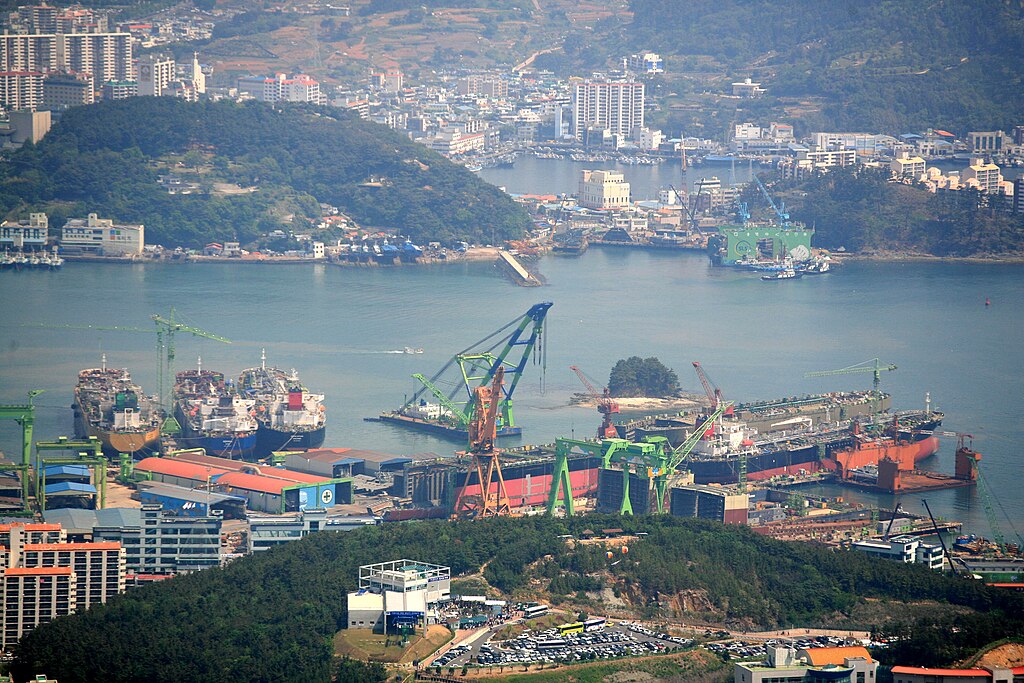
South Korea’s manufacturing sector contracted for a fourth straight month in May, hit by weak domestic demand and rising U.S. trade tariffs, according to the latest S&P Global Purchasing Managers’ Index (PMI). The PMI edged up slightly to 47.7 in May from 47.5 in April but remained below the key 50 threshold that separates expansion from contraction.
The data points to deepening concerns for Asia’s fourth-largest economy, where new orders saw their steepest decline since June 2020. Factory output also dropped at the fastest pace in over two and a half years, signaling a worsening downturn.
S&P Global economist Usamah Bhatti said the sector entered May “on an unstable footing,” with businesses citing sluggish domestic conditions and the growing impact of higher U.S. tariffs on both local and export markets.
The prolonged contraction reflects broader economic struggles. South Korea's economy unexpectedly shrank in the first quarter, and recent wildfires and political uncertainty have added to the instability. U.S. President Donald Trump’s tariff hikes have further strained export-dependent industries.
In response, the Bank of Korea slashed interest rates for the fourth time this cycle and cut its 2025 economic growth forecast nearly in half to 0.8%, just ahead of a pivotal presidential election.
The PMI report also showed a continued fall in backlogs, marking the sharpest decline in nearly five years, driven by weak incoming orders. Still, manufacturers expressed cautious optimism, with sentiment rebounding slightly in May after dipping in April, driven by hopes of easing trade tensions. However, the outlook remains modest due to ongoing tariff concerns and lingering demand weakness.
South Korea’s manufacturing outlook remains fragile as it navigates global trade pressures and domestic economic headwinds.