South Korea is accelerating trade negotiations with the United States after President Donald Trump announced a 25% tariff on Korean goods, set to take effect August 1. Trump’s letter to President Lee Jae Myung, shared on his social media, signaled a “grace period,” giving both sides time to strike a deal.
South Korea’s Industry Ministry interpreted the letter as an opportunity to resolve uncertainties and emphasized plans to use the talks to address the U.S. trade deficit and boost domestic industries via a “manufacturing renaissance partnership.” The U.S. has voiced concerns over a lack of reciprocal access to South Korea’s markets, despite near-zero tariff rates under the 2007 free trade agreement, revised in 2018.
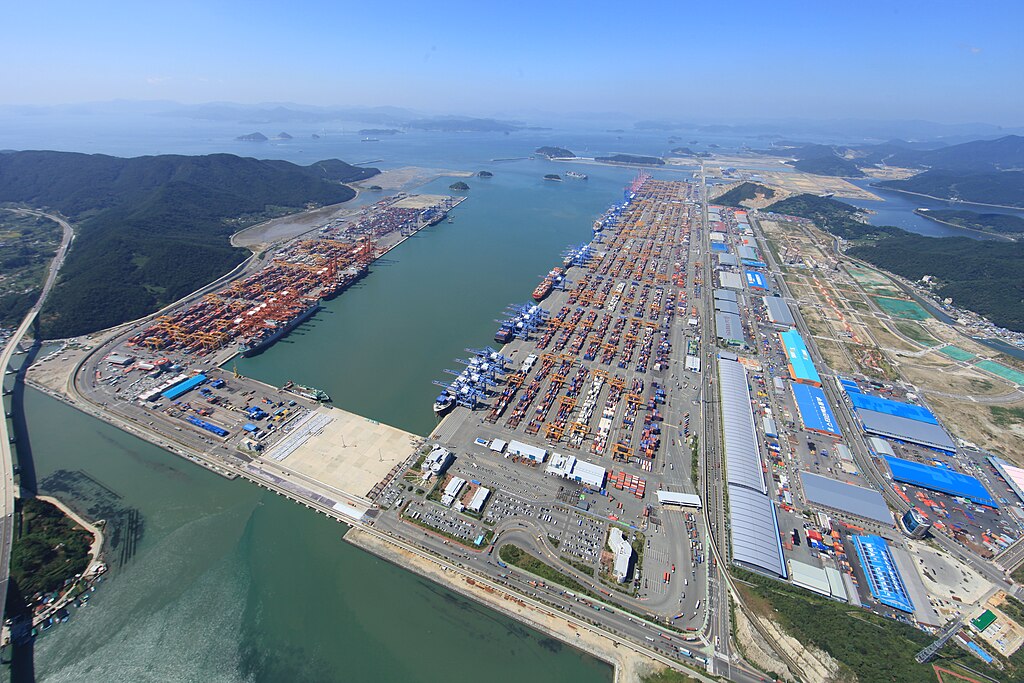
In 2024, South Korea posted a record $55.6 billion trade surplus with the U.S., up 25% from 2023, driven by strong car exports, according to Korea Customs Service data. Trump criticized the imbalance, urging South Korea to eliminate tariff and non-tariff barriers and open closed sectors.
High-level South Korean officials, including the top trade envoy and National Security Advisor Wi Sung-lac, are currently in Washington to push for an exemption. Wi met U.S. Secretary of State Marco Rubio, who echoed Trump’s willingness to negotiate and noted that time remains to finalize a deal before August.
President Lee, who took office on June 4 after a turbulent political transition, blamed previous delays on the former administration’s martial law declaration in December, which hindered earlier negotiations. The Industry Ministry admitted that time constraints limited progress but expressed strong intent to reach a mutually beneficial outcome before the tariff deadline.
Trump also hinted at flexibility, saying the August 1 deadline is “firm, but not 100% firm,” leaving room for proposals.