South Korea is pushing back against U.S. President Donald Trump’s demand for a $350 billion upfront investment as part of a trade deal to reduce tariffs. According to Seoul’s top national security adviser, Wi Sung-lac, such a massive cash outlay is unrealistic and could plunge Asia’s fourth-largest economy into a financial crisis.
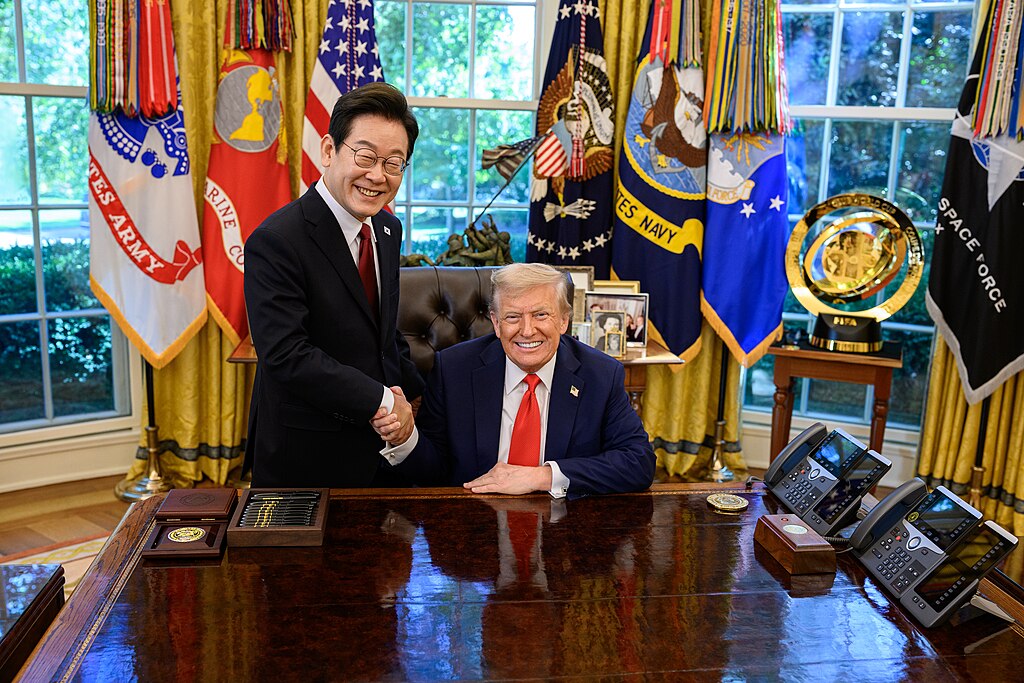
The dispute stems from a July agreement between Trump and South Korean President Lee Jae Myung to lower U.S. tariffs on South Korean goods from 25% to 15%. In exchange, South Korea pledged $350 billion toward U.S. projects. However, Seoul clarified that the funds were never intended as an immediate cash payment but rather structured through loans, guarantees, and equity investments.
Trump has recently insisted that the amount must be provided “upfront,” touting the supposed inflow of funds from trade partners. He even compared South Korea’s contribution to Japan’s $550 billion commitment. South Korea, however, has resisted Washington’s push for direct control over the funds, creating a deadlock in negotiations.
President Lee highlighted the risks of such an upfront payment, noting that South Korea’s foreign exchange reserves currently stand at $410 billion. Without safeguards like a currency swap with the U.S., he warned, the country could face a severe economic crisis if forced to provide cash immediately.
Wi emphasized that Seoul’s stance is not a negotiating tactic but a reflection of financial reality. He confirmed that South Korea is working on alternative proposals and aims to finalize a trade deal with the United States during the upcoming APEC summit, which Trump is expected to attend.
The issue underscores the strain in U.S.-South Korea trade relations, as both allies seek to balance economic cooperation with financial stability. For Seoul, the priority is securing an arrangement that supports investment while avoiding a liquidity crisis that could destabilize its economy.