


 Trump Secures Russian Diesel Deal as US Fuel Prices Surge
  Moonshot AI Executives Seek Settlement Ahead of Hong Kong IPO
  Deutsche Bank CEO Urges Faster German Economic Reforms
  Visa Wins China Approval to Prepare Domestic Payments Expansion
  Trump Defends Russian Diesel Deal Amid US Sanctions Backlash
  Gold Prices Rise Above $4,200 as Russia-Ukraine Energy Truce Eases Oil Concerns
  Samsung, SK Hynix Shares Plunge as China Chip Competition Grows
  Asian Stocks Plunge as AI Chip Selloff Hits South Korea and Japan
  FAA Warns US Airlines Over Saudi Arabia Flight Risks
  Meta Launches Muse Wonder AI Models, Shares Rise 3.7%
  Most Americans Oppose Election Betting on Prediction Markets, Poll Finds
  IMF, World Bank Meetings Face Global Economic Risks Amid Iran War
  Samsung, SK Hynix Shares Fall as China's CXMT Advances DRAM Technology
  Morgan Stanley Predicts $10 Trillion RWA Market by 2030
  European Auto Stocks Rise as EU-China Trade Deal Targets Hybrid Imports
  RBA Signals More Rate Hikes as Inflation Risks Rise
  Airbus Tests Valkyrie Combat Drone in Europe for Eurofighter Integration


 Add as a preferred source on Google
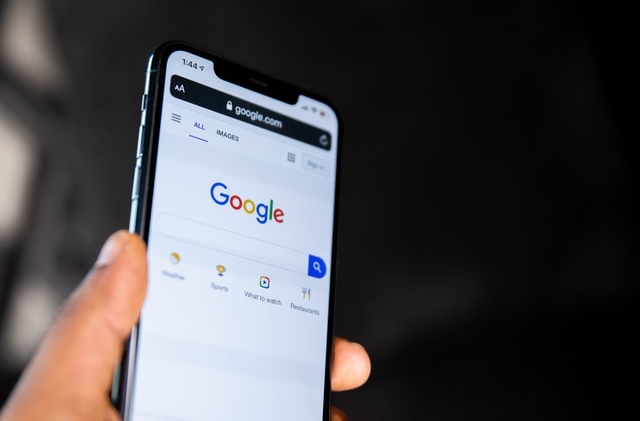
South Korea finally passed the law that will regulate Google and Apple’s in-store payment policies. On Tuesday, Aug. 31, the National Assembly finalized and approved the bill and made the country the very first in the world to forbid app stores from restricting payments to a specific method.
According to Korea Joongang Daily, the bill was based on the revised version of the existing Telecommunications Business Act that was approved by the Legislation and Judiciary Committee last week. For the new law, it was reported that 188 representatives attended the meeting during the plenary session and 180 voted for its approval and no one voted against it. The remaining eight people have abstained.
Now that it has been passed, South Korea will no longer allow app store operators from obligating customers and application developers to use the company’s preferred billing systems for all in-app purchases. Rather, they can now freely choose the options they want, and most importantly, the payment of commissions is not required.
The “Anti-Google bill” that was passed in South Korea regarding app store payments is actually not just an issue in this country but other nations are also looking into this. Many countries have also been arguing with Google and Apple for the commissions and policies on app purchases on their app store platforms.
The Korean government will start implementing the bill within 15 days so it means that Google’s new in-app purchase system that it said will take effect in October will no longer be applicable in S. Korea. The American tech company announced in July that it will lower its 30% commission in purchases on its Google Play Store but apparently, this cannot be implemented any longer.
“We hope that the revision of the Telecommunications Business Act will create a fair app ecosystem where the rights of creators and developers are ensured and users are provided with diverse content at cheaper prices,” Korea Internet Corporations Association’s chairman, Park Seong Ho, said in a statement.
Meanwhile, CNBC reported that S. Korea’s decision will have a ripple effect and is likely to influence other countries as well. The move has been described as the first step to fully regulate app operators and help protect app developers and consumers as well.







