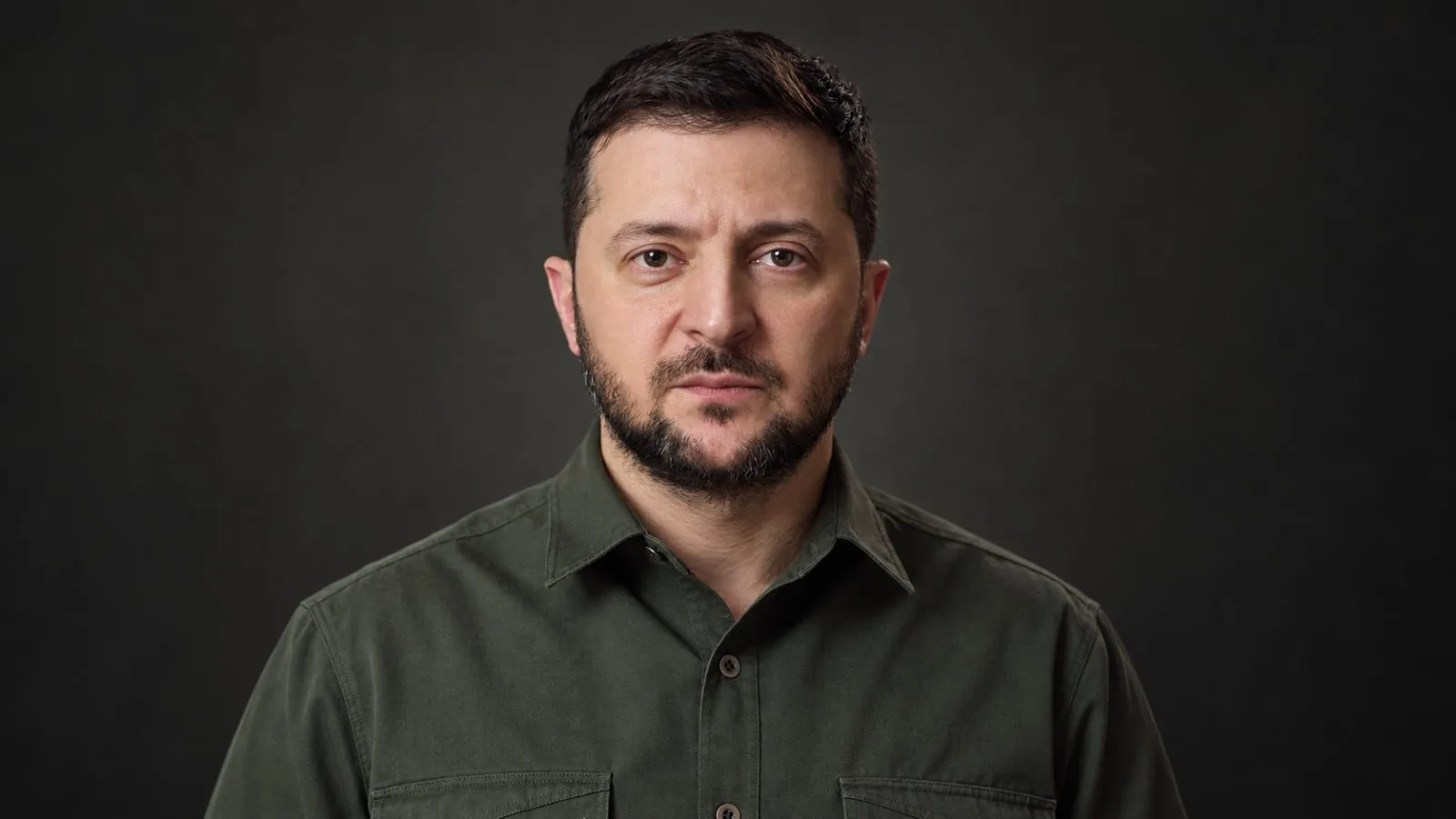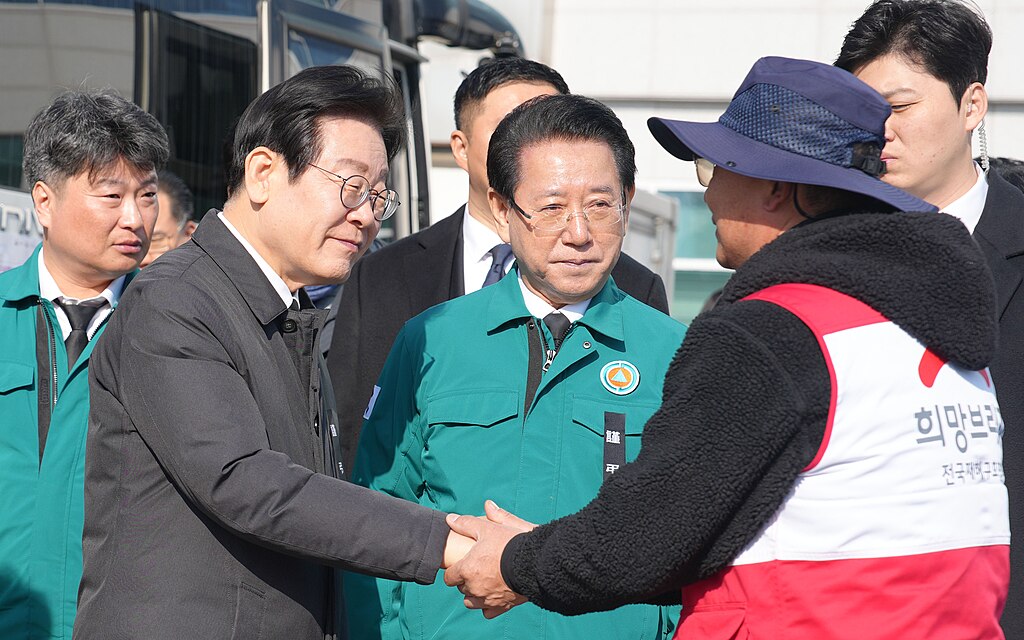
South Korea’s top presidential candidates will face off in their first televised debate on Sunday evening, ahead of the June 3 snap election triggered by the impeachment of former President Yoon Suk Yeol. Yoon was ousted last month after declaring a short-lived martial law on December 3, sparking widespread political unrest.
The debate, the first of three scheduled over the next two weeks, will focus on key economic issues as the country grapples with a contracting economy. Asia’s fourth-largest economy shrank in the first quarter, weighed down by weak exports and sluggish domestic consumption, amid concerns over U.S. tariffs and ongoing political instability.
Following U.S. President Donald Trump's imposition of 25% tariffs on South Korean goods in April, Seoul initiated direct trade talks with Washington, seeking exemptions similar to those pursued by Japan.
Frontrunner Lee Jae-myung of the Democratic Party leads with 51% support in the latest Gallup Korea poll, while Kim Moon-soo of the conservative People Power Party trails at 29%. Lee has pledged 100 trillion won ($71.5 billion) in artificial intelligence investments and proposed a 10% production tax credit for domestic semiconductor manufacturers. Kim, meanwhile, promises to allocate over 5% of the national budget to R&D and establish a government agency to streamline regulations.
Lee also called for constitutional reform to introduce a two-term, four-year presidency and a runoff voting system, along with curbing the presidential power to declare martial law. He vowed accountability for the December 3 martial law declaration, stating, “We must gather the people’s strength to root them out and strictly hold them accountable.”
The outcome of this election will determine South Korea’s economic direction and democratic stability in the post-Yoon era.