Illegally caught ocean seafood represents up to one-third of all imported into the United States, many of which were meant to cheat end-users, according to Oceana, a marine environmental organization.
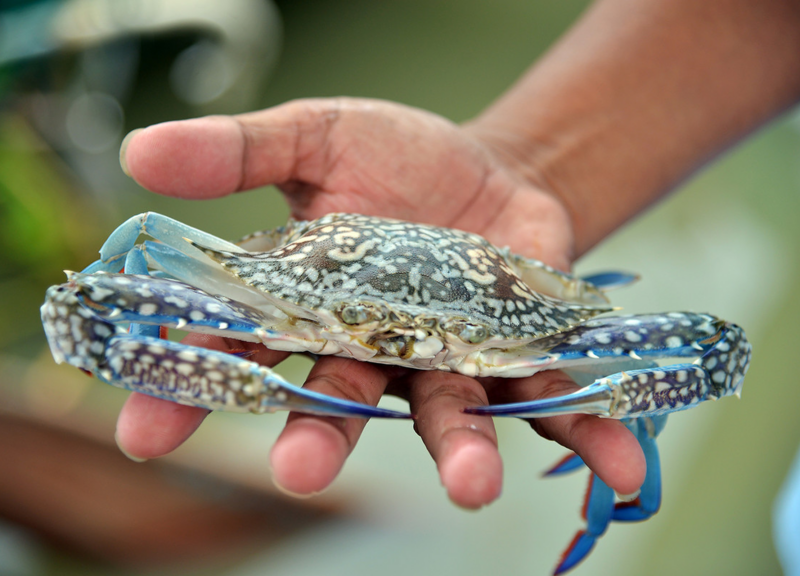
As an example of cheating end-users, Oceana noted that stocks of blue swimming crab from the Philippines are being used for crab cakes in place of more expensive Chesapeake Bay blue crabs, even if that’s what a restaurant advertises.
Consequently, the Philippines’ blue swimming crabs are being depleted due to the high demand in the US for crab cakes.
The environmental organization made the revelation due to the devastating and cascading impacts on both the environment and local economies caused by illegal fishing.
Oceana’s figure of one-third is way higher than the US government estimate that $2.4 billion worth of seafood imports in 2019, about 13 percent of the total, were caught from protected fishing areas, with illegal gear or techniques, or otherwise problematic.
A bill approved by a US House committee last fall awaiting a floor vote would partly address the problems by expanding the government’s seafood import monitoring program.