


 Samsung, SK Hynix Shares Fall as China's CXMT Advances DRAM Technology
  Apple Supplier Luxshare Sees Limited Impact From US Patent Probe
  Amazon Cuts More Jobs as AI Investment Expands
  Yandex Data Center Hit by Drone Strike as Russia-Ukraine Cyber Infrastructure Attacks Escalate
  Moonshot AI Executives Seek Settlement Ahead of Hong Kong IPO
  Jameson Lopp Downplays AI Threat to Bitcoin Cryptography
  Samsung, SK Hynix Shares Plunge as China Chip Competition Grows
  OpenAI Annualized Revenue Hits $50 Billion, Below Earlier Estimates
  Robinhood Chain Eyes Priority Gas Auctions for Faster Trades
  Amazon in Talks to Acquire AI Startup Decart for $7 Billion
  US Suspends Microsoft, Adobe From Green Card Program
  OpenAI Revenue Hits $50 Billion, Below Earlier $70 Billion Estimate
  Meta Launches Muse Wonder AI Models, Shares Rise 3.7%
  Apple Supplier Luxshare Faces US Patent Probe, Sees Limited Impact
  Elon Musk Accuses Indian Telecom Giants of Blocking Starlink Launch


 Add as a preferred source on Google
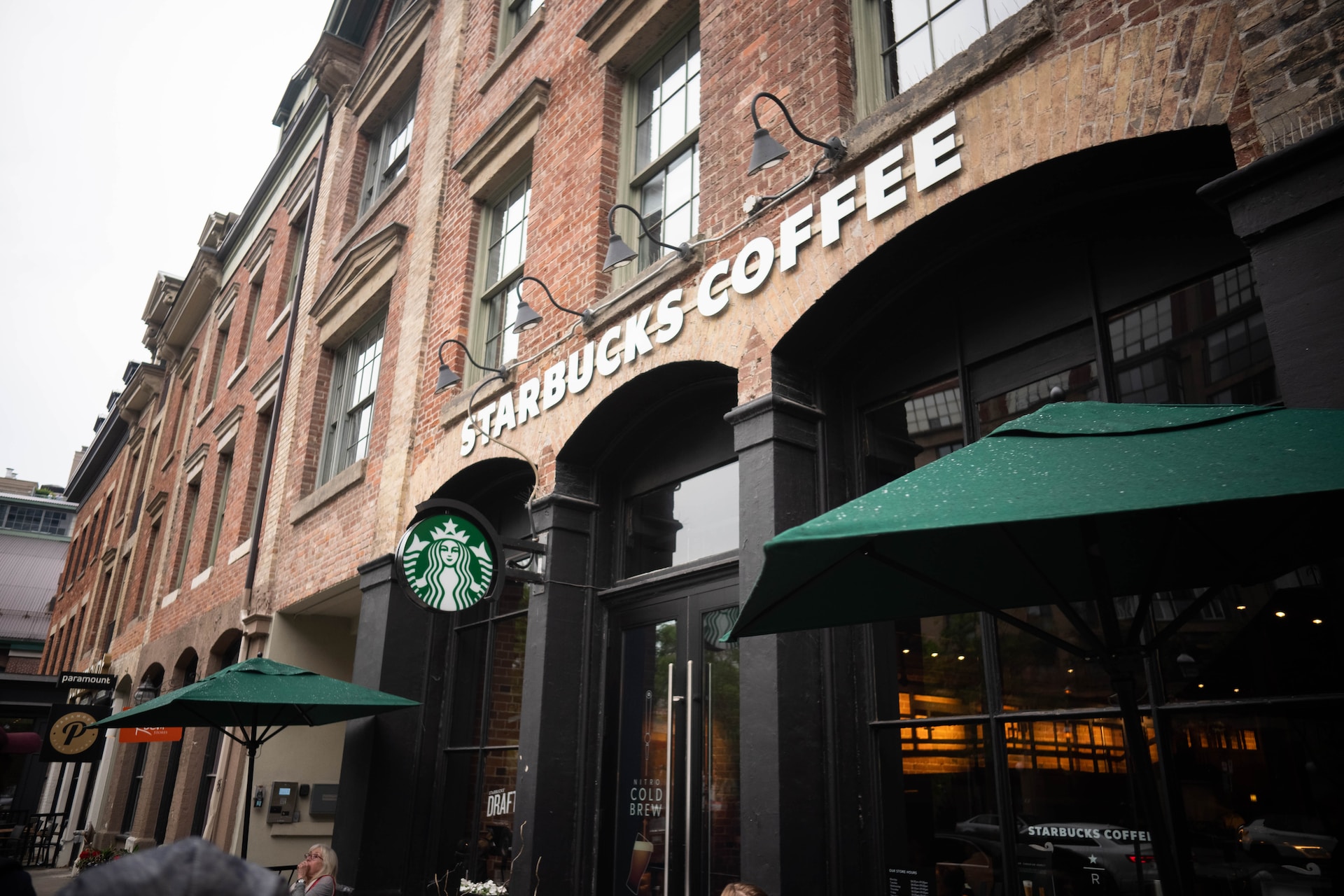
In a December complaint to Washington's Attorney General, a consumer protection group said Starbucks' mobile app traps consumers in a vicious loop of beverage purchasing. The mobile app of the coffee business purportedly employs "dark patterns" to render low funds on a Starbucks Card unusable, compelling you to add $10 or lose that money entirely.
Starbucks App Traps Users In A 'Vicious Cycle' Of Shaken Espresso
“The Starbucks Payment Platform involves unfair and deceptive digital dark patterns that effectively trap its customers into prepaying for the company’s services. The Attorney General should take immediate action to put a stop to Starbucks’ unfair and deceptive conduct and make Washington’s consumers whole for the harms it has caused them,” the Washington Consumer Protection Coalition stated in a letter dated Dec. 19.
“Starbucks is committed to working with the State of Washington to ensure it remains in compliance with all state laws and regulations,” Starbucks said in an official statement.
The consumer advocate refers to these tactics as "dark patterns," which are methods that software might subtly lure users into doing things they didn't intend to do, such as spending more money or giving information.
Washington AG Fines Google $40 Million for Misleading Location Tracking Practices
The Attorney General of Washington recently ordered Google to pay $40 million for shady practices including misleading location monitoring, in which Google acquired location data on customers without their consent.
According to the Washington Consumer Protection Coalition, this is just another instance of dark pattern deception, and the practice of "the capacity to deceive substantial portions of the public" is prohibited.
In 2022, the Federal Trade Commission identified common dark trends, such as difficult-to-cancel subscriptions, concealed garbage fees, and luring consumers into disclosing data. "Our report shows how more and more companies are using digital dark patterns to trick people into buying products and giving away their personal information," Samuel Levine, Director of the FTC's Bureau of Consumer Protection, said at the time the report was released.
Photo: TR/Unsplash







