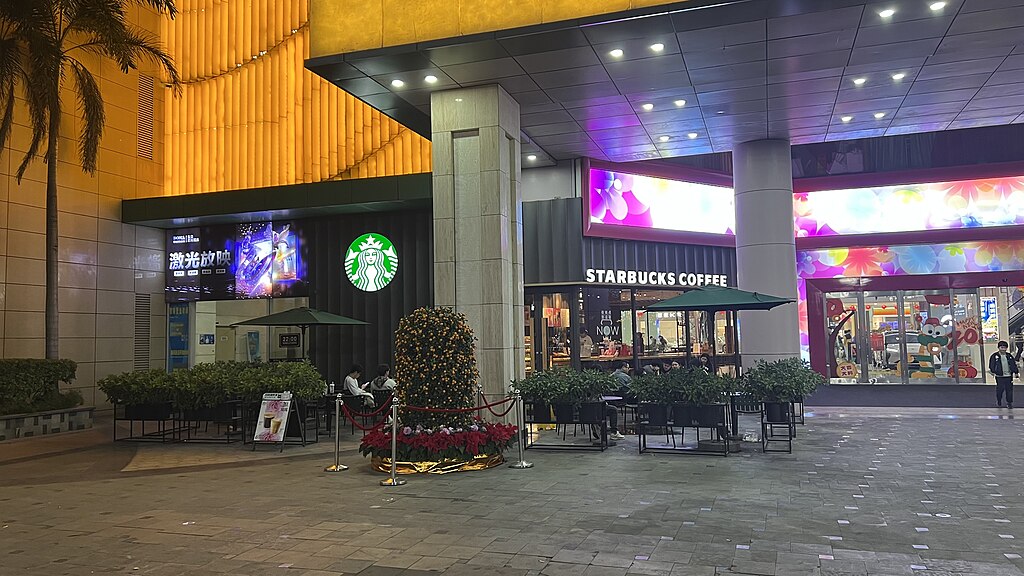
Starbucks has announced a major restructuring of its China operations, agreeing to sell control to Hong Kong-based investment firm Boyu Capital in a deal valued at approximately $4 billion. The agreement marks one of the largest divestments by a global consumer brand in China in recent years, signaling Starbucks’ strategic shift amid intensifying competition and a slowing economy.
Under the deal, Starbucks and Boyu will form a joint venture in which Boyu Capital will hold up to 60% ownership of Starbucks’ retail business in China. Starbucks will retain the remaining 40% stake, continuing to own and license its brand and intellectual property to the new entity. The Seattle-based coffee giant expects that combined proceeds from the sale, along with licensing and retained equity, will generate over $13 billion across the next decade. Following the announcement, Starbucks shares rose about 3% in after-hours trading.
Starbucks, which pioneered China’s modern coffee culture after entering the market in 1999, has seen its market share fall dramatically—from 34% in 2019 to 14% in 2023, according to Euromonitor International. The decline is largely due to fierce competition from local chains like Luckin Coffee and Cotti Coffee, which attract budget-conscious consumers with lower prices. Luckin now operates more than 20,000 stores across China, overshadowing Starbucks’ 7,800 outlets.
To regain momentum, Starbucks has adjusted prices on select beverages and introduced new, localized menu items. Analysts suggest the brand should lean into its traditional strength as a “third place” for social connection rather than engaging in a price war.
The move mirrors McDonald’s 2017 decision to sell a majority stake in its China and Hong Kong units to CITIC and partners—widely viewed as a successful model. Boyu Capital, co-founded in 2010 by Alvin Jiang, the grandson of former Chinese President Jiang Zemin, has a strong investment record across consumer, retail, healthcare, and technology sectors.
This partnership aims to strengthen Starbucks’ presence in the world’s second-largest coffee market while adapting to local dynamics and political sensitivities, as U.S.-China tensions continue to pose risks for multinational companies.