


 Mahmoud Khalil Sues Columbia Over Alleged Pro-Palestinian Harassment
  Countries Tighten Social Media Bans for Children
  Bill Gates Warns Governments Are Unprepared for AI Disruption
  Judge Blocks Trump Rule Limiting Foreign Student Visas
  Trump Open to Chinese Automakers Building Cars in US
  New Zealand Labour Backs Social Media Ban for Under-16s
  Sara Duterte Posts Bail Over Grave Threats Case
  US Immigration Arrests Surge as Deportations Lag Behind
  Texas Republicans Turn Against AI Data Centers as Election Backlash Grows
  Houthis Escalate Saudi Attacks as Red Sea Oil Risks Grow
  Australia Plans New Rules Giving Users Control Over Social Media Feeds
  U.S. Imposes New Visa Restrictions Over South Africa Policies
  Ukraine Tests New Anti-Drone Weapon After Successful Shahed Intercept
  China’s Global Times Slams Anthropic CEO’s AI Slowdown Plan as ‘Cold War’ Strategy
  Australia’s Corporate Leaders Face Parliament Over KPMG Client Data Scandal
  Australia Defends Social Media Algorithm Law Amid US Concerns
  OpenAI Rejects Apple Trade Secret Theft Claims


 Add as a preferred source on Google
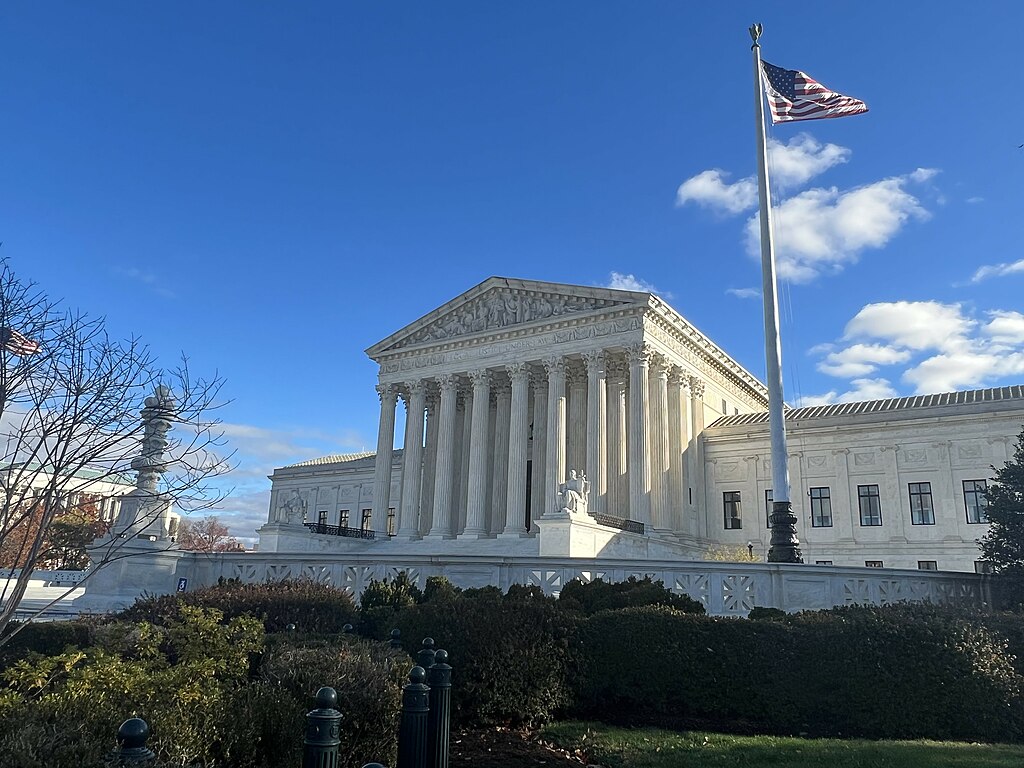
The U.S. Supreme Court has declined to hear a Republican-led appeal challenging a Pennsylvania court ruling that allows provisional ballots to be counted when voters make errors on their mail-in ballots. The justices’ decision on Friday leaves intact a 2024 Pennsylvania Supreme Court ruling supporting two Butler County voters whose mail-in ballots were rejected for lacking secrecy envelopes. They were permitted to vote provisionally, and the state court ruled those votes should count.
The Republican National Committee and Pennsylvania GOP argued that the decision undermined the authority of the state legislature, violating the U.S. Constitution’s Elections Clause, which states that rules for federal elections must be set by legislatures. Republicans had hoped the high court would provide clarity following its 2023 decision in a North Carolina redistricting case, which allowed limited judicial oversight of election laws but rejected the broader "independent state legislature" theory.
Friday’s Supreme Court action followed a prior emergency request from Republicans to block the ballots ahead of the 2024 presidential election, which the justices also denied. Notably, Donald Trump won Pennsylvania in 2024, after losing it to Joe Biden in 2020.
Provisional ballots serve as a safeguard, allowing votes to count if voter eligibility is later confirmed. In this case, Republicans argued the law doesn’t permit provisional ballots if a timely mail-in ballot was received, while Democrats contended that voters with rejected ballots should be allowed to vote provisionally.
The decision was released earlier than scheduled due to a Supreme Court software glitch, which sent out premature notifications. This follows prior incidents of accidental disclosures, including a draft ruling leak in an emergency abortion case in 2023.
The ruling marks a significant moment in ongoing debates over voting rights, election integrity, and legislative authority.







