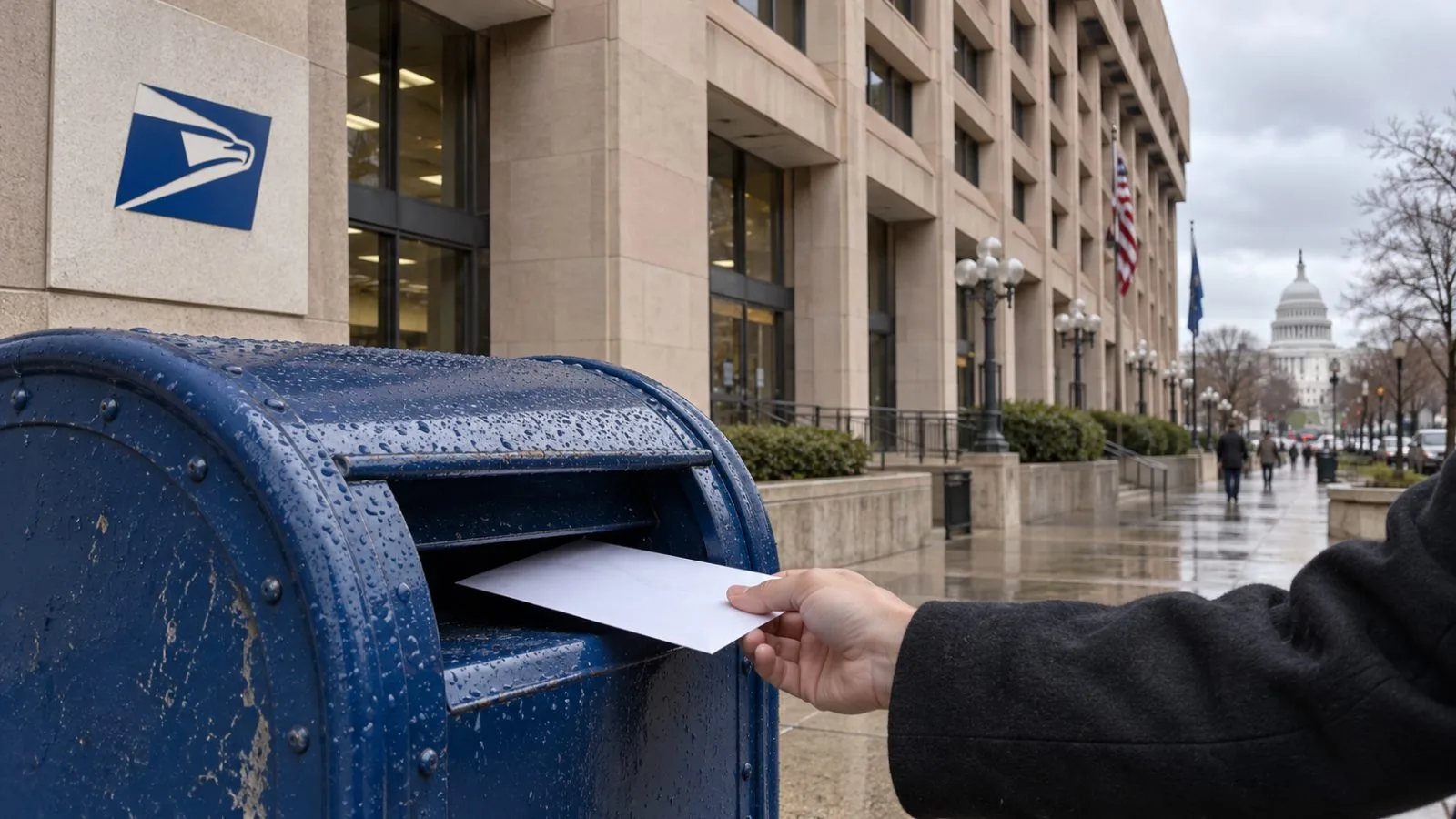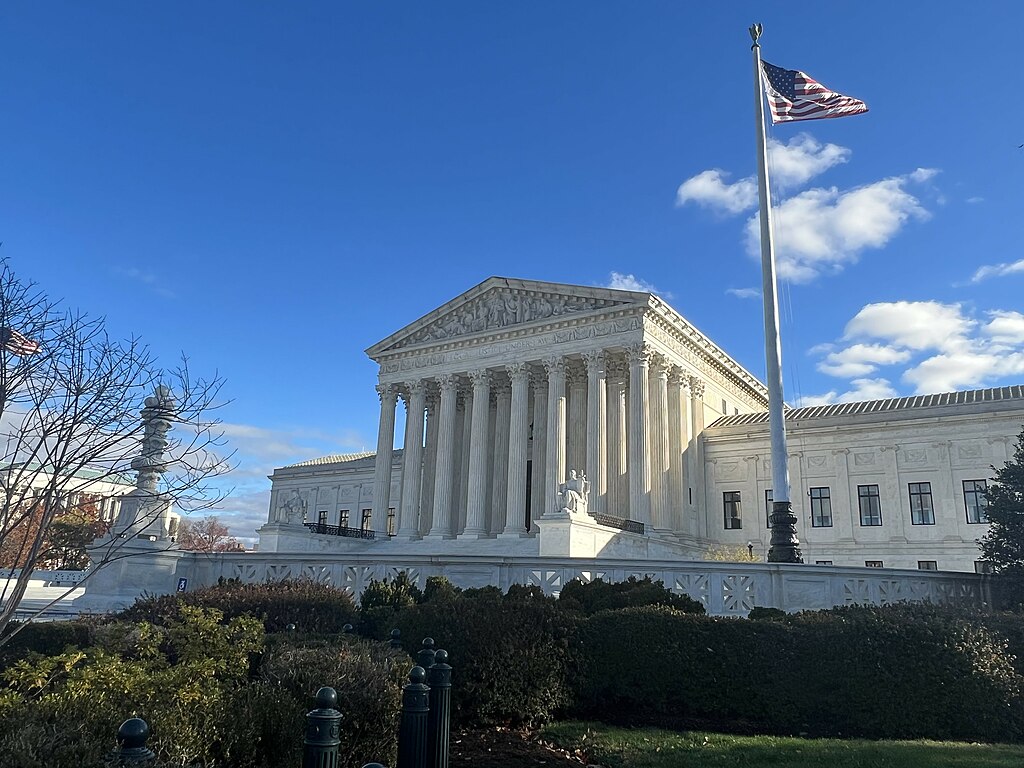
The U.S. Supreme Court appears ready to weaken one of the nation’s most important civil rights laws — the Voting Rights Act of 1965. Enacted under President Lyndon B. Johnson and championed by Martin Luther King Jr., the law outlawed racial discrimination in voting. Now, nearly 60 years later, its Section 2, which prohibits voting practices that dilute minority voting power, faces a serious threat.
The latest challenge stems from Louisiana, where Black residents make up one-third of the population. A Republican-led legislature added a second Black-majority congressional district after a court found the previous map violated Section 2. However, white voters sued, claiming the redrawn map placed too much emphasis on race and violated constitutional equal protection rights. The Supreme Court’s conservative majority signaled support for curbing Section 2’s reach during arguments on Wednesday.
The Justice Department, echoing Trump-era arguments, proposed a framework giving states greater flexibility to prioritize “race-neutral” districting principles. Legal experts warn this approach could make proving racial discrimination in redistricting cases nearly impossible. George Washington University law professor Spencer Overton said such a ruling would “effectively gut” Section 2, allowing state legislatures to entrench partisan power and marginalize minority voters.
The Voting Rights Act, strengthened in 1982 by adding the “results test,” once served as a powerful tool against systemic discrimination. But the Supreme Court has gradually weakened it — notably in the 2013 Shelby County v. Holderdecision that ended federal oversight of states with histories of discrimination. Now, justices may further erode protections under the guise of constitutional colorblindness.
If the Court limits Section 2 enforcement, analysts say Republicans could gain up to 19 congressional seats, reshaping the political map. Civil rights advocates, including the ACLU, vow to continue the fight for fair representation and equal access to the ballot box, warning that this decision could define the future of U.S. democracy.