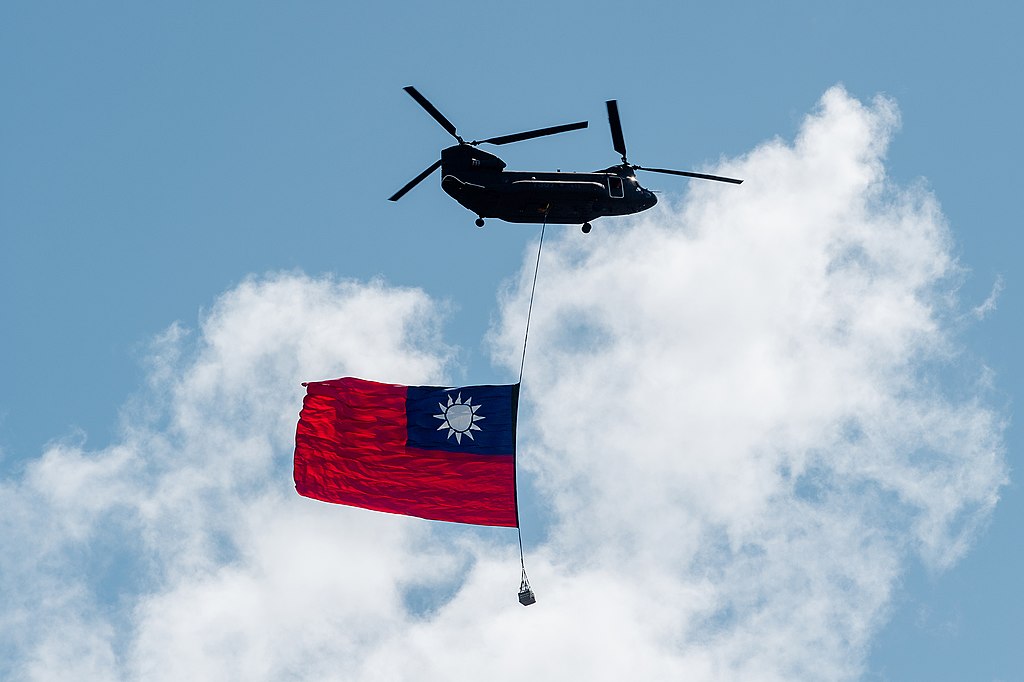
Taiwan’s government has strongly condemned China’s latest claims regarding United Nations Resolution 2758, saying Beijing is deliberately twisting its meaning to justify potential future aggression. Resolution 2758, passed in 1971, recognized the People’s Republic of China as the representative of China at the U.N., but it made no reference to Taiwan. Despite this, China insists the resolution provides international legal support for its sovereignty over the island.
Beijing’s foreign ministry issued a lengthy statement this week, arguing that Taiwan’s government — which retreated to the island in 1949 after losing the civil war to Mao Zedong’s communists — has no legitimacy. It described the Republic of China’s leadership at the time as a “reactionary clique” and reaffirmed that Taiwan is an inseparable part of “one China.” The statement warned that any attempt to question Resolution 2758 challenges both China’s sovereignty and the U.N.’s authority.
Taiwan firmly rejected this interpretation. Its foreign ministry said China is “deliberately misleading the international community” in order to “create a legal basis for altering the status quo across the Taiwan Strait and for future military assault against Taiwan.” Taipei emphasized that only Taiwan’s democratically elected government can represent its 23 million people in the U.N. and other international forums.
The dispute has drawn international attention, particularly from the United States. The U.S. State Department criticized Beijing’s “intentional mischaracterization” of the resolution, stressing that it does not prevent any country from engaging with Taiwan. Washington has accused China of using coercive tactics to isolate the island diplomatically.
China has not renounced the use of force to achieve unification and continues to send military aircraft and vessels near Taiwan, escalating tensions in the region. While Beijing views Taiwan as a breakaway province, Taipei maintains it is a self-governing democracy never ruled by the People’s Republic of China.