


 Most Americans Oppose Election Betting on Prediction Markets, Poll Finds
  Zelenskiy Seeks New US Talks to Revive Ukraine-Russia Peace Negotiations
  US Supreme Court Denies Release of Anti-ICE Activist Kyle Wagner
  Pakistan Declares Emergency in Khyber Pakhtunkhwa, Suspends Imran Khan’s PTI Government
  NATO Commander Warns Russia of Devastating Response to Attack
  Trump Denies China, Russia Are Helping Iran in War
  Jordan Bardella Antisemitism Allegations Threaten Le Pen’s Campaign
  MI5 Warns of Rising Iran, Russia Threats and AI Bioweapon Risks
  US Senate Midterms 2026: Key Races That Could Flip Control
  Mahmoud Abbas Postpones Palestinian Elections to September 2027
  Trump Denies Russia and China Are Helping Iran in U.S. Conflict
  Trump Announces Russia-Ukraine Energy Ceasefire as Zelenskiy Awaits Details
  Flavio Bolsonaro Backs Brazil’s 40-Hour Workweek Reform Ahead of Runoff
  Zelenskiy Says Ukraine Received No Warning Before Russian Missile Attack
  Greenland Lawmakers Back Trump Security Deal Despite Economic Concerns
  US Authorities Raid Ilhan Omar’s Home Amid Immigration Fraud Probe
  Kim Jong Un Showcases ICBM Ahead of Possible Trump Meeting


 Add as a preferred source on Google
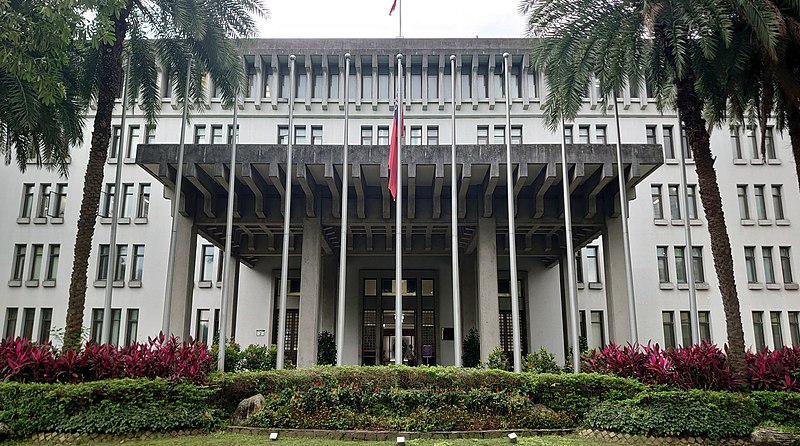
Over the weekend, Taiwan’s foreign ministry thanked the United States for taking action to keep the peace and maintain security in the Strait and in the region. This comes amidst tensions with China and its attempts to assert power in the region through its military drills.
The Taiwanese foreign ministry issued a statement Saturday, saying China’s attempt to intimidate through military and economic means only strengthened those who support democracy.
This follows the comments by President Tsai Ing-wen Thursday last week, saying that China’s threats of force remain, but have since scaled down.
US Indo-Pacific Commander Kurt Campbell said Friday last week that China “overreacted” to the visit by House Speaker Nancy Pelosi to the island nation. Pelosi’s visit led to China conducting military drills around the island in response.
“Our sincere appreciation to Kurt Campbell, coordinator for Indo-Pacific affairs, for the unequivocal remarks. We’re pleased to hear peace in Taiwan Strait recognized as vital to the region’s common interest & see the US support for Taiwan in economy, trade & defense,” tweeted the ministry.
Both Taiwan and the US regard the Taiwan Strait as an international waterway, rebuffing the sovereignty claims by China over the body of water. China claims Taiwan and the Strait as part of its territory and has not ruled out taking the island by force.
Taiwan’s defense ministry also said Saturday that 13 Chinese air force planes made an incursion on the median line of the Strait. Taiwan has repeatedly rejected territorial claims by China over the island.
Following Pelosi’s visit, foreign minister Joseph Wu said Friday last week that more foreign delegations are “welcome” to visit the island and that Taiwan remains undeterred by China’s threats on foreign officials who intend to visit.
Speaking with Voice of America, Wu also criticized the Chinese military for conducting military drills during Pelosi’s visit, accusing Beijing of “wrecking the status quo” in the Taiwan Strait.
Wu stressed that Taiwan would continue conducting its own foreign policy.
“We need to remember that if we are doing the right things, the Chinese anger should not stop us from doing so,” said Wu. “They can always find excuses to threaten Taiwan militarily.”







