


 Trump Defends Russian Diesel Deal Amid US Sanctions Backlash
  Trump Sanctions International Criminal Court, Sparking EU Backlash
  Djibouti Migrant Boat Capsizes, Killing 139 and Leaving 84 Missing
  UK Finance Minister Healey Calls for Fiscal Discipline Amid Global Risks
  Greenland Lawmakers Back Trump Security Deal Despite Economic Concerns
  Houthis Warn Saudi Airports After Deadly Riyadh Attack
  Trump Denies Russia and China Are Helping Iran in U.S. Conflict
  North Korea Fires Ballistic Missiles Amid Rising Tensions With South Korea
  Zelenskiy Offers Russia Energy Truce Amid Trump Pressure
  India Voter List Protests Reach Supreme Court as Opposition Demands Election Chief's Resignation
  Most Americans Oppose Election Betting on Prediction Markets, Poll Finds
  Trump Announces Russia-Ukraine Energy Ceasefire as Zelenskiy Awaits Details
  Elon Musk Donates $366 Million to 2026 US Midterms
  US Judge Blocks Trump Administration’s Taxpayer-Funded Political Ads
  NATO Commander Warns Russia of Devastating Response to Attack
  US Condemns China Sanctions on Taiwan Allies Belize and Paraguay


 Add as a preferred source on Google
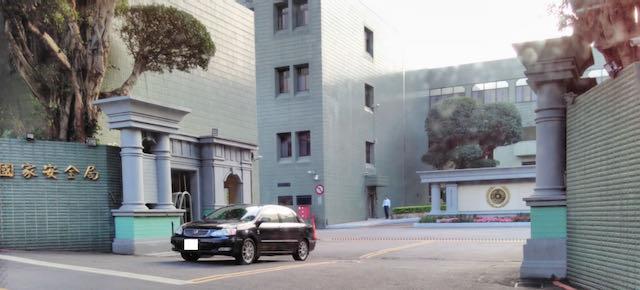
A top Taiwanese security official said Chinese President Xi Jinping would be viewed as a “sinner” by all Chinese people should he order an invasion. The warning comes amidst tensions in the region between the island nation and Beijing.
Speaking to reporters on the sidelines of the Taiwanese parliament Thursday, National Security Bureau chief Chen Ming-tong said Xi would face repercussions in the event that he orders an invasion of Taiwan. Chen added that China would be isolated from the world and also face international sanctions should Xi follow through with an invasion.
“There is no possibility of winning in using force to attack Taiwan,” said Chen.
“Xi would forfeit the so-called great rejuvenation of the Chinese people and become a sinner of the Chinese people,” added Chen, referring to those who are ethnically Chinese rather than Chinese by nationality. “It’s very clear that the two sides should respect each other and develop separately, which is the way that will bring happiness to the people.”
Chen’s warning follows the recent National Congress of the Communist Party of China, where Xi said that it was up to the Chinese people to resolve the issue surrounding Taiwan and that China would never rule out using force to take over Taiwan, even as Beijing looks for a peaceful resolution.
China claims Taiwan as its territory and has since increased military activity close to the island in recent months. Taiwan has repeatedly rejected China’s claims, and its democratic government has maintained that only its people have the right to determine Taiwan’s future.
US-Taiwan Business Council President Rupert Hammond-Chambers said Wednesday that Washington is considering a plan to jointly produce weapons with Taiwan. The plan would speed up arms transfers in order to boost the island nation’s defense capabilities against China.
Since 2017, US Presidents have approved over $20 billion in arms sales to Taiwan since Beijing increased its pressure campaign on the Taiwanese government. However, both Taiwan and US Congress warned of delivery delays due to supply chain difficulties caused by the increased demand for certain systems in the war in Ukraine.
Hammond-Chambers said it had yet to be determined which weapons would be part of the initiative but that the focus would likely be on providing Taiwan with more munitions and missile technology.







