


 Trump Sanctions International Criminal Court, Sparking EU Backlash
  Trump Announces Russia-Ukraine Energy Ceasefire as Zelenskiy Awaits Details
  NATO Commander Warns Russia of Devastating Response to Attack
  US Condemns China Sanctions on Taiwan Allies Belize and Paraguay
  European Auto Stocks Rise as EU-China Trade Deal Targets Hybrid Imports
  Trump Announces Russia-Ukraine Energy Ceasefire Amid U.S. Pressure on Kyiv
  Houthis Warn Saudi Airports After Deadly Riyadh Attack
  US Authorities Raid Ilhan Omar’s Home Amid Immigration Fraud Probe
  Greenland Lawmakers Back Trump Security Deal Despite Economic Concerns
  North Korea Fires Ballistic Missiles as Tensions With South Korea Escalate
  Brazil Election: Lula and Bolsonaro Rally Ahead of October 25 Runoff
  Mahmoud Abbas Postpones Palestinian Elections to September 2027
  Panama Declares Emergency After 7.7 Earthquake Triggers 200 Aftershocks
  Trump Calls for Zelenskyy Replacement Amid Russian Diesel Deal
  UK Finance Minister Healey Calls for Fiscal Discipline Amid Global Risks
  Russian Strikes Kill Six in Ukraine, Including Three in Kharkiv
  US Judge Blocks Trump Administration’s Taxpayer-Funded Political Ads


 Add as a preferred source on Google
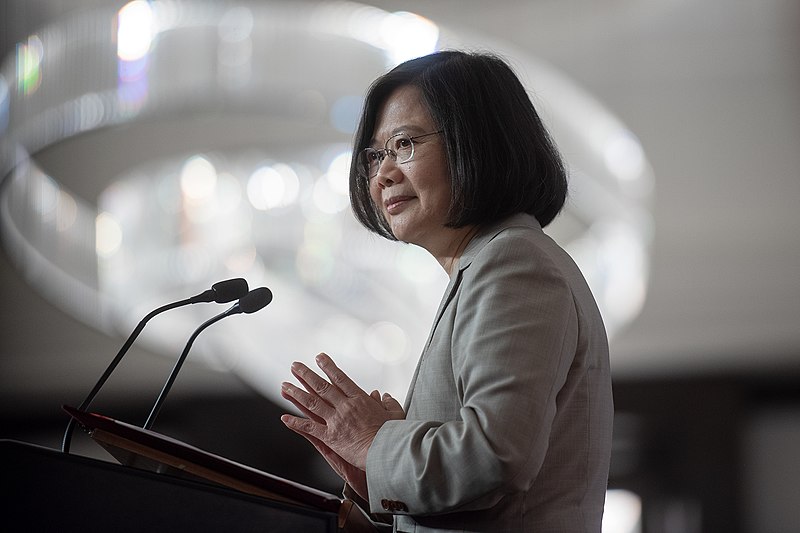
The island nation of Taiwan has reiterated its refusal to back down on its sovereignty. Taiwan has also stressed that it will not compromise its freedom and democracy amidst continued pressure from China.
The Taiwanese presidential office issued a statement Sunday, stressing that the island nation will not surrender its sovereignty to Beijing and that it will not compromise on its freedom and democracy. The office also noted that the Taiwanese people reject China’s proposal of a “one country, two systems” dynamic.
The statement also said that maintaining peace and stability in the Taiwan Strait and the region is the shared responsibility of both China and Taiwan and that military force was not an option. The island’s Mainland Affairs Council also echoed the statement, saying that “Taiwan has never been a part of the People’s Republic of China.”
“Only by respecting the Taiwanese’s insistence on democracy and freedom can both sides of the Taiwan Strait resume friendly interactions,” said the island’s Democratic Progressive Party.
“Safeguarding the Republic of China, protecting democracy and freedom, and maintaining cross-strait and regional peace are the three most important missions of the KMT,” said KMT party chairman Eric Chu, referring to Taiwan’s official name and the initials of the Chinese Nationalist Party.
The statement by the presidential office follows the speech given by Chinese President Xi Jinping during the opening of the Communist Party Congress in Beijing that the Chinese people should be the ones to resolve the issue of Taiwan. Xi also said that Beijing will not rule out using force to take the democratically-governed island nation.
China ramped up its military activities near the island following the visit of US House Speaker Nancy Pelosi back in August. Taiwan’s National Security Bureau Director-General Chen Ming-Tong told parliament last week that Beijing was monitoring the war in Ukraine to develop “hybrid warfare” strategies in the event that it invades the island.
“This year, the communist military has borrowed from the experience of the Russia-Ukraine war to develop ‘hybrid warfare’ against Taiwan and strengthen its combat training and preparation against strong enemies,” Chen told lawmakers.
Chen added that China has expanded its “grey zone warfare” tactics against Taiwan, such as using drones that fly near Taiwan-controlled islands and into the island’s airspace.







