


 Jameson Lopp Downplays AI Threat to Bitcoin Cryptography
  Amazon in Talks to Acquire AI Startup Decart for $7 Billion
  Apple Supplier Luxshare Faces US Patent Probe, Sees Limited Impact
  Solidigm Taps Goldman, Morgan Stanley for $10 Billion US IPO
  Airbus Tests Valkyrie Combat Drone in Europe for Eurofighter Integration
  US Suspends Microsoft, Adobe From Green Card Program
  Syndax Stock Drops 15% After Axatilimab Trial Failure
  Epic Games Delays Disney Shooter, Shifts to AI-First Development
  Ethereum Foundation-Linked Wallets Move $11.13M in ETH to Kraken
  OpenAI Revenue Hits $50 Billion, Below Earlier $70 Billion Estimate
  European Auto Stocks Rise as EU-China Trade Deal Targets Hybrid Imports
  OpenAI Annualized Revenue Hits $50 Billion, Below Earlier Estimates
  Albertsons Seeks $9.3 Billion From Kroger Over Failed Merger
  Moonshot AI Executives Seek Settlement Ahead of Hong Kong IPO
  Meta Launches Muse Wonder AI Models, Shares Rise 3.7%


 Add as a preferred source on Google
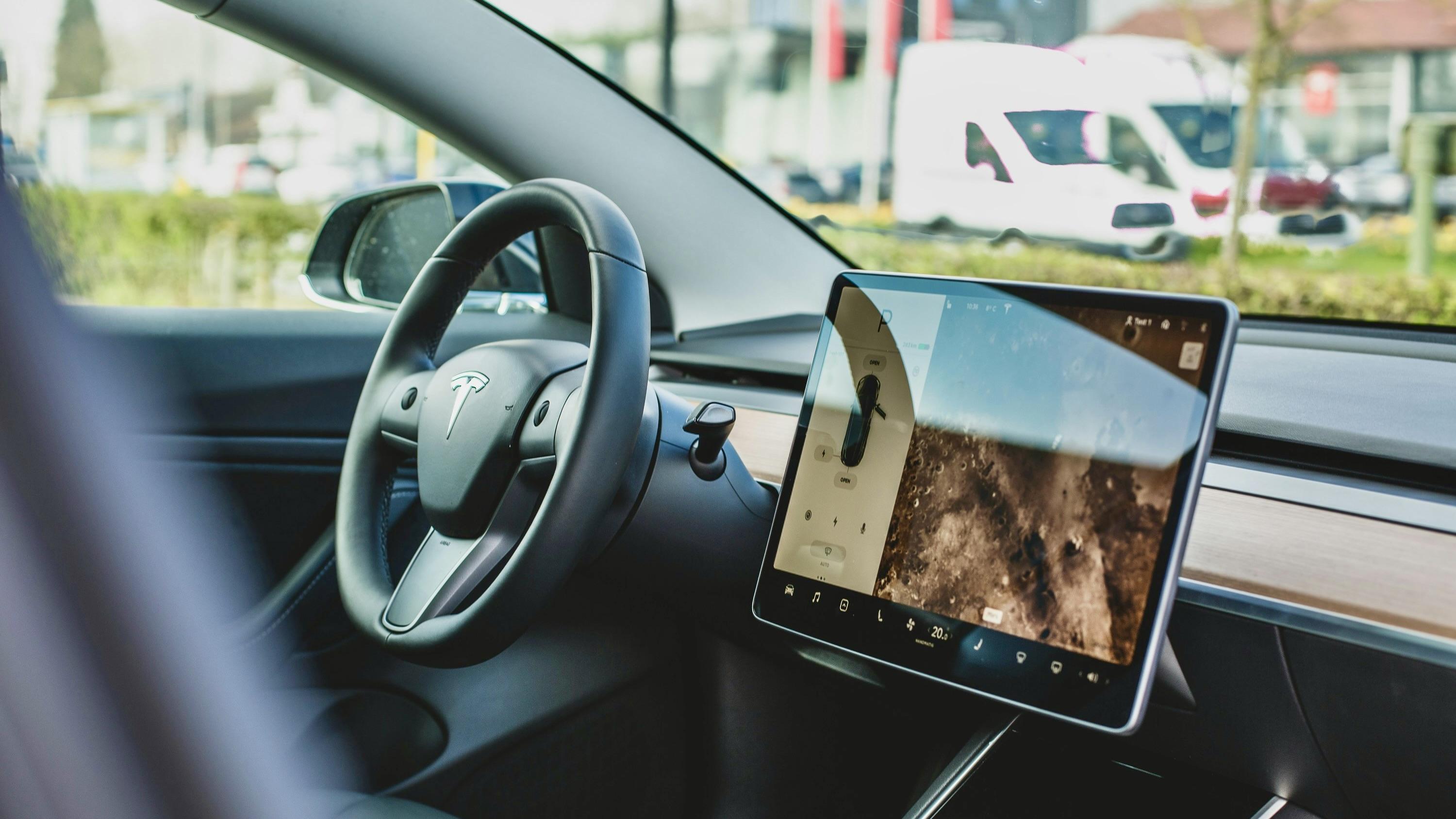
Tesla employees allege Elon Musk optimized routes for VIPs and influencers, creating biased FSD performance. "It felt dishonest," they said.
Insiders at Tesla believe that the CEO, Elon Musk, optimized the routes that he drives and the routes that Tesla FSD content writers take, which would explain why the system's efficacity is inconsistent.
Optimized for Elon Musk
The self-driving initiative at Tesla, particularly its Full Self-Driving (FSD) Beta (now "supervised") system, has been receiving high praise from Elon Musk for quite some time. He frequently urges folks to give it a go or at least see the amazing demonstrations of it online.
While Electrek has long suspected that Tesla mostly used West Coast highways for training its self-driving neural nets—the reason for the somewhat better performance—a new study asserts that this is far from the case.
Today, Business Insider published a fresh allegation. The report is based on interviews with current and former Tesla employees who assert that Tesla has been fine-tuning its self-driving neural networks to follow the routes followed by CEO Elon Musk and Tesla influencers who provide FSD content.
VIP Routes for Influencers
Data annotators, who examine footage from Tesla vehicles to train the company's autonomous neural networks, allegedly were assigned the responsibility of concentrating on two groups: "Tesla CEO Elon Musk and a select set of "VIP" drivers."
Several annotators who spoke with BI verified that they were given the assignment to explicitly work on route surrounding locations of Tesla, SpaceX, and Twitter, in addition to a home that had been owned by Musk in the past.
Tesla staff insisted that this would surely make Musk's experience with Tesla FSD greater than that of the typical Tesla driver.
Commented a former employee of Tesla: "It seemed like we were purposely making his car better to make Autopilot look different than it was. It felt dishonest."
According to the research, Tesla also paid close attention to the paths that Tesla FSD influencers took. It was previously known that Tesla uses the same pathways that prominent content makers use when posting FSD Beta films to transfer internal test vehicles.
Employee Concerns Over Bias
Data annotators supposedly also prioritized those, according to the report: "These videos do not go unnoticed by Tesla staff. These drivers are internally referred to as "VIP" users and their data is at times put in VIP queues, according to the workers."
Some workers have hypothesized that this is because such content creators are testing the system's limitations; as a result, it would be prudent to train the system's neural nets to handle such scenarios; yet, this would also give those creators an advantage over the typical Tesla FSD Beta driver.







