Tesla has increased lease prices for all its electric vehicles in the United States following the expiration of a $7,500 federal tax credit that had been boosting EV sales. According to updates on the company’s official website on Wednesday, the adjustments reflect the loss of the incentive, which had been widely applied to make leasing more attractive for customers.
The U.S. government’s clean energy initiative previously allowed Tesla and other electric vehicle makers to pass along the tax credit to consumers through reduced lease costs. This significantly drove up demand as buyers found EVs more affordable. Now that the credit has expired, Tesla is recalibrating its pricing strategy to reflect the change, resulting in higher monthly lease payments across its vehicle lineup, including the popular Model 3, Model Y, Model S, and Model X.
Tesla’s decision comes at a time when competition in the EV market is intensifying. Automakers like Ford, General Motors, and Hyundai have also benefited from government-backed incentives to stimulate electric vehicle adoption. The removal of such credits raises questions about how manufacturers will maintain sales momentum, especially as consumers weigh the total cost of ownership against traditional gas-powered vehicles.
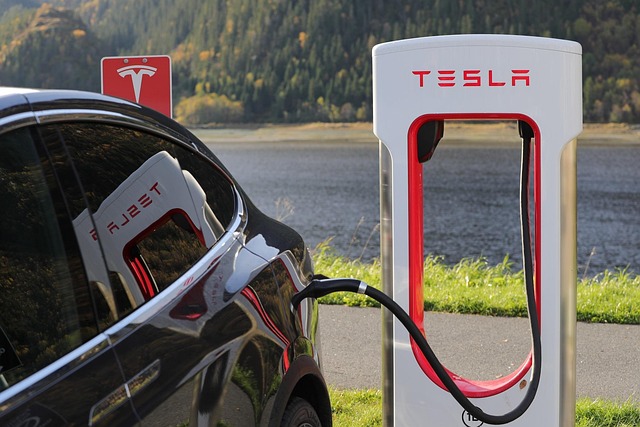
The lease price hike could influence demand in the short term, but Tesla continues to rely on its strong brand recognition, expanding Supercharger network, and ongoing software innovations to maintain customer interest. Analysts suggest that while higher lease costs may slow adoption slightly, broader EV growth will continue as long as automakers and policymakers align on strategies to push clean transportation forward.
For potential buyers, the change highlights the importance of monitoring federal incentives and Tesla’s pricing updates closely, as these factors can significantly impact affordability. As the EV market matures, shifts in government policy and manufacturer strategies will play a crucial role in shaping the accessibility and appeal of electric cars.