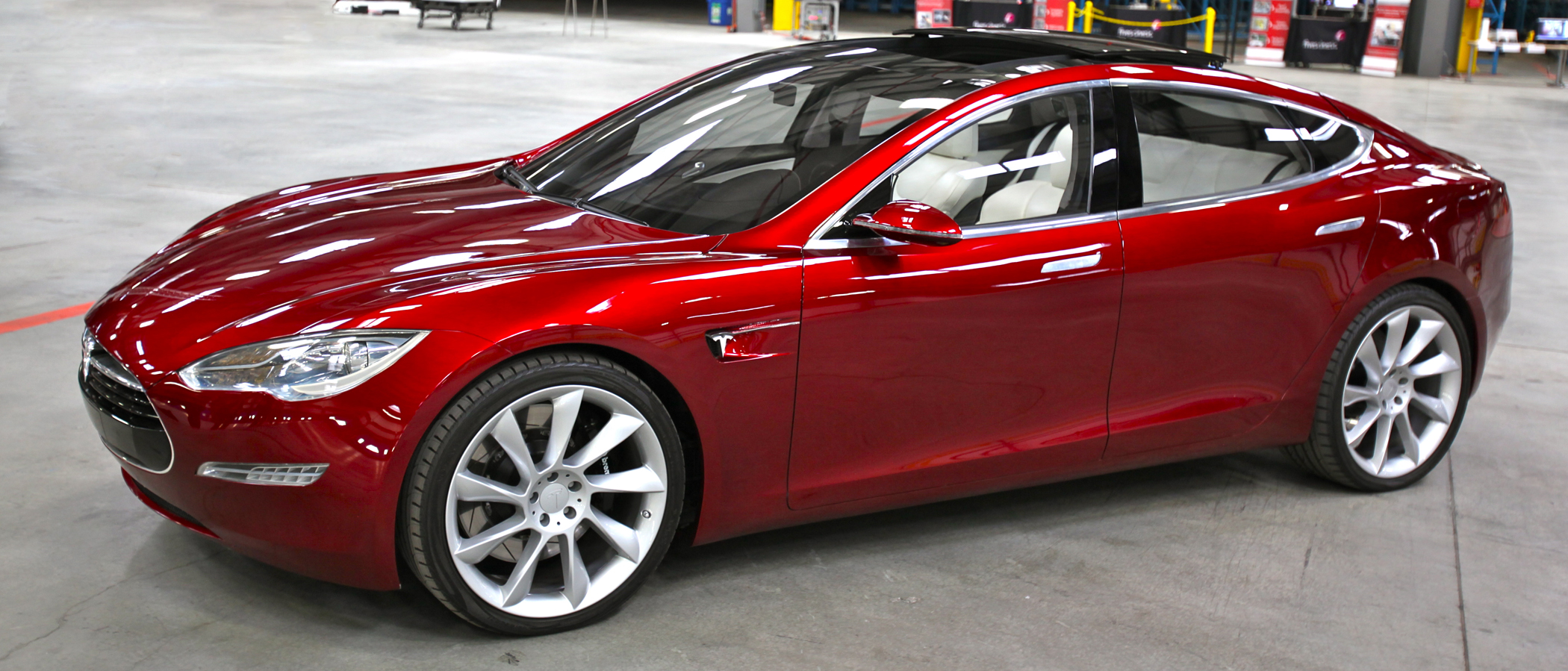
Although it’s not the most important thing in the world, there are still a lot of drivers out there who put a lot of stock on the speed and acceleration of the vehicle they want. This is something that Tesla clearly understands, which is why they are making super fast electric vehicles. As it happens, the company recently broke world records with its Model S P100D, which is officially the fastest commercial vehicle on the planet.
Thanks to a new update to its software and the car’s onboard Ludicrous Mode, the company’s flagship vehicle is now capable of accelerating from 0 to 60 mph in just 2.275 seconds, Engadget reports. This new development was showcased during a test drive that the magazine Motor Trend conducted. This is the first time that a production vehicle has ever surpassed the 2.3 second acceleration record in the publication’s history of testing.
When the Ludicrous Mode feature was introduced, Tesla’s initial promise was that the P100D would be able to achieve 2.5 seconds and it has successfully kept that promise. Back in January, the company surpassed that promise by pushing the car to achieve 2.389 seconds of acceleration. In less than a month, it broke that record yet again.
As BGR notes, this development is absolutely insane. The concept of a vehicle, let alone a purely electric one that can accelerate beyond the 2.3-second mark is practically considered overkill. On the other hand, it’s also likely to whet the appetite of supercar enthusiasts.
Frank Markus and Brian Brantley at Motor Trend described the experience of blasting through a world record in acceleration in the piece they wrote. The pair also detailed how the P100D kept up with the Porsche 911 Turbo S that they paired it with.
“Launching a Model S P100D (weighing 5,062 with gear and driver) in full-on Ludicrous Easter-egg mode snaps your body in a manner that is utterly impossible to replicate in any other street-legal production car on normal tires and dry asphalt at a mid-$100,000 price point,” the article reads.