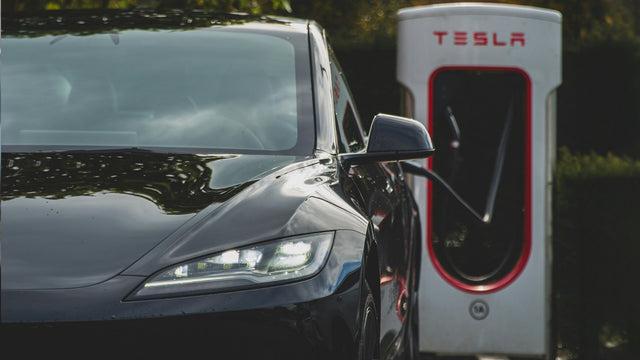
Tesla Inc. (NASDAQ: TSLA) saw its European sales slump sharply in April, with new vehicle registrations plunging 49% year-on-year to 7,261 units, down from 14,228, according to data from the European Automobile Manufacturers’ Association (ACEA). The electric vehicle (EV) maker’s market share in the region nearly halved to 0.7% from 1.3% last year.
The steep decline came despite Europe’s battery EV market growing 34.1% year-on-year to 145,341 units in April, indicating that Tesla is losing ground to competitors. Overall new car registrations across the EU, UK, and EFTA nations dropped slightly to 1.07 million from 1.08 million.
Tesla is under pressure from both aging models and increasing competition from European automakers and Chinese brands. China’s BYD (SZ:002594) notably surpassed Tesla in European EV sales for the first time in April. Tesla’s best-selling Model Y is due for an update, as consumers shift preferences toward hybrids amid economic uncertainty and rising costs.
The drop in sales also reflects ongoing backlash against CEO Elon Musk, whose political activities have sparked protests, boycotts, and even vandalism at Tesla facilities across Europe and the U.S. Despite Musk’s claims of recovering sales in other regions, the European market remains a significant challenge.
Tesla is also facing stiff competition in China, the world’s largest EV market, where a fierce price war is pressuring margins. The company’s future performance may hinge on its ability to refresh its lineup and rebuild consumer trust in politically sensitive regions.
With rising EV demand and growing competition, Tesla’s position as a market leader is being tested more than ever in Europe.