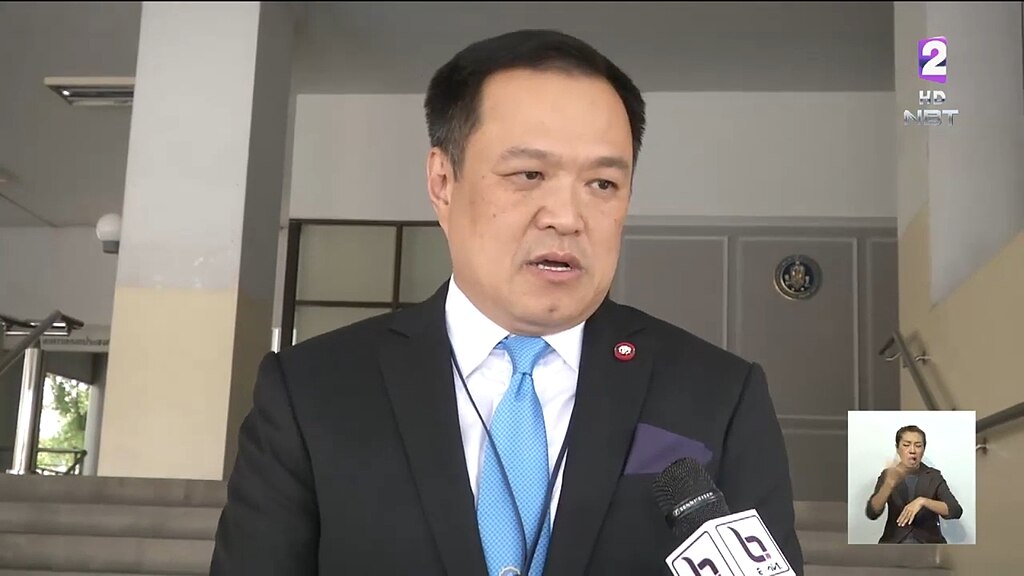
Thailand’s Prime Minister Anutin Charnvirakul has presented his government’s policy agenda to parliament, pledging swift action to revive the struggling economy. Facing U.S. tariffs, high household debt, weak domestic consumption, and a surging baht, Anutin outlined measures aimed at lowering living costs, supporting businesses, and boosting tourism.
With limited time and resources—given that the current budget was not prepared by his administration and his government holds only minority status—Anutin emphasized the urgency of tackling immediate challenges. He announced relief for individuals with debts under 100,000 baht (about $3,103) and promised liquidity injections of up to 1 million baht for small businesses to keep them afloat.
To ease consumer burdens, the government also introduced a 47 billion baht ($1.46 billion) co-payment scheme, under which it will subsidize up to 60% of the cost of select food and essential goods for eligible Thai citizens. These measures are designed to stimulate spending and support household purchasing power at a time when economic growth is lagging behind regional peers.
Beyond the economy, Anutin’s agenda includes promoting peace with Cambodia, cracking down on illegal gambling, and enhancing disaster preparedness through advanced warning systems. He stressed that these steps are crucial for stability and resilience as Thailand navigates mounting domestic and external pressures.
Anutin faces a narrow window to implement reforms, with parliament set to be dissolved by the end of January ahead of a general election expected in March or April. His approval rating has risen, with support climbing to 20.4% from 9.6%, though he still trails opposition leader Natthaphong Ruengpanyawut, who holds 22.8% support, according to a recent NIDA survey.
Thailand’s economy grew only 2.5% in 2024, and the state planning agency forecasts growth of just 1.8%–2.3% in 2025, with a slowdown anticipated in the second half due to trade challenges.