


 Nvidia-Groq AI Chip Deal Faces U.S. Antitrust Probe
  Rodrigo Duterte Makes First Public Appearance at ICC in 18 Months
  Australia Defends Social Media Algorithm Law Amid US Concerns
  Trump’s Arlington Arch Project Faces New Court Restrictions
  New Zealand Labour Backs Social Media Ban for Under-16s
  What is Zionism? The different meanings of a contested term
  New Zealand Moves to Ban Social Media for Children Under 16
  Who should own the knowledge that underpins AI technology?
  US Bans Canadian Alcohol, Motorcycles as Trade War Escalates
  CK Hutchison Seeks $1.5 Billion From Panama Over Canal Ports
  Kim Jong Un Pledges Deeper Russia Cooperation
  Judge Blocks Trump Rule Limiting Foreign Student Visas
  DOJ Will Investigate AI-Related Crimes, Attorney General Blanche Says
  Ukraine Races to Counter Russia’s Faster Jet-Powered Drones
  U.S. Imposes New Visa Restrictions Over South Africa Policies
  Sun Pharma Wins U.S. Appeal in Pfizer Lipitor Antitrust Case
  Judge Rejects Minnesota Bid to Force ICE Agent Extradition


 Add as a preferred source on Google
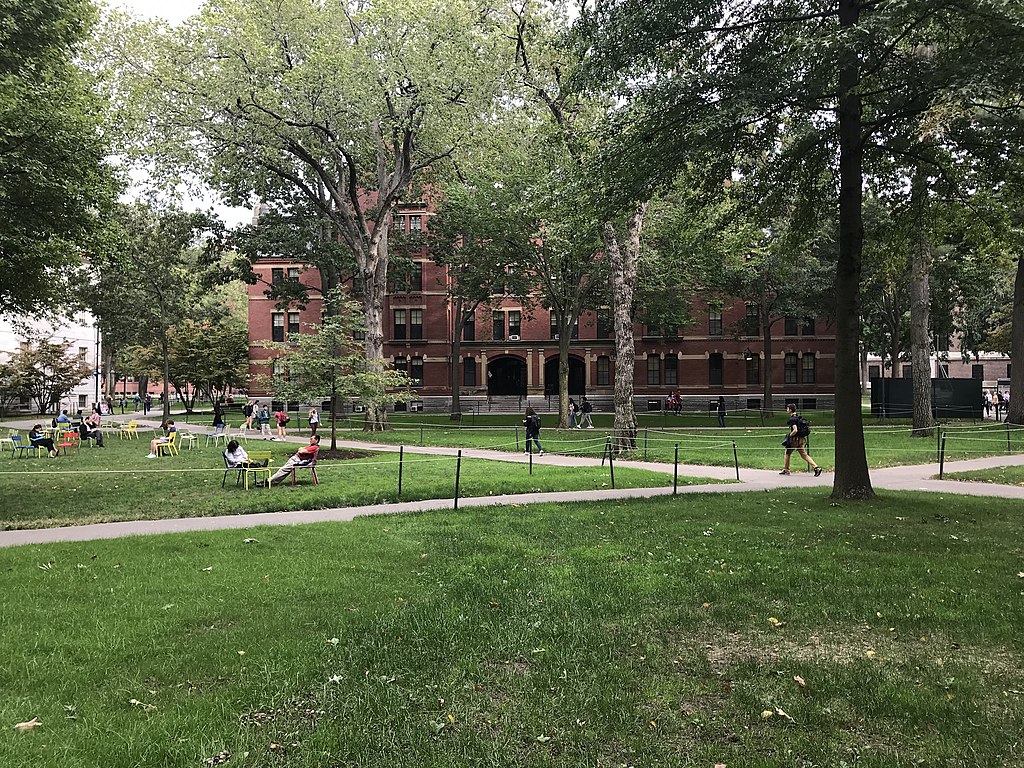
Harvard University’s longstanding ties to China have come under fire as the Trump administration accuses the institution of enabling Chinese Communist Party (CCP) influence. Citing alleged antisemitism and collaboration with Beijing, the administration moved to revoke Harvard’s ability to enroll foreign students—nearly 20% of whom were Chinese nationals in 2024. A federal judge has temporarily blocked the order after Harvard filed a lawsuit.
The White House claims Harvard ignored CCP-linked harassment and failed to safeguard national security. Critics, including former Harvard President Larry Summers, say the move undermines U.S. global leadership in education. Harvard maintains the ban punishes free speech and reflects unconstitutional retaliation.
Republican lawmakers have long raised concerns that China uses elite institutions like Harvard to access sensitive technologies and suppress dissent. Harvard’s engagements with China, including public health training provided to the Xinjiang Production and Construction Corps (XPCC)—sanctioned by the U.S. for human rights abuses—have intensified scrutiny.
In 2014, Harvard received a $350 million donation from Hong Kong businessman Ronnie Chan, linked to the China-United States Exchange Foundation, a registered foreign principal under U.S. law. Separately, former Harvard professor Charles Lieber was convicted in 2021 for lying about Chinese affiliations under the Trump-era China Initiative, which was later discontinued under Biden due to concerns about racial profiling.
Incidents like a Chinese exchange student physically removing a protester at a 2024 Harvard event featuring China’s ambassador have further fueled the controversy. In April, the Education Department demanded records on Harvard’s foreign funding over discrepancies in reported donations.
Human rights expert Yaqiu Wang criticized the broad ban on foreign students, saying it harms U.S. interests. While national security concerns are valid, she argues the response is excessive and counterproductive.







